

This article may contain references to products or services from one or more of our advertisers or partners. We may receive compensation when you click on links to those products or services. Nonetheless, our opinions are our own.
The information presented in this article is accurate to the best of our knowledge at the time of publication. However, information is subject to change, and no guarantees are made about the continued accuracy or completeness of this content after its publication date.

Few things may feel as frustrating as getting a credit card application denied, especially when you thought your application was strong. Whether the reason is a low credit score, insufficient income, or a limited credit history, the outcome can feel like an outright rejection of your financial standing. But in reality, credit card issuers use a range of strict criteria to assess risk, and even small issues in your profile can lead to a denial.
A denied application doesn’t mean you’re out of options. In fact, it’s often a helpful signal to take a closer look at your finances and credit behavior. Instead of rushing to try again, it’s worth viewing this situation as a chance to pause, reassess, and decide your next move with more clarity.
Here are several practical steps you can take after a credit card denial—each designed to help you recover, rebuild, and make smarter decisions going forward:
1) Avoid Reapplying Too Soon
It’s tempting to submit a new application right away, especially if you think another card might have more lenient requirements. But rushing into another credit check could actually work against you. Every hard inquiry made by a lender can lower your credit score slightly, and multiple inquiries in a short span may raise red flags. Give yourself time to understand what went wrong, address it where you can, and approach your next application with a stronger foundation.
2) Research More Appropriate Cards to Apply For
Not every credit card is designed for every type of borrower, so it pays to look closely at the criteria before applying again. Take time to identify card options that match your current financial profile, as this will improve your chances of approval and avoid unnecessary damage to your credit score.
Some cards cater specifically to those with limited credit history, lower income, or past credit issues. Others may favor applicants with existing relationships at the same bank or offer easier approval through digital-only platforms. If this is your first time applying for a credit card at all, then you’ll definitely want to skip the premium cards and look up the best credit card in the Philippines for starters or a credit line program instead.
3) Look into Alternative Sources of Credit
Speaking of credit options, if you need access to credit, you don’t always have to get it by applying for another traditional credit card right away. There are other options that might be more suited to your current needs, especially if you’re working with a thin or recovering credit file.
A virtual credit line, for example, can give you more control over how much you borrow and when, with the added benefit of helping you build or improve your credit history when used responsibly. Look into a virtual credit line option like Maya Easy Credit from reputable digital bank Maya, for example, you can borrow up to PHP 30,000 in the most hassle-free way. From there, it shouldn’t be too hard to get the breathing room you need while working on your overall financial health.
4) Review the Denial Letter
Buried in the disappointment of a denied application is a key document you shouldn’t ignore. The letter or notice you receive from the issuer doesn’t just exist to deliver the bad news—it also tells you exactly why they rejected your application.
The decision may have been based on your credit score, income level, or outstanding debts; in all of these cases, the details matter. You need to understand the reasons behind the rejection if you want to move forward strategically rather than guess your way through another application.
5) Check Your Credit Report for Errors or Fraud
Sometimes, the issue with a denied credit card app isn’t your financial habits—it’s the information lenders are using to judge them. Mistakes on your credit report can drag down your score or make you appear riskier than you actually are.
You’re entitled to a free copy of your report if you’ve been denied credit, so take advantage of that and review it closely. It’s also possible to check your credit scores through platforms like TransUnion and Lista. In any case, be exhaustive about reviewing your credit report; watch out for incorrect account statuses, unfamiliar credit lines, or duplicate entries. Disputing inaccuracies and resolving signs of identity theft can lead to meaningful improvements in your creditworthiness.
6) Try Reaching Out to the Issuer
Not all denials are final. In some cases, a phone call to the credit card issuer’s customer service or reconsideration line can open the door to a second look. If your financial situation has recently changed for the better—say you’ve scored a new job or paid off a loan—then it’s worth mentioning.
You may also be able to clarify any incomplete or misunderstood information from your application. While there’s no guarantee, asking for a manual review may lead to a different outcome than the automated process provided.
7) Work on Strengthening Your Credit Profile
Did your credit score play a role in the denial? Then focusing on gradual, consistent improvements is your next logical step. Start by making on-time payments across all your accounts and reducing outstanding balances. Keep your credit utilization low and avoid taking on new debt unless absolutely necessary. Over time, these actions will signal to lenders that you can manage credit responsibly; that makes you a more attractive borrower in future applications.
Being denied a credit card isn’t the end of the road, but a signal worth listening to. With the right steps, you can turn that moment into a chance to build a stronger financial future. Use it as an opportunity to apply with more confidence next time.
Voted "Best Overall Budgeting App" by Forbes and WSJ
Monarch Money helps you budget, track spending, set goals, and plan your financial future—all in one app.
Get 50% OFF your first year with code MONARCHVIP


Recommended Reads
- How to Decide: Quitting vs. Being Fired; Is It Better to Quit or Be Fired? Career
- Loans Like Upstart: Alternatives Worth Checking Out Beginner's Guides
- How to Decide Between SoFi vs Acorns for Investing Investing
- How Does a Pay Check or Pay Stub Calculator Work in California? Career
- How to Choose: Priceline vs CheapOair for Best Airfare Deals Travel
- Top Link Building Tactics for 2023 Small Business
- Earnin vs MoneyLion Comparison: Guide to Which App is Best Banking
- Home Equity Loan Pros and Cons: Smart Borrowing or Risky Move? Investing
- Example of a Bank Statement: Why It Matters for Your Finances Banking
- Are Your Home Renovations a Sound Investment? Mortgage

Reviewed and edited by Albert Fang.
See a typo or want to suggest an edit/revision to the content? Use the contact us form to provide feedback.
At FangWallet, we value editorial integrity and open collaboration in curating quality content for readers to enjoy. Much appreciated for the assist.
Did you like our article and find it insightful? We encourage sharing the article link with family and friends to benefit as well - better yet, sharing on social media. Thank you for the support! 🍉
Article Title: 7 Things You Can Do After Getting Your Credit Card Application Denied
https://fangwallet.com/2026/02/02/7-things-you-can-do-after-getting-your-credit-card-application-denied/The FangWallet Promise
FangWallet is an editorially independent resource - founded on breaking down challenging financial concepts for anyone to understand since 2014. While we adhere to editorial integrity, note that this post may contain references to products from our partners.
The FangWallet promise is always to have your best interest in mind and be transparent and honest about the financial picture.
Become an Insider
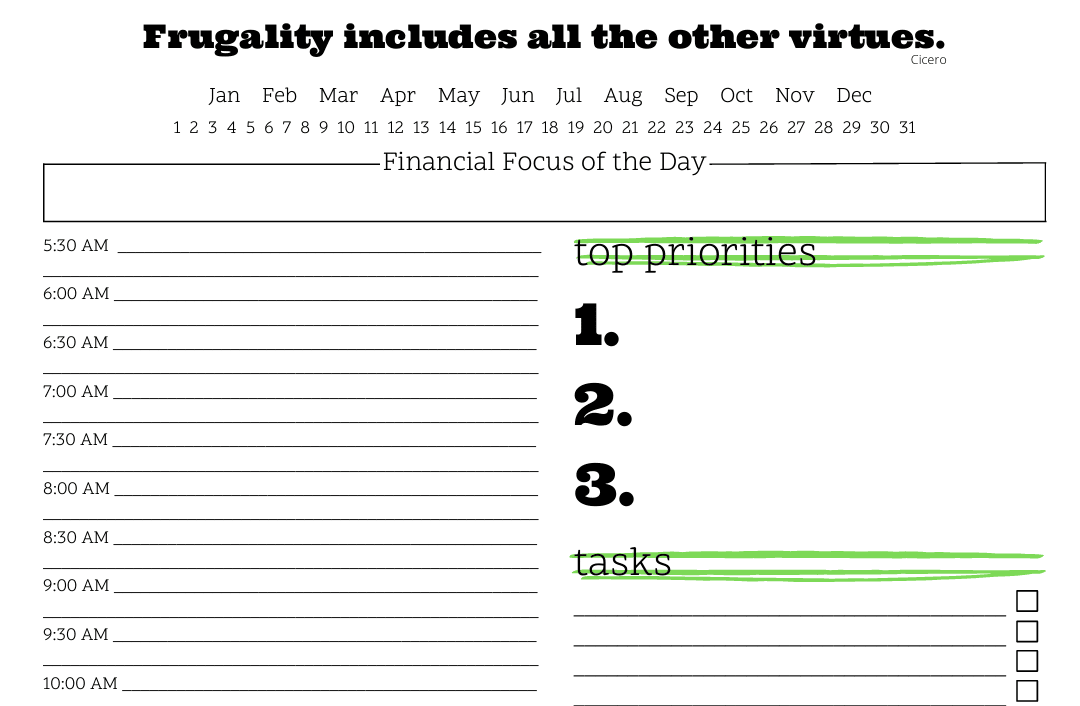
Subscribe to get a free daily budget planner printable to help get your money on track!
Make passive money the right way. No spam.
Editorial Disclaimer: The editorial content on this page is not provided by any of the companies mentioned. The opinions expressed here are the author's alone.
The content of this website is for informational purposes only and does not represent investment advice, or an offer or solicitation to buy or sell any security, investment, or product. Investors are encouraged to do their own due diligence, and, if necessary, consult professional advising before making any investment decisions. Investing involves a high degree of risk, and financial losses may occur including the potential loss of principal.
Source Citation References:
+ Inspo
There are no additional citations or references to note for this article at this time.