
This article may contain references to products or services from one or more of our advertisers or partners. We may receive compensation when you click on links to those products or services. Nonetheless, our opinions are our own.
The information presented in this article is accurate to the best of our knowledge at the time of publication. However, information is subject to change, and no guarantees are made about the continued accuracy or completeness of this content after its publication date.

You’ve read the personal finance advice. Budget your money. Save 20% of your income. Avoid impulse purchases. Track every expense. Build an emergency fund. Invest early.
Great advice. You know it’s right. But you still can’t stick to it. And you’re beating yourself up for lacking willpower, discipline, or basic adult functioning.
Here’s what the financial gurus don’t tell you: your relationship with money isn’t rational. It’s psychological. And the money behaviors that sink you aren’t random character flaws—they’re predictable patterns based on your core personality type.
A Type Seven isn’t bad at budgeting because they’re stupid or careless. They’re bad at budgeting because their brain experiences restriction as psychological suffocation, and spending creates the dopamine hit that keeps anxiety at bay. Telling them to “just stick to a budget” is like telling someone with a peanut allergy to “just eat peanuts in moderation.”
A Type One isn’t obsessively tracking expenses because they’re uptight. They’re doing it because financial chaos feels morally wrong, and precision creates the sense of being “good” that their type desperately needs.
Same behavior on the surface—compulsive spending versus compulsive tracking—completely different psychological engines underneath. And until you understand your specific engine, no amount of generic financial advice will stick.
When you take an enneagram test and identify your type, you’re not just learning about your personality. You’re uncovering why money makes you anxious, why you sabotage your own financial goals, and what specific approach to money management will actually work for your psychological wiring.

- Type One: The Perfectionist’s Financial Anxiety
- Type Two: The Helper’s Money Manipulation
- Type Three: The Achiever’s Image Investment
- Type Four: The Individualist’s Emotional Spending
- Type Five: The Investigator’s Minimalist Hoarding
- Type Six: The Loyalist’s Anxiety Budgeting
- Type Seven: The Enthusiast’s FOMO Spending
- Type Eight: The Challenger’s Power Spending
- Type Nine: The Peacemaker’s Avoidant Finances
- The truth about financial personality
- Recommended Reads
Type One: The Perfectionist’s Financial Anxiety
Your money story: Money represents moral responsibility. Spending “wrong” feels like failing at being a good person. You obsessively track every dollar, feel guilty about purchases, and can’t enjoy things you buy because you’re too busy calculating whether it was the optimal financial decision.
Your spending pattern: Either extreme frugality to the point of self-deprivation, or paralysis about spending anything because no option feels perfectly right. You research purchases to death, read seventeen reviews, and still feel guilty after buying. Or you swing to the opposite—overspending on “responsible” things (expensive health food, premium insurance, quality investments) while denying yourself pleasure purchases because those feel frivolous.
Your blind spot: You confuse financial perfection with financial health. You’ll obsess over saving $3 on groceries while missing big-picture opportunities because they’re not “perfectly” safe. You’re so afraid of making wrong money decisions that you make no decisions. Or you’re so rigid with your budget that one deviation makes you give up entirely.
What actually works: Give yourself permission to have a “guilt-free spending” category in your budget. A specific amount you can spend on anything without justification or tracking. Your brain needs structured permission for imperfection. Also: recognize that “good enough” financial decisions made quickly beat “perfect” financial decisions made never.
Type Two: The Helper’s Money Manipulation
Your money story: Money is a tool for relationships. You use it to show love, create obligation, and ensure you’re needed. You’re generous to a fault—picking up tabs, buying gifts, lending money—then feeling resentful when people don’t reciprocate.
Your spending pattern: Overspending on others while neglecting your own financial security. You can’t say no when friends want to go out even though you can’t afford it. You buy elaborate gifts to show people you care. You lend money you can’t afford to lose. You equate spending on others with being a good person.
Your blind spot: You’re using money to buy love and create indebtedness. That dinner you insisted on paying for wasn’t just generosity—it was creating an emotional IOU. You don’t save because saving feels selfish when others need help. You don’t invest in yourself because that money could go to someone else.
What actually works: Create a “help others” line item in your budget with a hard cap. You can be generous within that amount—but no more. Practice receiving without immediately reciprocating. Let people buy you coffee. Accept gifts. Build savings before giving to others—you can’t help anyone if you’re financially destroyed.
Type Three: The Achiever’s Image Investment
Your money story: Money proves success. Your worth is demonstrated through visible achievement, and spending on status signals is investment in your brand. You’re not being shallow—you’re being strategic.
Your spending pattern: Heavy spending on anything that signals success: luxury cars, designer clothes, impressive home, expensive gym membership, premium everything. You justify it as “investment in your career” or “you have to spend money to make money.” You’re probably in significant debt while maintaining an image of wealth.
Your blind spot: You’ve confused net worth with self-worth. You’re more concerned with looking successful than being financially secure. You’ll spend on the appearance of wealth while having no actual savings. You can’t tell the difference between investments in your career and spending to feed your ego.
What actually works: Track net worth, not income or possessions. Start measuring success by financial independence metrics rather than visible status. Automate savings before you can spend on image. Create “success metrics” that aren’t spending-based—fitness goals, skill development, relationship quality. Your type responds to achievement tracking, so track the right things.
Type Four: The Individualist’s Emotional Spending
Your money story: Money enables authentic self-expression. You spend to create beauty, express identity, and avoid feeling ordinary. Financial responsibility feels boring and pedestrian—you’re not some basic person clipping coupons.
Your spending pattern: Impulsive spending on unique experiences, aesthetic objects, creative pursuits. You’ll drop $200 on vintage clothing that “speaks to you” while your rent is overdue. You justify spending as “investing in experiences” or “you can’t put a price on authenticity.” You romanticize poverty as somehow more real than boring middle-class financial responsibility.
Your blind spot: You’re using spending to create identity and escape ordinary reality. You equate financial discipline with selling out. You’d rather be broke and authentic than financially secure and “basic.” You think caring about money is shallow, which is a luxury belief that will destroy you.
What actually works: Reframe financial security as creative freedom. You can’t make art if you’re drowning in debt anxiety. Automate savings so you don’t have to think about it. Give yourself a “beauty budget” for aesthetic purchases, but hard cap it. Create financial stability first, then use security as foundation for authentic expression.

Voted "Best Overall Budgeting App" by Forbes and WSJ
Monarch Money helps you budget, track spending, set goals, and plan your financial future—all in one app.
Get 50% OFF your first year with code MONARCHVIP


Type Five: The Investigator’s Minimalist Hoarding
Your money story: Money equals independence and safety. You protect resources obsessively, minimize spending to conserve energy and options, and feel anxiety about depletion. Spending feels like losing security.
Your spending pattern: Extreme frugality, sometimes to the point of deprivation. You’ll research purchases for months, looking for the absolute best value. You buy the cheapest option even when spending slightly more would significantly improve your life. You have savings but can’t bring yourself to spend them because “what if I need them later.”
Your blind spot: You’re hoarding resources out of fear rather than managing them strategically. You’ll save money while living in unnecessary discomfort. You confuse minimalism with deprivation. Your fear of depletion means you never actually enjoy the security you’ve created.
What actually works: Distinguish between conservation and deprivation. Create spending rules based on objective criteria, not anxiety. “I will spend on anything that improves my health or saves significant time” gives you permission to spend strategically. Practice small “unnecessary” purchases to build tolerance for resource outflow.
Type Six: The Loyalist’s Anxiety Budgeting
Your money story: Money represents security against catastrophe. You’re constantly preparing for financial disaster, running worst-case scenarios, unable to enjoy what you have because you’re focused on what could go wrong.
Your spending pattern: Either extreme saving out of fear (can’t spend anything because disaster is coming) or anxiety spending (buying insurance for everything, over-preparing financially for unlikely scenarios). You keep way too much in cash because you don’t trust investments. Or you avoid dealing with money entirely because it triggers too much anxiety.
Your blind spot: Your catastrophic thinking is making you financially conservative to the point of missing opportunities. You’ll keep $50K in a savings account earning nothing because the stock market “might crash.” You over-insure and under-invest. Your anxiety about losing money prevents you from making money.
What actually works: Create concrete worst-case scenarios with actual numbers and plans. “If I lose my job, I have 6 months expenses saved and these are the steps I’ll take.” Having a plan for catastrophe often reduces anxiety more than just saving endlessly. Work with a financial advisor who can help you make rational decisions when anxiety is screaming.
Type Seven: The Enthusiast’s FOMO Spending
Your money story: Money enables freedom, experiences, and options. Restriction feels like death. You spend on possibility—trips, courses, gear for hobbies you might take up, keeping options open.
Your spending pattern: Impulsive spending on experiences, new projects, anything that promises excitement or relief from boredom. You’re subscribed to seventeen services you don’t use. You bought equipment for four hobbies you started and abandoned. You can’t say no to trips with friends even though you’re in debt. You’ll spend your last dollar on a concert because “you only live once.”
Your blind spot: You’re using spending to escape discomfort and maintain the illusion of infinite possibility. You avoid looking at your actual financial situation because it’s painful and limiting. Debt doesn’t feel real until collections calls start. You confuse restriction with deprivation and can’t tell the difference between freedom and financial chaos.
What actually works: Reframe budgeting as creating sustainable fun instead of killing fun. Automated savings that happens before you can spend it. The “fun budget” is capped but guilt-free within limits. Focus on experiences that don’t require spending—you’re not buying experiences, you’re buying distraction from anxiety. Deal with the anxiety directly.
Type Eight: The Challenger’s Power Spending
Your money story: Money equals power and independence. You spend to avoid feeling controlled, prove you’re in charge, and maintain dominance. Budgets feel like someone telling you what to do.
Your spending pattern: Spending to demonstrate power—picking up tabs, making big purchases without consultation (if partnered), refusing to be constrained by budget because that’s weakness. You’ll spend out of spite if someone suggests you can’t afford something. You equate financial discipline with being controlled.
Your blind spot: You’re so focused on maintaining autonomy through spending that you’re creating financial vulnerability, which is the opposite of power. Your refusal to be controlled by a budget means you’re controlled by impulse. Debt actually reduces your power, but you can’t see it because acknowledging limits feels like weakness.
What actually works: Reframe budgeting as taking control rather than being controlled. You’re commanding your money, not being limited by others. Track spending to understand where your power is leaking. Build wealth as power accumulation, not restriction. Your type responds to strength—be strong enough to have discipline.
Type Nine: The Peacemaker’s Avoidant Finances
Your money story: Money is stressful and conflictual, so you avoid thinking about it. You don’t want to deal with bills, budgets, or financial planning because it creates tension. You’re probably in some level of financial chaos but it’s easier to just not look.
Your spending pattern: Passive spending—not actively making bad decisions, just not making any decisions. Subscriptions auto-renew because canceling requires action. Purchases happen because you can’t say no to salespeople. You avoid checking your bank balance because you don’t want to know. You let your partner handle all money because thinking about it is uncomfortable.
Your blind spot: Your avoidance isn’t keeping you peaceful—it’s creating the chaos you’re trying to avoid. Financial problems don’t disappear because you ignore them. They grow. Your “I’m easy, I don’t care about money” stance is actually creating relationship conflict and personal stress.
What actually works: Tiny, consistent actions instead of overwhelming overhauls. Automate everything possible so you don’t have to make decisions. Weekly 10-minute money check-ins—short enough that you can’t avoid them. Get an accountability partner. Make one small financial decision per week and stick to it.
The truth about financial personality
Here’s what matters: generic financial advice fails because it assumes everyone has the same relationship with money. “Just make a budget and stick to it” works great for Type Ones who are already inclined toward structure. It fails spectacularly for Type Sevens who experience restriction as torture.
Understanding your type doesn’t excuse bad financial decisions. But it explains them. And explanation creates the possibility of different choices.
Your financial health isn’t just about math. It’s about psychology. And the sooner you work with your psychological wiring instead of against it, the sooner your money situation improves.
Not because you developed superhuman willpower. But because you stopped trying to use tools designed for someone else’s brain.

Reviewed and edited by Albert Fang.
See a typo or want to suggest an edit/revision to the content? Use the contact us form to provide feedback.
At FangWallet, we value editorial integrity and open collaboration in curating quality content for readers to enjoy. Much appreciated for the assist.
Did you like our article and find it insightful? We encourage sharing the article link with family and friends to benefit as well - better yet, sharing on social media. Thank you for the support! 🍉
Article Title: Financial Personality: How Your Enneagram Type Influences Your Spending Habits
https://fangwallet.com/2026/04/16/financial-personality-how-your-enneagram-type-influences-your-spending-habits/The FangWallet Promise
FangWallet is an editorially independent resource - founded on breaking down challenging financial concepts for anyone to understand since 2014. While we adhere to editorial integrity, note that this post may contain references to products from our partners.
The FangWallet promise is always to have your best interest in mind and be transparent and honest about the financial picture.
Become an Insider
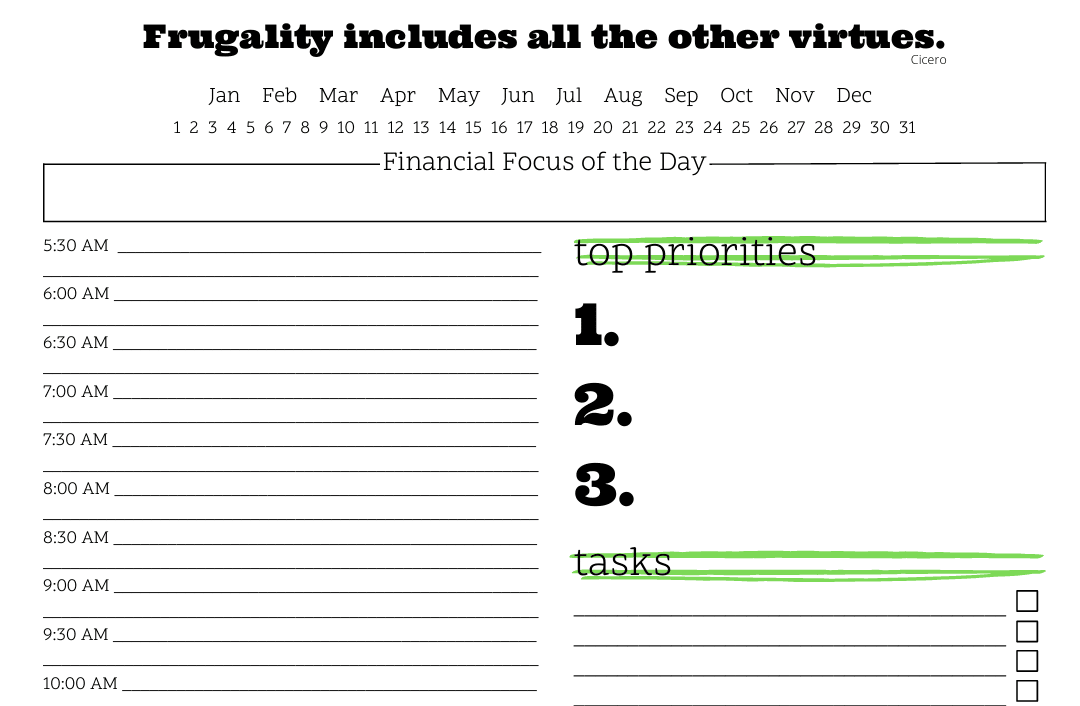
Subscribe to get a free daily budget planner printable to help get your money on track!
Make passive money the right way. No spam.
Editorial Disclaimer: The editorial content on this page is not provided by any of the companies mentioned. The opinions expressed here are the author's alone.
The content of this website is for informational purposes only and does not represent investment advice, or an offer or solicitation to buy or sell any security, investment, or product. Investors are encouraged to do their own due diligence, and, if necessary, consult professional advising before making any investment decisions. Investing involves a high degree of risk, and financial losses may occur including the potential loss of principal.
Source Citation References:
+ Inspo
There are no additional citations or references to note for this article at this time.