

This article may contain references to products or services from one or more of our advertisers or partners. We may receive compensation when you click on links to those products or services. Nonetheless, our opinions are our own.
The information presented in this article is accurate to the best of our knowledge at the time of publication. However, information is subject to change, and no guarantees are made about the continued accuracy or completeness of this content after its publication date.

Picture this: you’re driving home from a perfectly normal Tuesday. Someone runs a red light and — crunch — your car takes a hit. You’re shaken but okay. You exchange information, file a claim, and your insurance company swoops in like a corporate superhero.
They fix your car. You pick it up, still smelling like rental-car air freshener, and think: “Great, we’re done here.”
But here’s what most drivers don’t realize: you’re not done. In fact, you may have just walked away from hundreds — or even thousands — of dollars that were rightfully yours.
That money has a name. It’s called diminished value, and it’s one of the most overlooked financial losses in the entire personal finance universe. Today, we’re going to fix that.
- What Is Diminished Value, and Why Should You Care?
- The Insurance Adjuster’s Favorite Trick (And How to Spot It)
- Step 1: Know Your Number Before You Make the Call
- The 17c Formula: The Insurance Industry’s Lowball Shortcut
- Why a Certified Appraisal Changes Everything
- But Wait — There’s a Catch (A Few, Actually)
- Real Numbers: What Diminished Value Actually Looks Like
- How to Actually File a Diminished Value Claim (Step by Step)
- The 10-Second Move That Costs You Nothing
- The Bottom Line: Insurance Is a Business, and So Are You
- Recommended Reads
What Is Diminished Value, and Why Should You Care?
Let’s be brutally honest about something: cars with accident histories are worth less than identical cars without one. Always. No exceptions.
It doesn’t matter how perfect the repair is. It doesn’t matter if you can’t see a single scratch. The moment a car shows up in a Carfax report as having been in an accident, its resale value takes a hit. Buyers know it, dealers know it, and — this is the part they’d rather you didn’t know — insurance companies know it too.
Diminished value is the difference between what your car was worth before the accident and what it’s worth after, even after all repairs are complete. It comes in three flavors:
- Immediate Diminished Value: The loss in value the instant the accident happens, before any repairs.
- Inherent Diminished Value: The permanent reduction in resale value that exists even after perfect repairs — this is the most common type you can claim.
- Repair-Related Diminished Value: Additional value loss due to poor-quality repairs. (A whole other conversation.)
For most drivers, inherent diminished value is the one worth fighting for — and the one insurance companies hope you never bring up.
The Insurance Adjuster’s Favorite Trick (And How to Spot It)
Here’s a scenario that plays out thousands of times every day across America:
“We’ve completed the repair estimate and your vehicle has been restored to pre-accident condition. Your claim has been settled. Is there anything else we can help you with?”
That phrase — “restored to pre-accident condition” — is doing a lot of heavy lifting. It means your car has been physically repaired. It says absolutely nothing about what your car is worth on the open market now that it has an accident on its record.
Insurance adjusters are trained to close claims quickly and cheaply. That’s not a conspiracy theory; it’s literally their job. And if you don’t ask about diminished value, they are under zero obligation to bring it up.
The good news? In most states, you have a legal right to file a diminished value claim against the at-fault driver’s insurance. The even better news? There are tools that can help you figure out exactly how much you’re owed before you ever pick up the phone.
Step 1: Know Your Number Before You Make the Call
Before you file a diminished value claim, you need to arm yourself with a number. Walking into a negotiation without one is like buying a used car without looking up its value — you’re going to get steamrolled.
That’s where a free diminished value calculator becomes your best friend. DVHIVE’s calculator lets you enter your vehicle’s details and accident information to get an estimate of how much value your car lost — instantly, and at no cost.
Think of it as doing your homework before a job interview. You wouldn’t walk in not knowing what salary to ask for. The same principle applies here. The insurance company already knows what your car is worth — now you will too.
Most people are genuinely shocked by the number. A newer vehicle, a luxury model, or a car with low mileage can lose thousands of dollars in value from a single collision, even if the repairs were flawless. For some cars, the diminished value claim can exceed the cost of the repairs themselves.
The 17c Formula: The Insurance Industry’s Lowball Shortcut
If you do file a diminished value claim with the at-fault driver’s insurance company, there’s a very good chance they’ll respond with something called the “17c formula.”
This formula was originally developed for a 2001 State Farm court case in Georgia, and it was designed as a maximum cap for diminished value payouts, not a fair estimate. Here’s the kicker: insurance companies across the country have quietly adopted it as their default calculation method because it almost always produces the lowest possible payout.
Here’s how it works (brace yourself for some creative math):
- Start with your car’s pre-accident market value from a guide like Kelley Blue Book.
- Multiply by 10% to get a “base loss of value.”
- Apply a “damage multiplier” that caps at 1.00 for severe structural damage (most repairs get rated as low as 0.25).
- Apply a “mileage multiplier” that further reduces the figure based on how many miles you’ve driven.
- End up with a number that would make most professional appraisers laugh.
The result is often a fraction of what the vehicle has actually lost in market value. Insurance companies love it. Your wallet does not.
The counter to this? A professional, certified appraisal that documents your car’s actual market value loss with real comparable sales data — the kind of evidence that holds up when you push back, or when the dispute escalates.
Voted "Best Overall Budgeting App" by Forbes and WSJ
Monarch Money helps you budget, track spending, set goals, and plan your financial future—all in one app.
Get 50% OFF your first year with code MONARCHVIP


Why a Certified Appraisal Changes Everything
There’s a meaningful difference between a ballpark estimate and a certified appraisal. The estimate gives you a starting point and negotiating confidence. The certified appraisal gives you documented, professional evidence that an insurance company can’t just wave away.
DVHIVE’s certified diminished value appraisal service uses licensed appraisers with deep knowledge of state-specific insurance laws to build a report that’s specifically designed to hold up in negotiations — and in court if it ever comes to that. Their team specializes in exactly this: making sure at-fault insurance companies can’t lowball you with a formula cooked up two decades ago.
Here’s what makes a professional appraisal worth it:
- It’s documented evidence, not just a number. An insurer can argue with your estimate. It’s much harder to argue with a certified report from a licensed professional.
- It reflects actual market conditions. Real-world comparable sales of similar vehicles, not a formula from 2001.
- It’s state-specific. Diminished value laws vary significantly by state. A good appraiser knows the rules in your state and builds the case accordingly.
- It levels the playing field. Insurance adjusters deal with claims every single day. Most policyholders deal with accidents maybe once a decade. A certified report closes that knowledge gap fast.
But Wait — There’s a Catch (A Few, Actually)
Diminished value claims aren’t the Wild West. There are rules, and knowing them is part of making sure you collect what you’re owed.
- You usually can only claim against the at-fault driver’s insurance. In most states, you can’t file a diminished value claim against your own insurance policy. The at-fault party’s insurer is typically on the hook. (Check your state’s laws — they vary.)
- Time limits apply. Every state has a statute of limitations for these claims. Don’t wait six months to start the process. Start as soon as repairs are complete.
- Your car’s age and mileage matter. A 2023 vehicle with 10,000 miles has significant diminished value exposure. A 2009 pickup truck with 180,000 miles has much less. The math works in your favor on newer, higher-value vehicles.
- You need to have been not at fault. If you caused the accident, you generally can’t file a DV claim. If the other driver was at fault — even partially — you likely can.
Still not sure if your situation qualifies? DVHIVE offers a free estimate to help you understand your claim potential before you commit to anything.
Real Numbers: What Diminished Value Actually Looks Like
Let’s stop being theoretical for a moment and talk real dollars. Here are some rough examples to put it in perspective:
| Vehicle | Pre-Accident Value | Typical DV Loss | 17c Formula Payout |
| 2022 Honda Accord (35k miles) | $24,000 | $2,400–$3,600 | $480–$720 |
| 2021 BMW 5 Series (20k miles) | $45,000 | $5,000–$8,000 | $900–$1,500 |
| 2023 F-150 (15k miles) | $38,000 | $3,500–$5,500 | $700–$1,100 |
| 2020 Toyota Camry (55k miles) | $20,000 | $1,800–$2,800 | $360–$560 |
The gap between what you’re actually owed and what the 17c formula spits out is not pocket change. For many drivers, it’s a month’s car payment. For others, it’s a full mortgage payment.
How to Actually File a Diminished Value Claim (Step by Step)
Okay, so you’ve decided you want your money. Here’s what the process looks like from start to finish:
- Document everything immediately. Take photos of all damage, from multiple angles, before and after repairs. Save every email and repair invoice.
- Get your estimate. Run your car’s information through a diminished value calculator to establish your baseline number.
- Order a certified appraisal. For claims over $1,500, a certified appraisal is almost always worth the cost. It gives you documented leverage.
- File the claim in writing. Contact the at-fault driver’s insurance company and formally notify them that you are filing a diminished value claim. Get everything in writing.
- Negotiate — and don’t accept the first offer. The first number they give you is almost never their final number. Counter with your documented evidence. Stay calm. Be persistent.
- Escalate if needed. If they lowball you or deny the claim, you have options: hire a public adjuster, consult an attorney, or file a complaint with your state’s insurance commissioner.
The 10-Second Move That Costs You Nothing
Whether you were in an accident last week or last month, there’s one thing you can do right now that takes about 10 seconds and is completely free:
Use DVHIVE’s diminished value calculator to find out what your car’s claim could be worth. Enter your vehicle details, the accident information, and you’ll have an estimate in under a minute.
No commitment. No credit card. No sales pressure. Just a number — and the knowledge to decide whether pursuing a claim makes financial sense for your specific situation.
For some drivers, the number will be modest and they’ll decide it’s not worth the hassle. That’s a perfectly valid financial decision, made with information. For others, the number will be eye-opening, and they’ll realize they have thousands of dollars in legitimate losses worth fighting for.
Either way, knowing is better than not knowing. That’s kind of the whole point of personal finance.
The Bottom Line: Insurance Is a Business, and So Are You
Insurance companies have entire departments dedicated to minimizing payouts. That’s not cynicism — it’s just how the economics work. They are running a business, and their job is to pay out as little as possible while keeping you from taking your policy elsewhere.
Your job is to know your rights, do your homework, and collect what you’re actually owed.
Diminished value is one of the most consistently overlooked money-recovery opportunities after a car accident. It’s not a loophole, a trick, or some obscure legal maneuver. It’s your right as the non-at-fault party in an accident, and the tools to calculate, document, and claim it are more accessible than ever.
Next time someone rear-ends you at a stoplight, you won’t be walking away from that money. You’ll know exactly what your car lost — and exactly how to get it back.
💡 Quick Summary: What to Do After an Accident
1. Document damage immediately with photos and repair invoices.
2. Use a free diminished value calculator to establish your loss estimate.
3. Consider a certified appraisal for larger claims.
4. File a formal written DV claim with the at-fault driver’s insurance.
5. Negotiate — don’t accept the first offer.
About the Author: Fiona Kertalli is an auto claims advocate. She helps everyday drivers understand their financial rights and navigate the often confusing world of insurance claims. Questions or feedback? Reach out at info@dvhive.com.

Reviewed and edited by Albert Fang.
See a typo or want to suggest an edit/revision to the content? Use the contact us form to provide feedback.
At FangWallet, we value editorial integrity and open collaboration in curating quality content for readers to enjoy. Much appreciated for the assist.
Did you like our article and find it insightful? We encourage sharing the article link with family and friends to benefit as well - better yet, sharing on social media. Thank you for the support! 🍉
Article Title: What Your Insurance Company Isn’t Telling You After a Car Accident (And the Money You’re Leaving on the Table)
https://fangwallet.com/2026/04/30/what-your-insurance-company-isnt-telling-you-after-a-car-accident/The FangWallet Promise
FangWallet is an editorially independent resource - founded on breaking down challenging financial concepts for anyone to understand since 2014. While we adhere to editorial integrity, note that this post may contain references to products from our partners.
The FangWallet promise is always to have your best interest in mind and be transparent and honest about the financial picture.
Become an Insider
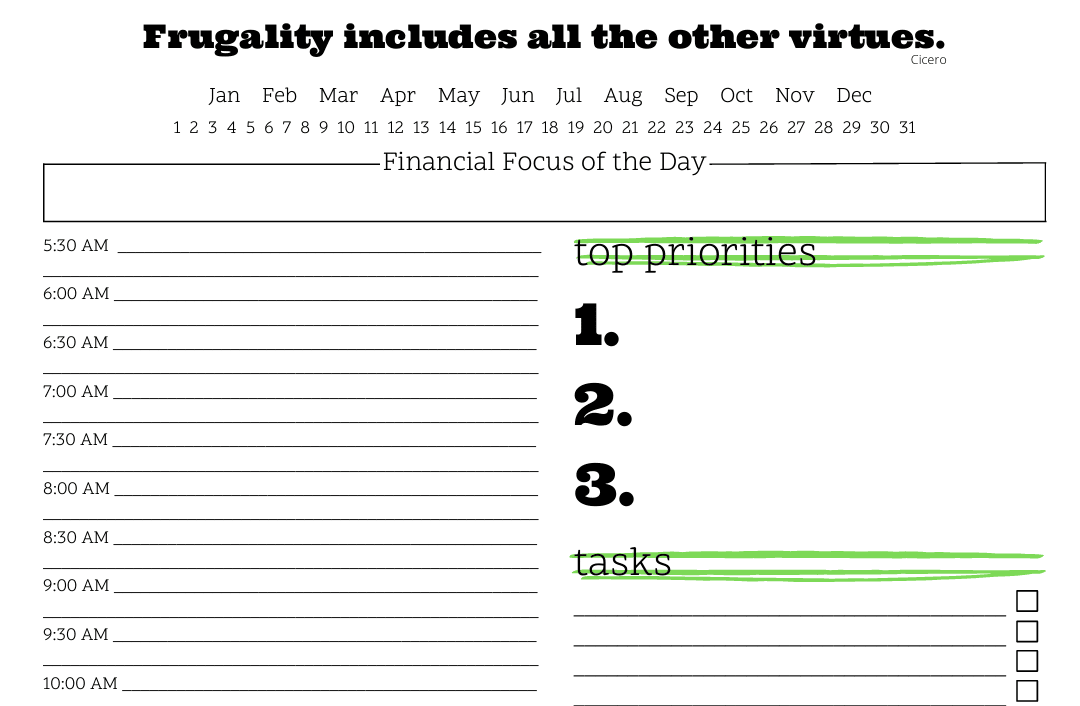
Subscribe to get a free daily budget planner printable to help get your money on track!
Make passive money the right way. No spam.
Editorial Disclaimer: The editorial content on this page is not provided by any of the companies mentioned. The opinions expressed here are the author's alone.
The content of this website is for informational purposes only and does not represent investment advice, or an offer or solicitation to buy or sell any security, investment, or product. Investors are encouraged to do their own due diligence, and, if necessary, consult professional advising before making any investment decisions. Investing involves a high degree of risk, and financial losses may occur including the potential loss of principal.
Source Citation References:
+ Inspo
There are no additional citations or references to note for this article at this time.