

This article may contain references to products or services from one or more of our advertisers or partners. We may receive compensation when you click on links to those products or services. Nonetheless, our opinions are our own.
The information presented in this article is accurate to the best of our knowledge at the time of publication. However, information is subject to change, and no guarantees are made about the continued accuracy or completeness of this content after its publication date.

We move through financial life facing shifting markets, rising costs, and competing priorities, yet small consistent behaviours often make the biggest difference. These behaviours work gradually, strengthening long-term stability without requiring major changes and helping create a sense of direction even when conditions evolve around us. Over time, these steady patterns form the groundwork for clearer choices and more resilient planning.
- Shifting Digital Habits and Emerging Platforms
- Building Momentum With Everyday Decisions
- Small Adjustments With Long-Term Impact
- Strength Through Systematic Evaluation
- Everyday Choices That Expand Opportunity
- Reinforcing Habits Through Structured Routines
- A Steady Path Forward
- FAQs
- Recommended Reads
Shifting Digital Habits and Emerging Platforms
As daily routines increasingly merge with digital environments, many services now operate within broader communication-based ecosystems that bring multiple functions into the same streamlined flow. It has become common to see tools for organizing group activities, handling shared expenses, coordinating schedules, or accessing quick-reference utilities appear side by side in these spaces.
Digital entertainment has followed a similar path, with options such as on-demand trivia sessions, interactive mini-features, and community-driven activity hubs becoming accessible without moving between separate destinations. In some interfaces, there are also features that allow individuals to play directly from Telegram, presented alongside other tools that streamline navigation and payment workflows. Within these environments, casino-focused appear as well, often supported by crypto-based payment methods designed for fast processing and reinforced security, creating a setting where confirmations and verifications are handled with minimal friction.
As digital platforms streamline everything from entertainment features to secure, fast crypto-based payments, they highlight how small, consistent actions shape smoother experiences across different parts of daily life. The same principle applies to financial habits, where steady, intentional choices form the foundation for structure and clarity over time. This alignment between evolving digital behavior and practical money management underscores the value of routines that build long-term stability.
Building Momentum With Everyday Decisions
Financial progress rarely arrives in sudden leaps; it emerges from repeated choices. When those choices become routine, they reduce stress and expand options, allowing us to focus on strategy rather than uncertainty. This approach fits the FangWallet rhythm: grounded, deliberate, and realistic.
These behaviours support steady momentum:
- Automating transfers to savings or investment accounts to stabilise contributions.
- Tracking monthly cash flow to understand patterns and limit avoidable friction.
- Setting ceilings for discretionary categories to maintain predictable structure.
- Reviewing recurring charges to prevent silent budget erosion.
Small Adjustments With Long-Term Impact
Incremental adjustments matter because they compound. Even modest shifts in behaviour influence savings capacity, risk exposure, and financial endurance. Over time, these shifts reinforce discipline and create room for strategic decisions when markets fluctuate.
The table below highlights simple behaviours and their measurable effects.
| Behaviour | Impact Over Time |
| Automated saving | Strengthens consistency and reduces missed opportunities |
| Expense review | Frees resources for long-term priorities |
| Cash-flow tracking | Improves clarity and supports confident planning |
This clarity helps us handle uncertainty with more predictable expectations. When we understand where money moves and why, planning becomes more intentional and less reactive, reinforcing sustainable habits.
Voted "Best Overall Budgeting App" by Forbes and WSJ
Monarch Money helps you budget, track spending, set goals, and plan your financial future—all in one app.
Get 50% OFF your first year with code MONARCHVIP


Strength Through Systematic Evaluation
Regular evaluation sharpens awareness. Markets shift, prices change, and personal priorities evolve, making periodic check-ins essential for long-term stability. Structured reviews transform isolated decisions into a coherent strategy aligned with financial goals.
Consider integrating these evaluation habits:
- Assessing progress quarterly to adjust saving and allocation targets.
- Comparing actual spending with planned ranges to highlight pressure points.
- Rebalancing investments when allocations drift from intended proportions.
- Evaluating insurance levels to maintain appropriate protection.
These practices encourage consistency without demanding more effort than necessary. By viewing finances as an evolving system, we strengthen resilience and reduce the influence of short-term volatility.
Everyday Choices That Expand Opportunity
Opportunity grows when routine decisions align with long-term priorities. Simple behaviours help us manage resources with intention, creating space to pursue broader ambitions. Over time, these choices cultivate adaptability and reinforce the foundation needed for sustainable progress.
Key opportunity-building behaviours include:
- Directing windfalls toward defined goals rather than spontaneous spending.
- Allocating portions of rising income to savings before lifestyle adjustments.
- Using simple forecasting tools to anticipate upcoming expenses.
- Prioritising purchases that expand utility rather than short-lived convenience.
- Maintaining buffers to handle unexpected shifts without disrupting plans.
The comparison below outlines how small choices influence financial direction.
| Choice | Long-Term Effect |
| Consistent saving | Builds capacity for strategic planning |
| Irregular spending | Adds unpredictability and strains resources |
| Clear goals | Focuses momentum and strengthens discipline |
As patterns form, financial direction becomes more straightforward to manage. Predictability supports confident decisions, even when external conditions shift.
Reinforcing Habits Through Structured Routines
Structured routines give financial behaviours a durable foundation. When habits anchor themselves in predictable rhythms, the decision-making load lessens and progress unfolds with fewer setbacks. Regular touchpoints—such as weekly check-ins or monthly reviews—help maintain visibility across accounts, upcoming obligations, and evolving priorities. This stability helps us respond with intention rather than react quickly when circumstances change. Over time, routines develop into an operating system that supports clarity, discipline, and strategic intent, offering a framework strong enough to handle both planned goals and unexpected demands.
Core routine-building principles include:
- Establishing consistent review times to sustain awareness and reduce surprises.
- Using simple templates to track goals, obligations, and resource allocation.
- Aligning routine checkpoints with pay cycles to streamline adjustments.
The routine types below illustrate their distinct strengths.
| Routine | Primary Benefit |
| Weekly review | Keeps spending aligned with expectations |
| Monthly audit | Highlights trends and emerging priorities |
| Quarterly reset | Supports strategic adjustments and rebalancing |
When structured routines operate alongside intentional behaviours, financial systems become easier to manage and far more responsive. The combination reduces cognitive strain, ensuring that essential tasks never rely on motivation alone. Instead, habits activate automatically, guiding decisions even during periods of uncertainty or heightened pressure.
This integrated approach also strengthens long-term planning by keeping goals visible and actionable throughout the year. As patterns stabilize, opportunities become easier to identify, supporting more deliberate resource allocation. Ultimately, routines do more than organise tasks—they reinforce the mindset needed to sustain progress and support stronger financial resilience.
By blending habits, routines, and structured evaluations, we create a financial environment that rewards consistency and supports long-range goals. This unified approach strengthens adaptability, enhances clarity, and fosters momentum that endures through shifting economic landscapes.
A Steady Path Forward
Long-term financial strength rarely depends on sweeping transformation. It grows from steady actions that accumulate into meaningful progress. By integrating practical behaviours into daily routines, we create a framework that supports stability, clarity, and opportunity. Each behaviour reinforces the next, forming a resilient system capable of withstanding change while maintaining momentum. The journey unfolds gradually, shaped by intention, awareness, and disciplined follow-through.
FAQs
What makes small financial behaviours effective over time?
Small behaviours compound when repeated consistently, allowing modest actions to accumulate into meaningful financial strength. Over time, this steady rhythm reinforces discipline and stabilises long-term progress.
How often should financial habits be reviewed?
Quarterly reviews strike a balance between oversight and flexibility, offering enough data to spot trends without overwhelming the process. This cadence keeps goals aligned with changing conditions.
Which behaviours offer the fastest stability gains?
Automated saving, expense reviews, and cash-flow tracking deliver structure with minimal effort, making them strong early stabilisers. These habits quickly establish clarity and predictable financial movement.
How do regular evaluations improve long-term planning?
They reveal shifting patterns, highlight emerging priorities, and expose areas needing adjustment before they grow significant. This continual insight strengthens long-range strategy and supports consistent momentum.

Reviewed and edited by Albert Fang.
See a typo or want to suggest an edit/revision to the content? Use the contact us form to provide feedback.
At FangWallet, we value editorial integrity and open collaboration in curating quality content for readers to enjoy. Much appreciated for the assist.
Did you like our article and find it insightful? We encourage sharing the article link with family and friends to benefit as well - better yet, sharing on social media. Thank you for the support! 🍉
Article Title: Simple Behaviours That Strengthen Our Finances Over Time
https://fangwallet.com/2025/12/12/simple-behaviours-that-strengthen-our-finances-over-time/The FangWallet Promise
FangWallet is an editorially independent resource - founded on breaking down challenging financial concepts for anyone to understand since 2014. While we adhere to editorial integrity, note that this post may contain references to products from our partners.
The FangWallet promise is always to have your best interest in mind and be transparent and honest about the financial picture.
Become an Insider
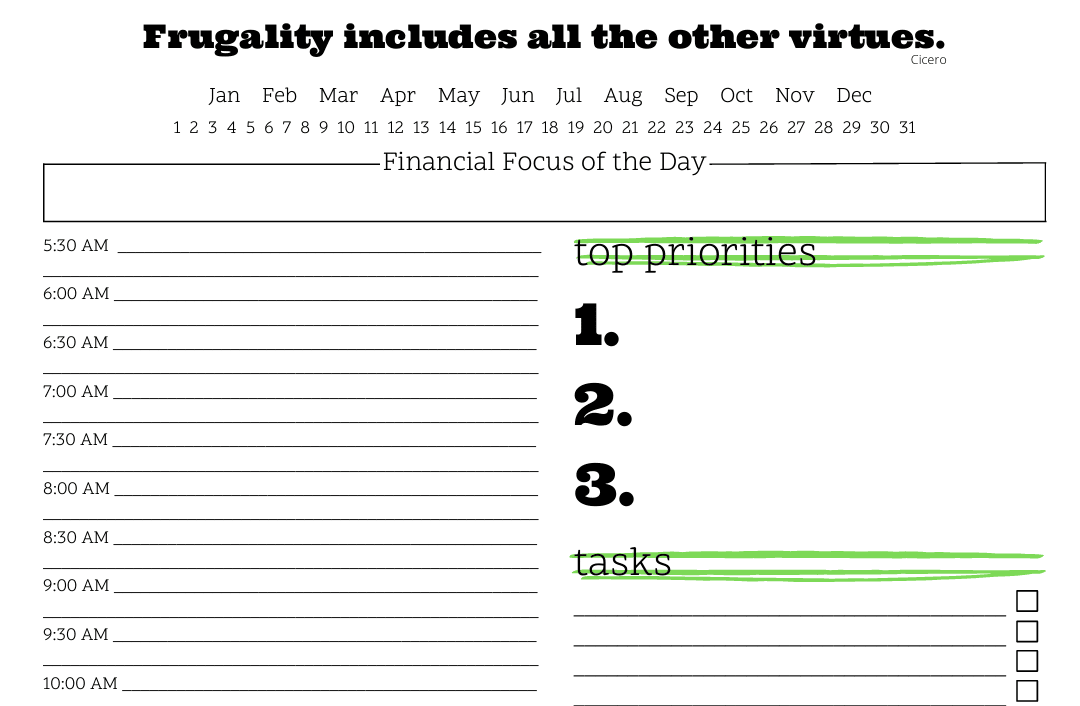
Subscribe to get a free daily budget planner printable to help get your money on track!
Make passive money the right way. No spam.
Editorial Disclaimer: The editorial content on this page is not provided by any of the companies mentioned. The opinions expressed here are the author's alone.
The content of this website is for informational purposes only and does not represent investment advice, or an offer or solicitation to buy or sell any security, investment, or product. Investors are encouraged to do their own due diligence, and, if necessary, consult professional advising before making any investment decisions. Investing involves a high degree of risk, and financial losses may occur including the potential loss of principal.
Source Citation References:
+ Inspo
There are no additional citations or references to note for this article at this time.