

This article may contain references to products or services from one or more of our advertisers or partners. We may receive compensation when you click on links to those products or services. Nonetheless, our opinions are our own.
The information presented in this article is accurate to the best of our knowledge at the time of publication. However, information is subject to change, and no guarantees are made about the continued accuracy or completeness of this content after its publication date.

When you look for a house, you will often see listings that say “contingent.” This label means that the seller has agreed to the offer, but the sale won’t happen until certain conditions are met. Buyers can find valuable opportunities if they know how to look at these listings and make a strong backup offer. A home that is contingent means that the seller has agreed to an offer, but the sale won’t go through until certain conditions are met. You can make an offer on a property that is contingent, which is usually a backup. This gets you ready to act quickly if the current deal falls through. Act quickly and make a strong, flexible offer to improve your chances.
Common Contingencies in Home Sales
Contingencies are contract conditions required to close the sale.
Typical examples include
- Home inspection results
- Financing approval
- Sale of the buyer’s current home
If the initial buyer fails to meet these conditions, the seller may consider backup offers.
Benefits of Submitting a Backup Offer
- Secures your place if the original buyer withdraws
- Limits competition compared to waiting for relisting
- Shows the seller your serious intent
Adjusting your offer price, contingencies, and earnest money deposit can make it more appealing.
Offer Elements to Consider
| Offer Element | Recommendation |
|---|---|
| Price | Competitive yet realistic |
| Contingencies | Flexible to attract the seller |
| Earnest Money | Larger deposit signals seriousness |
Voted "Best Overall Budgeting App" by Forbes and WSJ
Monarch Money helps you budget, track spending, set goals, and plan your financial future—all in one app.
Get 50% OFF your first year with code MONARCHVIP


Financial Readiness Before Making an Offer
Evaluate your budget carefully when targeting contingent homes:
- Down Payment: Aim for 20%, though some loans allow less
- Monthly Payments: Confirm affordability
- Closing Costs: Expect 2% to 5% of the purchase price
- Emergency Fund: Keep reserves for unexpected expenses
Credit scores affect mortgage rates as shown below:
| Credit Score Range | Mortgage Rate Impact |
|---|---|
| 300 to 579 | High rates, limited options |
| 580 to 669 | Moderate rates, some options |
| 670 to 739 | Good rates, many options |
| 740+ | Excellent rates, best options |
Risks When Buying Contingent Properties:
- Time-sensitive process requiring quick action on deadlines
- Possible delays as seller works with the original buyer
- Uncertainty about the deal’s outcome
Research the property’s history and comparable sales to inform your decision.
Crafting a Standout Offer:
- Include a concise letter explaining your interest
- Limit contingencies where possible
- Offer a larger earnest money deposit
| Offer Detail | Your Offer | Seller’s Listing |
|---|---|---|
| Price | $450,000 | $440,000 |
| Earnest Money Deposit | $20,000 | $15,000 |
| Closing Date | Flexible (≤30 days) | 45 days |
What Happens After You Submit an Offer:
- Your agent communicates the seller’s response
- Prepare for negotiations and potential adjustments
- Once accepted, promptly complete inspections, appraisals, and paperwork
Final Thoughts
Submitting an offer on a contingent home can create opportunities in competitive markets. Backup offers enable quick action if the initial buyer’s contract fails. Financial preparedness, flexibility in contingencies, and a clear, attractive offer increase the likelihood of success. Maintain close communication with your agent and be ready to respond promptly as the process unfolds.
Frequently Asked Questions
What does it mean when a house is contingent?
It means the seller accepted an offer, but conditions like loan approval or inspections must be met before closing.
Can I make an offer on a contingent house?
Yes. You can submit a backup offer, which the seller may accept if the original deal does not close.
How does the current buyer know about my offer?
The seller and their agent decide whether to inform the current buyer. It is common but not mandatory.
What happens if the current buyer backs out?
The seller can accept your backup offer and proceed with your purchase.

Reviewed and edited by Albert Fang.
See a typo or want to suggest an edit/revision to the content? Use the contact us form to provide feedback.
At FangWallet, we value editorial integrity and open collaboration in curating quality content for readers to enjoy. Much appreciated for the assist.
Did you like our article and find it insightful? We encourage sharing the article link with family and friends to benefit as well - better yet, sharing on social media. Thank you for the support! 🍉
Article Title: Guide to Making Offers on Contingent Houses for First Time Buyers
https://fangwallet.com/2025/12/01/guide-to-making-offers-on-contingent-houses-for-first-time-buyers/The FangWallet Promise
FangWallet is an editorially independent resource - founded on breaking down challenging financial concepts for anyone to understand since 2014. While we adhere to editorial integrity, note that this post may contain references to products from our partners.
The FangWallet promise is always to have your best interest in mind and be transparent and honest about the financial picture.
Become an Insider
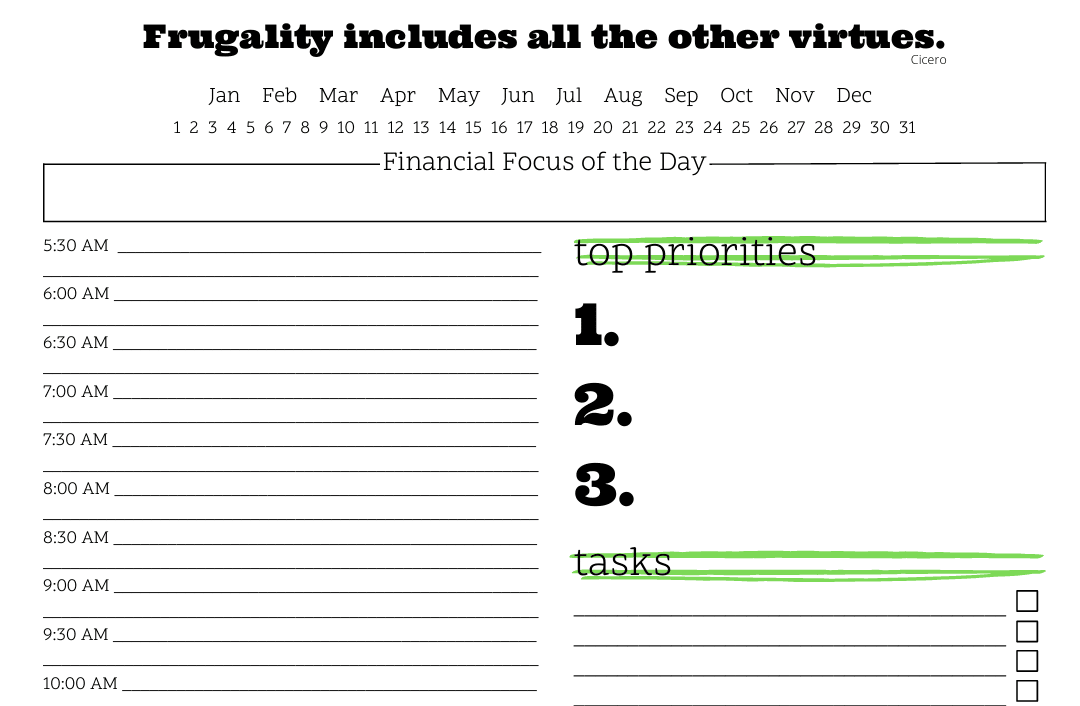
Subscribe to get a free daily budget planner printable to help get your money on track!
Make passive money the right way. No spam.
Editorial Disclaimer: The editorial content on this page is not provided by any of the companies mentioned. The opinions expressed here are the author's alone.
The content of this website is for informational purposes only and does not represent investment advice, or an offer or solicitation to buy or sell any security, investment, or product. Investors are encouraged to do their own due diligence, and, if necessary, consult professional advising before making any investment decisions. Investing involves a high degree of risk, and financial losses may occur including the potential loss of principal.
Source Citation References:
+ Inspo
Veerhoek, E. M. J. (2024). First-time buyers on the Dutch housing market–the starters dilemma.