


This article may contain references to products or services from one or more of our advertisers or partners. We may receive compensation when you click on links to those products or services. Nonetheless, our opinions are our own.
The information presented in this article is accurate to the best of our knowledge at the time of publication. However, information is subject to change, and no guarantees are made about the continued accuracy or completeness of this content after its publication date.

The dream of financial independence captures the imagination of millions. Stories of self-made tycoons and industry giants dominate headlines, sparking curiosity about why some thrive while others remain financially stagnant. Though the pursuit of wealth is common, the path to achieving it remains elusive for the majority.
- Shaping Your Financial Reality
- The Cornerstone of Wise Money Management
- Hidden Spending Habits That Drain Wealth
- The Influence of Your Social Circle on Wealth-Building
- Why Playing It Safe Can Hold You Back
- The Role of Clear Goals in Financial Success
- Conclusion
- Frequently Asked Questions
- What is the most common mental barrier to building wealth?
- Does traditional education guarantee financial success?
- Why do so many avoid taking financial risks?
- What happens when people lack clear financial goals?
- How does lifestyle inflation affect wealth accumulation?
- Why is procrastination financially damaging?
- How does your social environment influence financial outcomes?
- What role does discipline play in financial success?
- Why is fear of failure so paralyzing in financial decisions?
- How important is delayed gratification in building wealth?
- Recommended Reads
Shaping Your Financial Reality
Wealth starts in your head long before it shows up in your bank account. Thoughts and beliefs affect choices, and choices lead to results. A lot of people have what is often called a “scarcity mentality,” which is an internal story that is full of fear, doubt, and limiting beliefs. This mental block can cause people to avoid chances, spend too much money, or put off making decisions that could change their lives. People who are financially successful tend to have an abundant mindset, which means they are positive, strong, and willing to take calculated risks. It takes effort and intention to switch from thinking about what could go wrong to thinking about what could go right.
Important Attributes of a Wealth-Driven Mindset:
- Growth-focused perspective that treats challenges as stepping stones
- Vision that prioritizes long-term security over fleeting pleasures
- Emotional resilience to navigate setbacks without surrender
- Flexibility to adapt and learn in ever-changing circumstances
True wealth starts with reshaping mental habits to support calculated decisions, continuous learning, and meaningful progress.
The Cornerstone of Wise Money Management
Having goals is good, but you also need to know things. People who make a lot of money can still get into cycles of debt, poor management, and missed chances if they don’t know the basics of money. People who know how to handle money can make smart choices that keep their money safe and help it grow over time.
Foundational Financial Skills and Their Practical Applications:
- Budget Management: Controlling expenses to maximize savings
- Investment Awareness: Identifying vehicles for long-term wealth growth
- Debt Control: Minimizing high-interest liabilities to preserve capital
- Informed Decision-Making: Evaluating options based on risk and reward
| Financial Knowledge | Real-World Application |
|---|---|
| Knowing Interest Rates | Selecting affordable credit solutions |
| Budgeting Effectively | Preparing for emergencies and future goals |
| Investment Basics | Building a balanced financial portfolio |
Financial literacy transforms vague ambition into measurable achievement.
Even those with stable incomes often find themselves living paycheck to paycheck. Why? Discretionary spending tends to rise alongside earnings. The lure of luxury items, constant dining out, and impulsive purchases create a deceptive sense of affluence while silently draining future security. Convenience spending is equally deceptive. Small daily purchases like specialty coffees, subscription services, and fast food may seem trivial, but over time they erode savings potential.
| Spending Habit | Monthly Impact | Annual Cost |
|---|---|---|
| Frequent Dining Out | $300 | $3,600 |
| Unchecked Subscriptions | $50 | $600 |
| Coffee Shop Visits | $100 | $1,200 |
Recognizing and adjusting these habits can free significant resources for saving, investing, and building long-term financial stability.
Voted "Best Overall Budgeting App" by Forbes and WSJ
Monarch Money helps you budget, track spending, set goals, and plan your financial future—all in one app.
Get 50% OFF your first year with code MONARCHVIP


Few achieve success in isolation. The people you surround yourself with shape your mindset, habits, and opportunities. A network of driven, insightful, and supportive individuals creates an environment that encourages growth and ambition.
Benefits of a Positive Financial Network:
- Encouragement to pursue higher goals
- Exposure to new strategies and ideas
- Accountability that keeps actions aligned with objectives
- Access to shared resources and knowledge
- Motivation to step beyond comfort zones
| Network Type | Potential Contribution |
|---|---|
| Entrepreneurs | Collaborative projects and shared insight |
| Experienced Mentors | Strategic advice and personal guidance |
| Financial Professionals | Expert input on wealth management strategies |
| Supportive Peers | Motivation and emotional reinforcement |
Evaluate your circle with care. The right relationships can fuel both personal and financial advancement.
Why Playing It Safe Can Hold You Back
Many people don’t take advantage of chances that could change their financial situation because they are afraid of losing something. It’s smart to be careful, but being too scared can stop you from doing anything, which is a threat to any effort to build wealth. People who are successful often say that they got there by being ready for the unknown and having good ideas.
Productive Risk-Taking Strategies:
- Seek growth through research-backed investments
- Treat failure as a lesson, not a stopping point
- Balance risk with long-term vision and realistic expectations
| Risk Action | Potential Reward |
|---|---|
| Investing in Markets | Compounding returns over time |
| Starting a Business | Multiple income streams and independence |
| Career Advancement Moves | Greater earning potential and influence |
Avoiding every risk may feel safe, but it often guarantees missed opportunities.
The Role of Clear Goals in Financial Success
Wealth is rarely accidental. Clear, defined objectives transform vague aspirations into measurable targets. Whether saving for a home, securing retirement, or building generational wealth, success starts with intentional planning.
Steps Toward Purposeful Financial Planning:
- Define specific short- and long-term goals
- Break objectives into actionable steps
- Establish timelines and checkpoints to measure progress
- Hold yourself accountable through regular reviews
| Goal | Timeframe | Action Steps |
|---|---|---|
| Build Emergency Fund | 6 Months | Set aside 3-6 months of living expenses |
| Pay Down High-Interest Debt | 12 Months | Focus on credit cards or personal loans |
| Grow Retirement Savings | 5 Years | Maximize contributions to retirement plans |
Conclusion
Lasting wealth is not the result of luck but of consistent habits, informed choices, and disciplined planning. For many, overlooked factors such as mindset, hidden spending, fear of risk, or unclear goals quietly erode financial progress. Recognizing these barriers is the first step toward breaking the cycle that keeps most people from achieving financial independence. By developing financial literacy, surrounding yourself with supportive influences, setting clear objectives, and embracing calculated risks, it becomes possible to shift from financial stagnation to long-term security. Wealth-building is a deliberate journey, and those who commit to learning, adapting, and acting with discipline are far more likely to achieve the financial freedom that others only dream about.
Frequently Asked Questions
What is the most common mental barrier to building wealth?
Many adopt limiting beliefs that financial success is reserved for a select few, which prevents them from taking meaningful action.
Does traditional education guarantee financial success?
While formal education provides career opportunities, financial literacy is essential for managing and growing wealth effectively.
Why do so many avoid taking financial risks?
Fear of loss often outweighs potential rewards, leading to missed opportunities for long-term growth.
What happens when people lack clear financial goals?
Without specific objectives, individuals often drift financially, making inconsistent or impulsive decisions that undermine progress.
How does lifestyle inflation affect wealth accumulation?
Rising expenses often consume increased income, leaving little room for saving or investing.
Why is procrastination financially damaging?
Delaying decisions like investing, saving, or reducing debt limits the time available for compound growth and wealth-building.
Surrounding yourself with negative or complacent influences can diminish motivation and limit exposure to opportunities.
What role does discipline play in financial success?
Consistency in saving, budgeting, and investing builds the habits necessary for long-term financial security.
Why is fear of failure so paralyzing in financial decisions?
It prevents individuals from pursuing opportunities that could lead to significant personal and financial growth.
How important is delayed gratification in building wealth?
Choosing to prioritize future security over immediate pleasures is a hallmark of those who achieve lasting financial success.

Reviewed and edited by Albert Fang.
See a typo or want to suggest an edit/revision to the content? Use the contact us form to provide feedback.
At FangWallet, we value editorial integrity and open collaboration in curating quality content for readers to enjoy. Much appreciated for the assist.
Did you like our article and find it insightful? We encourage sharing the article link with family and friends to benefit as well - better yet, sharing on social media. Thank you for the support! 🍉
Article Title: Why Most People Will Never Build Lasting Wealth
https://fangwallet.com/2025/12/01/why-most-people-will-never-build-lasting-wealth/The FangWallet Promise
FangWallet is an editorially independent resource - founded on breaking down challenging financial concepts for anyone to understand since 2014. While we adhere to editorial integrity, note that this post may contain references to products from our partners.
The FangWallet promise is always to have your best interest in mind and be transparent and honest about the financial picture.
Become an Insider
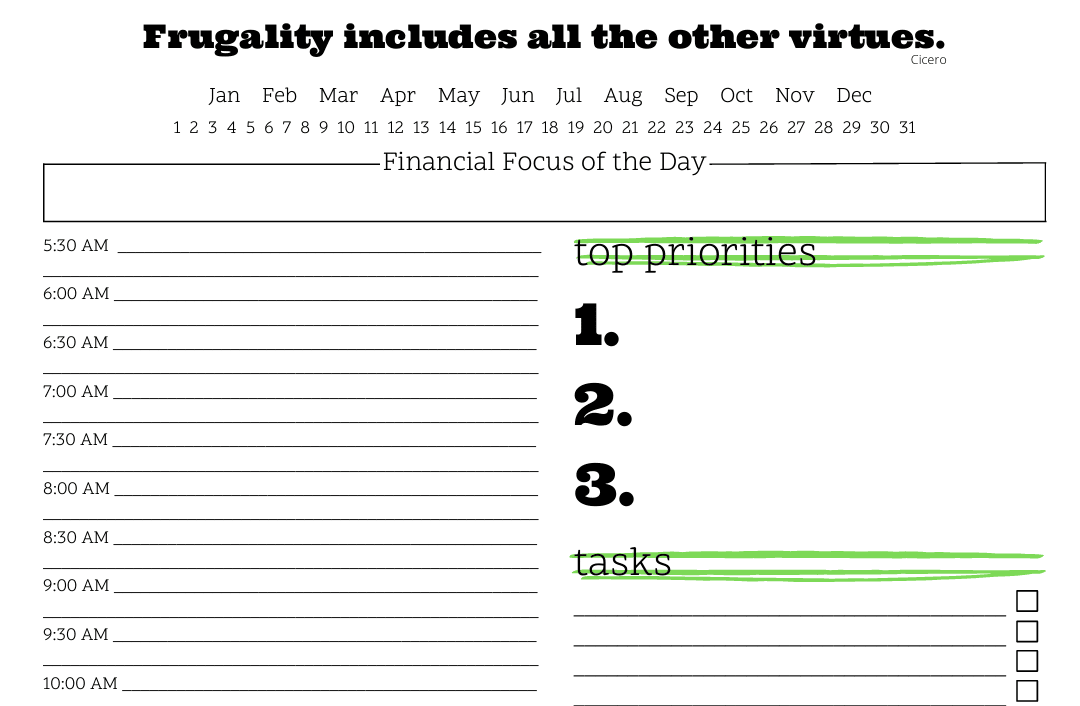
Subscribe to get a free daily budget planner printable to help get your money on track!
Make passive money the right way. No spam.
Editorial Disclaimer: The editorial content on this page is not provided by any of the companies mentioned. The opinions expressed here are the author's alone.
The content of this website is for informational purposes only and does not represent investment advice, or an offer or solicitation to buy or sell any security, investment, or product. Investors are encouraged to do their own due diligence, and, if necessary, consult professional advising before making any investment decisions. Investing involves a high degree of risk, and financial losses may occur including the potential loss of principal.
Source Citation References:
+ Inspo
Collins, J. L. (2025). The Simple Path to Wealth (Revised & Expanded 2025 Edition): Your Road Map to Financial Independence and a Rich, Free Life. Simon and Schuster.