


This article may contain references to products or services from one or more of our advertisers or partners. We may receive compensation when you click on links to those products or services. Nonetheless, our opinions are our own.
The information presented in this article is accurate to the best of our knowledge at the time of publication. However, information is subject to change, and no guarantees are made about the continued accuracy or completeness of this content after its publication date.

Fresh Consumer Price Index (CPI) data has triggered turbulence across financial markets. Stocks have retreated, bond yields have climbed, and investor anxiety around inflation and interest rate expectations has intensified. Elevated CPI readings suggest that central banks may hold or raise rates longer than anticipated, affecting earnings, borrowing costs, and consumer spending.
- How Inflation Influences Portfolio Strategy
- Sector Shifts During Inflationary Periods
- Macroeconomic Signals Shaping Market Reaction
- Behavioral Finance and Market Sentiment
- Central Bank Messaging and Market Interpretation
- Protecting Purchasing Power Amid Inflation
- Long-Term Strategy for Short-Term Volatility
- Conclusion
- Frequently Asked Questions
- Recommended Reads
How Inflation Influences Portfolio Strategy
Rising bond yields create both challenges and opportunities. While higher yields push existing bond prices down, they can also attract new capital seeking better returns. For equities, elevated rates often lead to tighter financial conditions and valuation compression, particularly in rate-sensitive sectors such as technology and consumer discretionary.
Portfolio strategies to navigate this environment include:
- Focusing on shorter-duration bonds to manage interest rate exposure
- Investing in dividend-paying equities in resilient sectors
- Diversifying income across interest-bearing instruments and inflation-linked securities
Sector Shifts During Inflationary Periods

Certain market segments historically demonstrate stability during inflationary cycles. Companies delivering non-cyclical goods and services tend to maintain steady demand, providing potential shelter from volatility.
| Sector | Characteristics |
|---|---|
| Consumer Staples | Steady demand for essential goods across cycles |
| Healthcare | Consistent spending regardless of economic conditions |
| Utilities | Services used consistently regardless of price levels |
These sectors often feature reliable cash flows, moderate debt, and consistent dividends, offering relative stability in uncertain markets.
Macroeconomic Signals Shaping Market Reaction
Beyond CPI figures, broader economic signals influence market expectations. Unexpected inflation can indicate supply chain stress, tight labor markets, or commodity price volatility, all of which inform central bank policy decisions.
| Indicator | Potential Market Impact |
|---|---|
| Strong wage growth | May reinforce inflationary pressures |
| Rising commodity prices | Could signal cost-push inflation |
| Tight labor market | Might lead to more aggressive monetary policy |
Higher inflation expectations increase the likelihood of prolonged tightening cycles, affecting valuations across asset classes.
Behavioral Finance and Market Sentiment
Market reactions are often amplified by behavioral biases. Investors may respond emotionally to CPI surprises, creating volatility that is not always reflective of fundamentals.
| Behavioral Bias | Typical Market Effect |
|---|---|
| Loss aversion | Premature selling of risk assets |
| Recency bias | Overweighting recent inflation data |
| Herd behavior | Following consensus without independent analysis |
Understanding these biases can help long-term investors separate short-term noise from meaningful market signals.
Voted "Best Overall Budgeting App" by Forbes and WSJ
Monarch Money helps you budget, track spending, set goals, and plan your financial future—all in one app.
Get 50% OFF your first year with code MONARCHVIP


Central Bank Messaging and Market Interpretation
Market sensitivity to central bank communication has increased. Statements, press conferences, and meeting minutes are closely analyzed for implications on interest rate trajectories. Even subtle changes in language can move bond yields and equity valuations.
Key factors investors monitor include:
- Forward guidance on interest rates
- Views on inflation persistence
- Labor market outlook
Accurate interpretation of policy signals is critical to avoid premature positioning in volatile conditions.
Protecting Purchasing Power Amid Inflation
Sustained inflation erodes financial security, especially for those on fixed incomes or nearing retirement. Strategies to mitigate risk include:
- Prioritizing savings and essential expenditures over discretionary spending
- Exploring alternative income streams for flexibility
- Investing in inflation-hedged assets such as TIPS, commodities, or real assets
- Maximizing contributions to tax-advantaged accounts
Regularly reviewing cash flow and savings goals remains essential during inflationary cycles.
Long-Term Strategy for Short-Term Volatility
Volatile market reactions to CPI data can challenge investors, but history shows disciplined, diversified strategies often outperform reactive approaches.
| Strategy Element | Benefit |
|---|---|
| Diversification | Reduces concentration risk across asset classes |
| Rebalancing | Maintains alignment with long-term objectives |
| Clear time horizons | Differentiates short-term turbulence from long-term goals |
Staying focused on broader objectives helps investors avoid making decisions driven by fear or market headlines.
Conclusion
CPI surprises have reinforced the market’s sensitivity to inflation and interest rates, leading to equity volatility and rising bond yields. Investors who focus on diversification, income stability, and inflation-aware strategies can better preserve purchasing power and navigate market turbulence. Maintaining a disciplined, long-term perspective remains essential for positioning portfolios to withstand inflationary cycles and evolving economic conditions.
Frequently Asked Questions
What is driving the current drop in stocks?
The recent CPI release exceeded expectations, signaling stronger inflationary pressures. This prompted investors to anticipate a more aggressive stance from the Federal Reserve, impacting stock valuations.
Why are bond yields rising?
Higher CPI readings increase expectations for ongoing rate hikes or prolonged tightening cycles, causing bond traders to demand higher yields.
How might inflation affect real estate?
Elevated mortgage rates can reduce housing affordability, dampen demand, and slow home price growth. Income-generating real estate may benefit from inflation-linked leases.
Are defensive investments more attractive now?
Sectors such as utilities, healthcare, and consumer staples offer stable earnings and may hold value during economic or inflationary stress.

Reviewed and edited by Albert Fang.
See a typo or want to suggest an edit/revision to the content? Use the contact us form to provide feedback.
At FangWallet, we value editorial integrity and open collaboration in curating quality content for readers to enjoy. Much appreciated for the assist.
Did you like our article and find it insightful? We encourage sharing the article link with family and friends to benefit as well - better yet, sharing on social media. Thank you for the support! 🍉
Article Title: CPI Surprises and Market Volatility: How Inflation is Shaping Investor Strategy in 2025
https://fangwallet.com/2025/12/07/cpi-surprises-and-market-volatility-how-inflation-is-shaping-investor-strategy-in-2025/The FangWallet Promise
FangWallet is an editorially independent resource - founded on breaking down challenging financial concepts for anyone to understand since 2014. While we adhere to editorial integrity, note that this post may contain references to products from our partners.
The FangWallet promise is always to have your best interest in mind and be transparent and honest about the financial picture.
Become an Insider
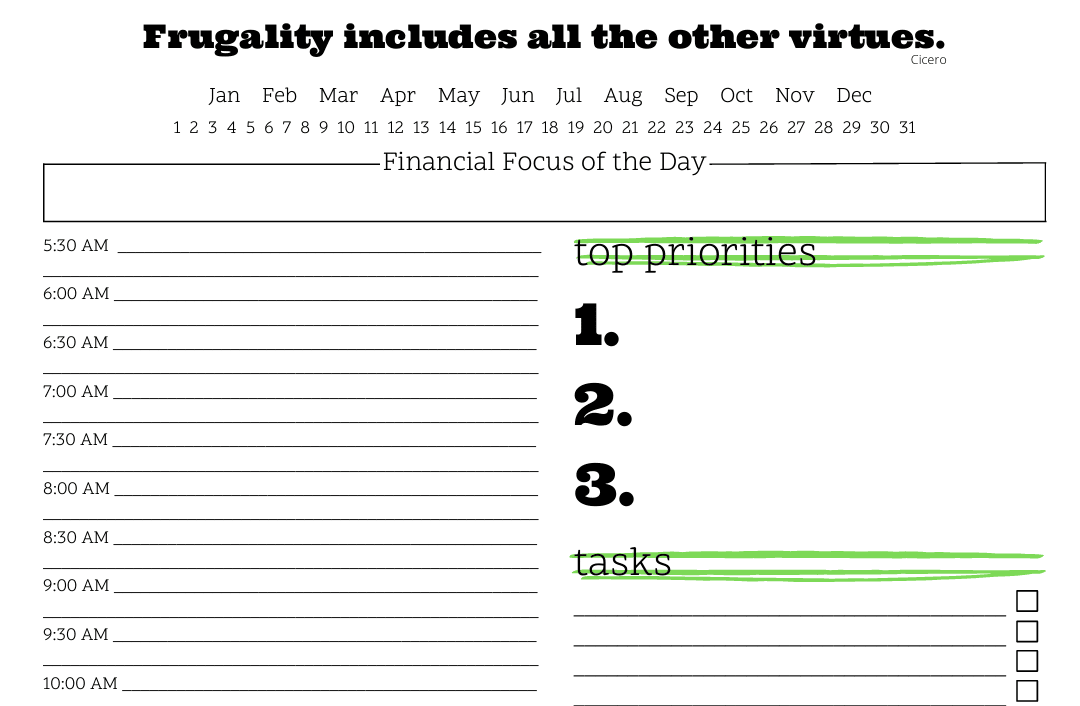
Subscribe to get a free daily budget planner printable to help get your money on track!
Make passive money the right way. No spam.
Editorial Disclaimer: The editorial content on this page is not provided by any of the companies mentioned. The opinions expressed here are the author's alone.
The content of this website is for informational purposes only and does not represent investment advice, or an offer or solicitation to buy or sell any security, investment, or product. Investors are encouraged to do their own due diligence, and, if necessary, consult professional advising before making any investment decisions. Investing involves a high degree of risk, and financial losses may occur including the potential loss of principal.
Source Citation References:
+ Inspo
There are no additional citations or references to note for this article at this time.