


This article may contain references to products or services from one or more of our advertisers or partners. We may receive compensation when you click on links to those products or services. Nonetheless, our opinions are our own.
The information presented in this article is accurate to the best of our knowledge at the time of publication. However, information is subject to change, and no guarantees are made about the continued accuracy or completeness of this content after its publication date.

- Financial Planning for Doctors
- Why Financial Planning Is Challenging for Doctors
- Benefits of Hiring A Financial Advisor
- Is a Financial Advisor Truly Necessary for You?
- Crafting Your Own Financial Plan
- When Should You Reconsider Hiring a Financial Advisor?
- Frequently Asked Questions
- What are the primary financial challenges doctors face?
- Why might a financial advisor be beneficial for doctors?
- Could a better financial plan suffice instead of hiring an advisor?
- What are the signs that a doctor might need a financial advisor?
- How should doctors choose a financial advisor?
- What are some DIY strategies doctors can use?
- Can doctors effectively manage both their practice and finances?
- Closing Remarks On Physician Financial Planning
- Recommended Reads
Financial Planning for Doctors
Doctors face unique financial challenges, from high student debt to irregular income patterns and practice overhead costs. Even with excellent medical training, navigating investments, taxes, retirement, and insurance can feel overwhelming. Determining whether to hire a financial advisor or create a DIY plan is a vital decision that affects long-term financial health. Current data on debt and practice expenses underscores the complexity many physicians face.
Why Financial Planning Is Challenging for Doctors
Physicians often juggle student loans, practice expenses, and variable income streams that shift with schedules, call pay, and reimbursement cycles. Balancing patient care with portfolio management, tax strategy, and insurance reviews can strain time and attention. Without a structured approach, small decisions compound into costly inefficiencies over time. Independent validation shows rising training costs and evolving overhead pressures for practices.
Benefits of Hiring A Financial Advisor
Engaging a financial advisor can provide clarity, efficiency, and strategies that are difficult to execute alone. Advisors synthesize investment, tax, retirement, and insurance planning into an integrated roadmap tailored to a physician’s stage and risk profile. A third-party perspective helps uncover blind spots and keep goals on track during busy clinical seasons. Accountability and scheduled reviews reduce decision fatigue and help maintain disciplined progress.
Expertise Matters
Advisors understand tax-efficient investing, retirement plan coordination, and insurance fit for complex medical careers. They evaluate your entire financial picture and prioritize actions that produce measurable results. Guidance on items like wash-sale rules and basis tracking protects tax alpha in volatile markets. These skills are grounded in well-defined IRS rules and publications.
A Fresh Perspective
An advisor’s outside view can reveal concentration risk, coverage gaps, or inefficient debt payoff sequencing. Regular check-ins help recalibrate goals as compensation models, practice ownership, or family needs change. This perspective also clarifies tradeoffs between aggressive saving and lifestyle spending. Many physicians report that structured guidance reduces stress and improves follow-through.
Stress Reduction And Accountability
DIY management can become anxiety-inducing amid call schedules and charting demands. Advisors create systems for budgeting, rebalancing, and tax planning so physicians can focus on patients and personal life. Clear milestones and reminders encourage consistent contributions and on-time actions. Over years, this accountability compounds into stronger net worth and confidence.
Advanced Strategies for Wealth Building
Professionals can implement tax-loss harvesting, asset location, and withdrawal sequencing to improve after-tax returns. They also plan for the step-up in basis at death when relevant and coordinate 401(k), 403(b), 457(b), and IRA contributions. These tactics rely on current tax rules and contribution limits set by the IRS. Staying aligned with updated guidance helps avoid penalties and capture opportunities.
Voted "Best Overall Budgeting App" by Forbes and WSJ
Monarch Money helps you budget, track spending, set goals, and plan your financial future—all in one app.
Get 50% OFF your first year with code MONARCHVIP


Is a Financial Advisor Truly Necessary for You?
Hiring an advisor is not always necessary, and many physicians succeed with a disciplined DIY plan. The right approach depends on time, interest, and the complexity of income, practice structure, and goals. Early-career doctors with simpler finances may get far with budgeting, emergency funds, and basic index investing. As variables multiply, the value of expert coordination generally rises.
Your Financial Landscape
Residents and new attendings often manage student loans, a car payment, and core living expenses. For this group, establishing cash flow awareness and automating savings deliver most of the early gains. A simple three-fund diversified portfolio can meet long-term needs while minimizing maintenance. As compensation increases, adding tax strategy and risk management becomes more important.
Self-Education And DIY Planning
Doctors can learn personal finance through reputable books, courses, and regulated platforms. Robo-advisors provide automated portfolios, goal tracking, and rebalancing that lower the barrier to positive habits. These services are delivered by SEC-registered advisers with clear disclosures about scope and limitations. Verified documents outline how these firms operate and serve clients.
Future Goals And Comfort Level
Consider goals such as home purchase timing, college funding, financial independence, or practice buy-in. If ambitions are complex or time-sensitive, professional advice may accelerate results. Comfort with the risk, taxes, and insurance design should guide the decision to DIY or hire. Revisit the choice annually as circumstances evolve.
Crafting Your Own Financial Plan
For doctors pursuing a DIY approach, build a checklist that covers cash flow, protections, investing, and taxes. Keep processes simple and automate wherever possible to reduce the need for constant decisions. Validate rules and limits with primary sources before acting. Rebalance and review at least annually to stay aligned with goals and life events.
- Budgeting Tips: Track income and expenses with a system you will actually use, and categorize savings as a non-negotiable bill. Automate transfers on payday to allocate funds for investments and to pay off debt. Review spending quarterly to identify drift before it compounds. Keep a one-page cash-flow snapshot for quick decisions.
- Emergency Fund Necessities: Target three to six months of necessary expenses in a liquid account. Build it gradually with automatic deposits until fully funded. Refill the fund after unexpected expenses to maintain resilience. Consider a separate high-yield account to avoid spending temptations.
- Retirement Planning: Maximize employer-sponsored plans like 401(k) or 403(b), then consider backdoor or spousal IRAs if eligible. Check current IRS limits and phaseouts annually before contributing. If your plan permits, familiarize yourself with the higher catch-up contributions for ages 60 to 63, as well as the standard catch-up contributions for age 50. Please ensure that plan rules and payroll deadlines are confirmed early each year.
- Investment Strategies: Document risk tolerance and stick to diversified, low-cost funds that match your time horizon. Automate contributions and periodic rebalancing to avoid timing mistakes. If using a robo-advisor, review its ADV brochure and client disclosures. Reassess allocation after major life events or income changes.
- Tax Planning Basics: Before harvesting losses, understand wash-sale rules and maintain accurate records to track your basis. For inherited assets, review step-ups based on guidance to model potential outcomes. Coordinate tax moves with your preparer, especially in high-income years. Use primary IRS publications for decisions and documentation.
When Should You Reconsider Hiring a Financial Advisor?
Seek professional help if rising income, multiple accounts, or equity compensation create complexity. Add support when you feel persistently overwhelmed or procrastinating on vital tasks. Major life events, such as marriage, divorce, children, or practice ownership changes, are natural inflection points. Ambitious timelines for financial independence or large purchases also benefit from expert planning.
Frequently Asked Questions
What are the primary financial challenges doctors face?
Doctors often manage high student debt, practice overhead, and variable income. Balancing patient care with long-term planning is difficult but necessary. Reliable sources document the debt burden and evolving practice costs. Staying organized helps mitigate these pressures.
Why might a financial advisor be beneficial for doctors?
Advisors integrate investments, retirement design, tax efficiency, and insurance into a cohesive plan. They provide accountability that keeps actions aligned with goals. Expert guidance helps avoid common mistakes during busy clinical periods. Documented tax rules and contribution limits inform these strategies.
Could a better financial plan suffice instead of hiring an advisor?
Yes, physicians can succeed with a disciplined DIY approach. Automated platforms and clear checklists reduce friction and error. Verified disclosures explain how robo-advisers operate and where their scope ends. Review these materials before relying on any tool.
What are the signs that a doctor might need a financial advisor?
Consider help if decisions feel overwhelming or if you miss deadlines for vital actions. Complexity from multiple accounts, changing compensation, or major life events increases the payoff of advice. Advisors can coordinate tax planning with investment and insurance choices. This coordination becomes more valuable as stakes rise.
How should doctors choose a financial advisor?
Seek a fiduciary with experience serving medical professionals and transparent fees. Ask about the planning process, investment philosophy, and tax coordination. Verify registration and disclosures on official databases. Request references from peers in similar specialties.
What are some DIY strategies doctors can use?
Set clear goals, automate savings, and maintain a diversified portfolio. Fund an emergency reserve and schedule periodic reviews. Use primary IRS resources for rules and limits before acting. Keep a one-page plan to guide routine decisions.
Can doctors effectively manage both their practice and finances?
Yes, with prioritization and selective delegation. Automating routine tasks and calendaring reviews reduces cognitive load. Outsourcing complex items can free time for practice and family. The right mix evolves as career stages change.
Closing Remarks On Physician Financial Planning
This guide helps doctors decide between professional advice and a disciplined DIY plan that fits their realities. It translates current rules and limits into practical actions anchored by credible sources. The structure and FAQs are designed for search visibility and reader value. Use the plan today, revisit annually, and adapt as your practice and life change. A thoughtful, well-documented approach builds confidence and long-term wealth.

Reviewed and edited by Albert Fang.
See a typo or want to suggest an edit/revision to the content? Use the contact us form to provide feedback.
At FangWallet, we value editorial integrity and open collaboration in curating quality content for readers to enjoy. Much appreciated for the assist.
Did you like our article and find it insightful? We encourage sharing the article link with family and friends to benefit as well - better yet, sharing on social media. Thank you for the support! 🍉
Article Title: Should Doctors Hire a Financial Advisor?
https://fangwallet.com/2025/12/07/should-doctors-hire-a-financial-advisor/The FangWallet Promise
FangWallet is an editorially independent resource - founded on breaking down challenging financial concepts for anyone to understand since 2014. While we adhere to editorial integrity, note that this post may contain references to products from our partners.
The FangWallet promise is always to have your best interest in mind and be transparent and honest about the financial picture.
Become an Insider
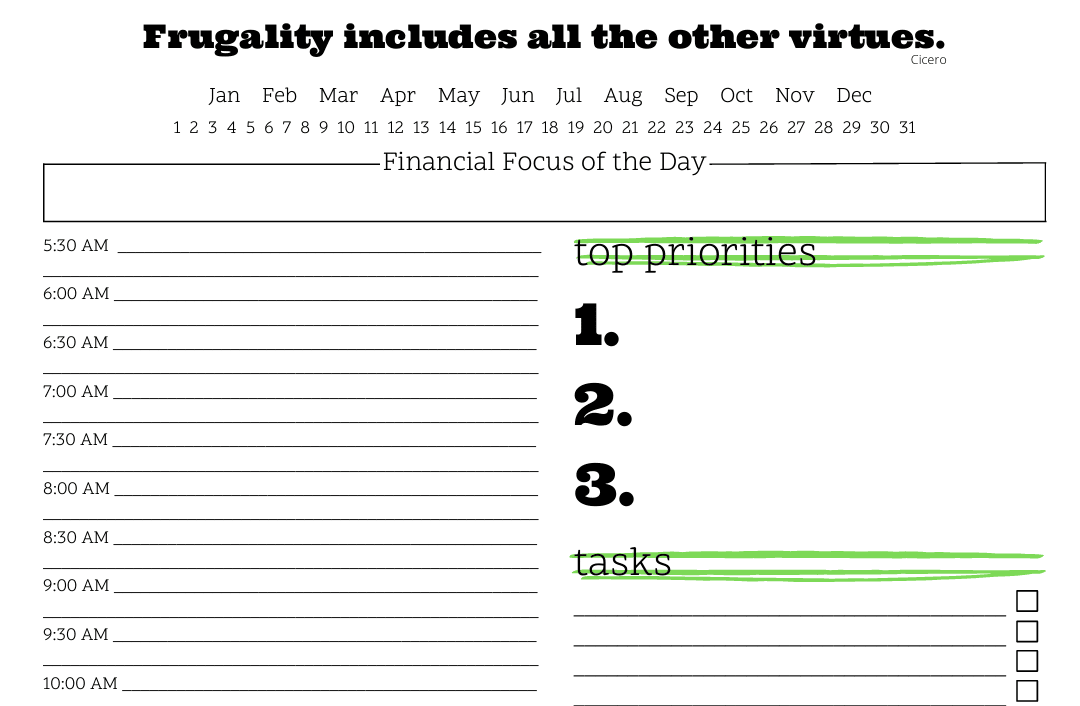
Subscribe to get a free daily budget planner printable to help get your money on track!
Make passive money the right way. No spam.
Editorial Disclaimer: The editorial content on this page is not provided by any of the companies mentioned. The opinions expressed here are the author's alone.
The content of this website is for informational purposes only and does not represent investment advice, or an offer or solicitation to buy or sell any security, investment, or product. Investors are encouraged to do their own due diligence, and, if necessary, consult professional advising before making any investment decisions. Investing involves a high degree of risk, and financial losses may occur including the potential loss of principal.
Source Citation References:
+ Inspo
There are no additional citations or references to note for this article at this time.