


This article may contain references to products or services from one or more of our advertisers or partners. We may receive compensation when you click on links to those products or services. Nonetheless, our opinions are our own.
The information presented in this article is accurate to the best of our knowledge at the time of publication. However, information is subject to change, and no guarantees are made about the continued accuracy or completeness of this content after its publication date.

Running an Applied Behavior Analysis (ABA) clinic is as much a financial operation as it is a clinical one. For most clinics, insurance reimbursements, especially for autism services, are the primary source of revenue. When insurance processes break down, cash flow suffers, staff morale declines, and long-term growth becomes more challenging to sustain. If dealing with insurance feels like a constant source of stress, you are not alone. Most revenue problems do not stem from a single big mistake. They come from minor, repeated friction points between clinics, insurers, and regulations. Below, we walk through the most common insurance-related challenges ABA clinics face, explain how they affect your clinic financially, and outline practical ways to reduce risk, even if you do not have a large administrative team.
- Why ABA Insurance Claims Are Denied So Often
- Authorization Mismatches
- Credentialing and Supervision Issues
- Documentation Gaps
- Medicaid vs. Commercial Insurance: Why the Rules Feel So Different
- Medicaid Variability by State
- Commercial Payer Complexity
- Prior authorization delays
- Supervision ratio rules
- Increased audit risk
- Standardize insurance workflows
- Improve documentation habits
- Use specialized support when needed.
- Know when outsourcing makes financial sense.
- Recommended Reads
Why ABA Insurance Claims Are Denied So Often
Claim denials are one of the biggest threats to predictable revenue for ABA clinics. While each denial may seem minor, together they can create serious cash-flow gaps. In ABA care, denials are widespread because insurers enforce strict authorization limits, credentialing requirements, and detailed documentation standards that vary by payer.

Many denials happen when the services delivered do not precisely match what was approved. This can include exceeding authorized hours, using a different service code than expected, or submitting claims under the wrong provider type. Even minor mismatches can result in unpaid claims or delayed reimbursement, tying up revenue for weeks or months.
Credentialing and Supervision Issues
ABA services often involve multiple provider roles, such as Board Certified Behavior Analysts (BCBAs) and Registered Behavior Technicians (RBTs). Claims may be rejected if a clinician’s credentials are not fully set up with the insurer, supervision ratios do not meet payer rules, or supervising providers are not adequately linked to sessions. These issues are prevalent in growing clinics onboarding new staff.
Documentation Gaps
Insurers increasingly expect detailed session notes that clearly justify medical necessity. Missing details, such as goals addressed, time spent, or supervision provided, can trigger denials or audits. Over time, inconsistent documentation leads to more rework and delayed payments.
Medicaid vs. Commercial Insurance: Why the Rules Feel So Different
Insurance complexity increases because Medicaid and commercial plans operate under very different systems.
Medicaid Variability by State
Medicaid coverage for ABA therapy is regulated at the state level. This means that authorization limits vary widely, documentation expectations differ among managed care organizations, and timelines for payment and appeals are inconsistent.
What works in one state, or even one Medicaid plan, may not work in another.
Commercial Payer Complexity
Commercial insurers follow autism insurance mandates but still impose their own requirements around session structure, telehealth usage, and supervision documentation.

For clinics working with multiple payers, this creates administrative strain and increases the risk of errors.
Operational Pressure Points That Impact Cash Flow
Insurance challenges do not exist in isolation. They show up as day-to-day operational stress.
Waiting for approvals is one of the most common causes of revenue disruption. Services may need to be paused or delivered at financial risk while decisions are pending.
Supervision ratio rules
If supervision requirements are not met or clearly documented, sessions may become non-billable. Over time, this can quietly erode revenue without being immediately apparent.
Increased audit risk
ABA clinics face heightened scrutiny due to past concerns about fraud in the industry. Audits and payment recoupments are becoming more common, particularly for higher-volume providers.
Practical, Scalable Solutions for ABA Clinics
The good news is that many insurance-related problems can be prevented with the right systems in place.
Standardize insurance workflows
Clear, repeatable workflows reduce errors. This includes checklists for authorizations before service initiation, clear internal guidelines for service codes, and defined handoffs between clinical and administrative staff. Clinics that standardize these processes tend to see fewer claim issues over time.
Improve documentation habits
Strong documentation is not just about compliance; it is about protecting revenue. Simple improvements include using templates for session notes, training staff on what insurers look for, and reviewing records before submitting claims.
These steps can significantly reduce rework and the volume of appeals.
Use specialized support when needed.
Some clinics find it cost-effective to bring in external support that focuses specifically on ABA insurance workflows. For example, working with firms like Missing Piece ABA Billing can help clinics streamline claim submission, reduce denial risk, and alleviate pressure on internal teams without requiring in-depth in-house expertise.
Know when outsourcing makes financial sense.
For many small to mid-sized clinics, outsourcing insurance administration can be a more cost-effective option than managing everything internally. This may make sense if denials are consistently high, staff are overwhelmed or at risk of burnout, or the clinic is expanding into new states or payer networks.
The key is evaluating these decisions as a financial investment, not just an administrative expense.
Revenue Stability Starts With Strong Systems
Insurance administration is not just paperwork. It is the system that keeps your clinic financially stable. Inefficient processes lead to unpredictable revenue, staffing challenges, and a limited ability to grow or consistently serve families. By understanding where problems typically arise and implementing preventive systems, you can reduce revenue leakage, protect cash flow, and build a more sustainable clinic without needing to become an insurance expert yourself.
Voted "Best Overall Budgeting App" by Forbes and WSJ
Monarch Money helps you budget, track spending, set goals, and plan your financial future—all in one app.
Get 50% OFF your first year with code MONARCHVIP


Recommended Reads
- The Future of Medicine: Why Doctors Should Embrace AI Side Gigs Career
- What Is the Difference Between a Billing Address and a Shipping Address? Personal
- SurePayroll vs HomePay: Comparing the Best Payroll Solutions Reviews
- Best Pet Insurance in Texas Insurance
- What is Petty Cash and How Can It Be Detrimental to Your Business? Business
- Billing for Disaster and Emergency Management Law Legal
- Wellhub vs ClassPass: A Detailed Comparison Frugal Living
- How to Choose: Priceline vs CheapOair for Best Airfare Deals Travel
- Mobile-first Banking for Health and Finance Access Banking
- Level Up Your Setup with Gaming Desktop Black Friday Sales in 2025 Deals

Reviewed and edited by Albert Fang.
See a typo or want to suggest an edit/revision to the content? Use the contact us form to provide feedback.
At FangWallet, we value editorial integrity and open collaboration in curating quality content for readers to enjoy. Much appreciated for the assist.
Did you like our article and find it insightful? We encourage sharing the article link with family and friends to benefit as well - better yet, sharing on social media. Thank you for the support! 🍉
Article Title: Solving Insurance Billing Challenges Facing ABA Clinics
https://fangwallet.com/2026/01/06/solving-insurance-billing-challenges-facing-aba-clinics/The FangWallet Promise
FangWallet is an editorially independent resource - founded on breaking down challenging financial concepts for anyone to understand since 2014. While we adhere to editorial integrity, note that this post may contain references to products from our partners.
The FangWallet promise is always to have your best interest in mind and be transparent and honest about the financial picture.
Become an Insider
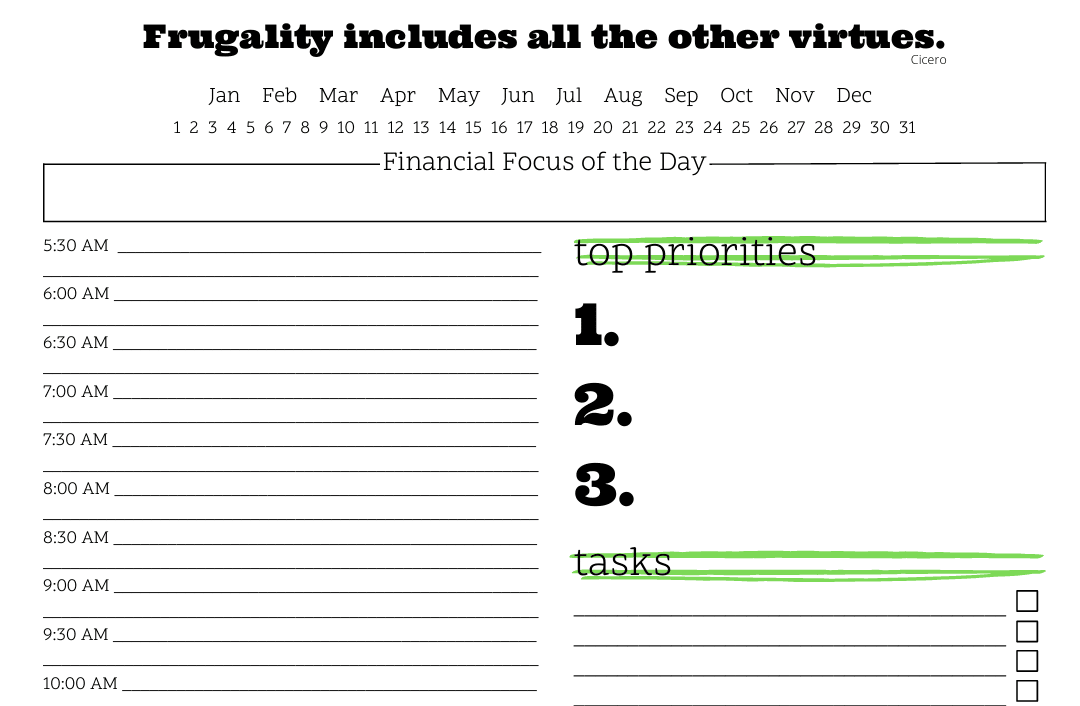
Subscribe to get a free daily budget planner printable to help get your money on track!
Make passive money the right way. No spam.
Editorial Disclaimer: The editorial content on this page is not provided by any of the companies mentioned. The opinions expressed here are the author's alone.
The content of this website is for informational purposes only and does not represent investment advice, or an offer or solicitation to buy or sell any security, investment, or product. Investors are encouraged to do their own due diligence, and, if necessary, consult professional advising before making any investment decisions. Investing involves a high degree of risk, and financial losses may occur including the potential loss of principal.
Source Citation References:
+ Inspo
There are no additional citations or references to note for this article at this time.