

This article may contain references to products or services from one or more of our advertisers or partners. We may receive compensation when you click on links to those products or services. Nonetheless, our opinions are our own.
The information presented in this article is accurate to the best of our knowledge at the time of publication. However, information is subject to change, and no guarantees are made about the continued accuracy or completeness of this content after its publication date.

Rewards still matter, but they no longer tell the full story. As everyday payments get faster across apps and bank transfers, many people are quietly adjusting what they expect from a credit card. Waiting days for a charge to post or a refund to appear now feels out of step with how money moves elsewhere.
That shift isn’t happening in a vacuum. Real-time payment systems have trained consumers to expect immediate confirmation, instant balance updates, and fewer steps between action and result. Against that backdrop, credit cards are being judged on something new: speed and friction, not just points.
The real question is whether these instant features actually change how you choose a card, or if they’re just nice extras. For a growing number of everyday users, the answer is becoming clearer.
What Instant Payments Actually Mean
Instant payments aren’t just about moving money faster. They’re about removing uncertainty. When a transaction settles in real time, you know exactly where you stand, which makes budgeting and cash flow far easier to manage.
That expectation is spreading from bank transfers into other digital experiences. People are getting used to friction-free access across subscriptions, shopping apps, and even entertainment platforms that prioritise speed over formality. Some niche services highlight this extreme focus on immediacy, as seen in guides that explains how no registration casinos work by showing how instant payments eliminate traditional sign-up delays. The model isn’t about gambling itself, but about how quickly users can move from intent to action.
Credit cards are now being compared against that benchmark. If a card can’t approve a purchase instantly or reflect it in your available credit, it starts to feel dated. Speed, in this context, becomes part of the product experience.
Where Speed Matters Most
Authorisation speed is one of the most visible pressure points. Whether you’re tapping to pay at a supermarket or checking out online, delays break trust. Cards that approve instantly, with minimal false declines, feel more reliable in daily life.
Refunds may matter even more. Waiting five business days for money to return can disrupt a carefully planned budget. As real-time payment rails expand, consumers increasingly expect refunds to show up almost immediately, not at some vague point next week.
That expectation has been shaped by broader payment infrastructure growth. By Q2 last year, FedNow processed roughly 2.1 million transactions worth nearly $246 billion, reflecting how quickly real-time settlement is becoming normalised. Once people experience that speed elsewhere, slower card updates stand out.
Voted "Best Overall Budgeting App" by Forbes and WSJ
Monarch Money helps you budget, track spending, set goals, and plan your financial future—all in one app.
Get 50% OFF your first year with code MONARCHVIP


Fees, Security, And Tradeoffs
Faster payments don’t come without tradeoffs. Instant decisioning requires more advanced systems working behind the scenes, from tokenisation to AI-driven fraud checks. The upside is fewer interruptions. The downside can be stricter controls when something looks off.
Some cardholders worry that speed could increase risk. In practice, many issuers are using real-time data to block fraud earlier, not later. Decisions happen in milliseconds, which can be more precise than older batch-based reviews.
Fees also enter the picture. While consumers rarely pay directly for faster authorisations, premium cards may quietly bundle these capabilities with higher annual fees. The key is understanding whether the convenience actually supports your spending habits.
Choosing Cards For Faster Access
When comparing cards in 2026, it helps to look beyond the headline rewards rate. Ask how quickly purchases post, how fast refunds are credited, and whether alerts update in real time. These details shape how usable a card feels day to day.
For people managing tight monthly budgets, instant updates can prevent overspending before it happens. For frequent online shoppers, faster refunds reduce the stress of returns. Convenience isn’t flashy, but it adds up.
Credit cards are no longer competing only with each other. They’re competing with the broader expectation that money should move instantly. Choosing a card that keeps up may be less about chasing points, and more about choosing calm, predictable control over your finances.

Reviewed and edited by Albert Fang.
See a typo or want to suggest an edit/revision to the content? Use the contact us form to provide feedback.
At FangWallet, we value editorial integrity and open collaboration in curating quality content for readers to enjoy. Much appreciated for the assist.
Did you like our article and find it insightful? We encourage sharing the article link with family and friends to benefit as well - better yet, sharing on social media. Thank you for the support! 🍉
Article Title: Do Instant Payment Features Change How You Choose A Credit Card?
https://fangwallet.com/2026/01/21/do-instant-payment-features-change-how-you-choose-a-credit-card/The FangWallet Promise
FangWallet is an editorially independent resource - founded on breaking down challenging financial concepts for anyone to understand since 2014. While we adhere to editorial integrity, note that this post may contain references to products from our partners.
The FangWallet promise is always to have your best interest in mind and be transparent and honest about the financial picture.
Become an Insider
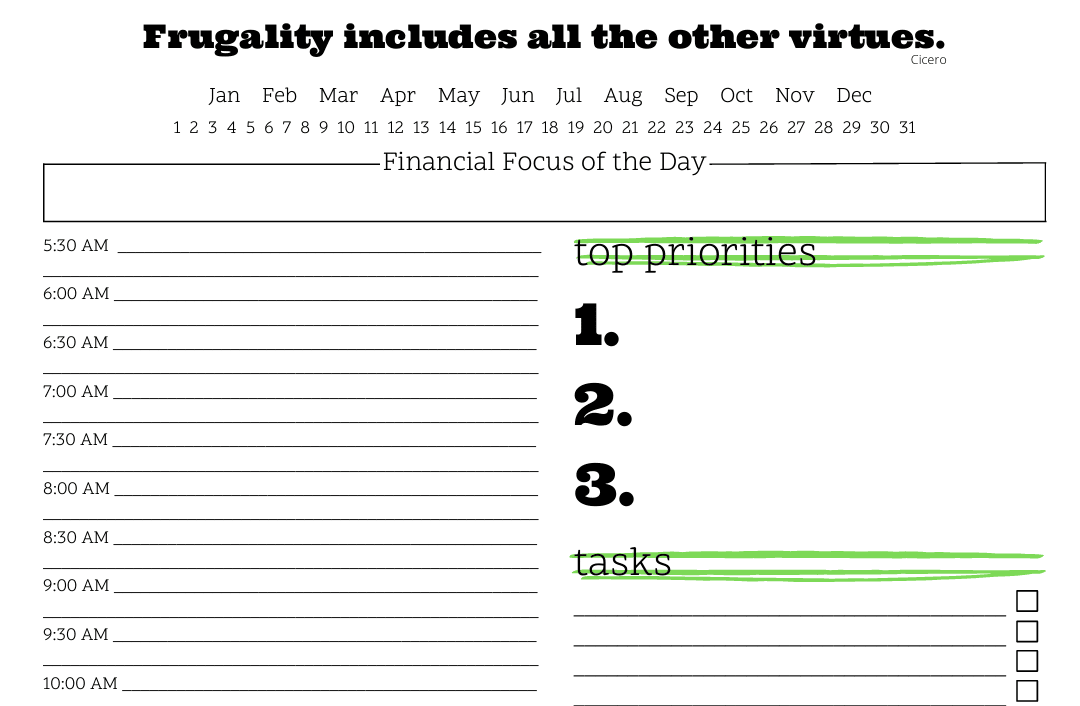
Subscribe to get a free daily budget planner printable to help get your money on track!
Make passive money the right way. No spam.
Editorial Disclaimer: The editorial content on this page is not provided by any of the companies mentioned. The opinions expressed here are the author's alone.
The content of this website is for informational purposes only and does not represent investment advice, or an offer or solicitation to buy or sell any security, investment, or product. Investors are encouraged to do their own due diligence, and, if necessary, consult professional advising before making any investment decisions. Investing involves a high degree of risk, and financial losses may occur including the potential loss of principal.
Source Citation References:
+ Inspo
There are no additional citations or references to note for this article at this time.