

This article may contain references to products or services from one or more of our advertisers or partners. We may receive compensation when you click on links to those products or services. Nonetheless, our opinions are our own.
The information presented in this article is accurate to the best of our knowledge at the time of publication. However, information is subject to change, and no guarantees are made about the continued accuracy or completeness of this content after its publication date.

High earners usually spend years learning how to make money, then almost no time learning how to keep it. That’s an expensive mistake. Income can be strong, bonuses can roll in, and equity can vest on schedule, yet wealth still slips through the cracks through taxes, lawsuits, bad lending, poor timing, and plain old lifestyle creep. The people winning this year are not always the highest earners. They’re the ones building defenses around what they’ve already created.
Cash Flow Still Runs the Show
Protection starts with liquidity. Not glamorous. Still true.
A surprising number of professionals have impressive incomes and weak cash reserves. Large mortgage payments, school fees, travel habits, and subscription clutter can quietly turn a strong salary into a fragile setup. The smartest households are rebuilding cash buffers with intention. Three to six months of core expenses is common. Some go further if commissions or business revenue swings month to month.
One advisor recently shared that a client earning well into six figures had to sell investments during a market dip because there was no emergency fund. Painful timing. Avoidable too.
Many families now pair that reserve with holistic financial planning, where tax strategy, estate documents, insurance, debt structure, and investment decisions work together instead of fighting each other.
Legal Gaps Can Cost More Than Market Losses
People obsess over returns and ignore liability. Strange behavior, honestly.
As income rises, visibility rises with it. Business ownership, rental property exposure, partnership disputes, and family claims all become more relevant. High earners are reviewing trusts, updating wills, checking beneficiary designations, and tightening business contracts before problems show up. Waiting until conflict begins is like buying an umbrella after getting soaked.
Real estate owners are also seeking guidance from a property lawyer before refinancing, transferring ownership, or signing development agreements. Small legal errors can become giant financial headaches later.
This is not fear-based planning. It’s cleanup. Smart cleanup.
Hard Assets Are Back in the Conversation
When inflation sticks around and markets feel jumpy, investors start craving assets they can actually point to. That’s why tangible stores of value are back in style this year.
Gold continues to attract attention, especially among households that already have broad market exposure. Not because it’s magical. Because it behaves differently than some paper assets during uncertain periods. The debate never ends, but interest is real.
That also explains the renewed talk around storing bullion safely through insured vaulting services rather than keeping valuables in a closet beside old tax files and a treadmill no one uses.
High earners tend to appreciate optionality. Tangible assets can offer some of that when used sensibly.
Voted "Best Overall Budgeting App" by Forbes and WSJ
Monarch Money helps you budget, track spending, set goals, and plan your financial future—all in one app.
Get 50% OFF your first year with code MONARCHVIP


Debt Is Being Used More Carefully
There was a stretch when cheap money made almost every loan look clever. That era changed. Borrowing decisions now face tougher scrutiny, and that’s healthy.
Savvy investors are stress-testing repayments, checking refinance risk, and comparing fixed versus variable structures with more discipline. They are asking boring questions, which usually lead to good outcomes. What happens if rates rise again? What if a tenant leaves? What if revenue slows for six months?
For business expansion or income-producing real estate, some are still using a commercial investment loan, but with tighter cash projections and stronger contingency reserves than in previous years.
Leverage can build wealth. It can also punch holes in it. Respect matters.
Buying Better Beats Buying More
A lot of wealth gets lost at the purchase stage. Overpaying by 8 percent on a major asset can undo years of careful saving. Yet many people will negotiate a phone plan harder than a property deal worth hundreds of thousands.
That is why experienced earners increasingly lean on specialists, data, and local market insight before making big moves. In competitive housing markets, buying agents are often used to assess value, negotiate terms, and keep emotion from driving the decision.
Emotion is expensive. Numbers are calmer.
The last time a client ignored independent advice on a rushed purchase, the renovation budget blew out within months. Nobody enjoyed that lesson.
Insurance Is Finally Getting Attention Again
Insurance used to be the drawer nobody opened. This year, more households are reviewing it line by line.
Income protection, umbrella liability coverage, business interruption policies, and updated replacement values are all back on the checklist. That makes sense. A single health event or legal dispute can create more damage than a rough quarter in the market.
The trick is not buying every policy sold with a glossy brochure and a dramatic headline. It’s matching cover to real risk.
Quiet Wealth Usually Wins
The strongest wealth protection strategy rarely looks flashy. It looks organized. Accounts are titled correctly. Debt is manageable. Cash is available. Insurance fits. Legal documents are current. Investments are diversified. Big purchases are researched, not rushed.
That’s the pattern showing up again and again this year.
High earners who keep chasing only growth may still do well. Those who defend what they’ve built tend to sleep better too. And sleep, while annoyingly hard to quantify, might be one of the best returns available.

Reviewed and edited by Albert Fang.
See a typo or want to suggest an edit/revision to the content? Use the contact us form to provide feedback.
At FangWallet, we value editorial integrity and open collaboration in curating quality content for readers to enjoy. Much appreciated for the assist.
Did you like our article and find it insightful? We encourage sharing the article link with family and friends to benefit as well - better yet, sharing on social media. Thank you for the support! 🍉
Article Title: Wealth Protection Strategies High Earners Are Using This Year
https://fangwallet.com/2026/04/30/wealth-protection-strategies-high-earners-are-using-this-year/The FangWallet Promise
FangWallet is an editorially independent resource - founded on breaking down challenging financial concepts for anyone to understand since 2014. While we adhere to editorial integrity, note that this post may contain references to products from our partners.
The FangWallet promise is always to have your best interest in mind and be transparent and honest about the financial picture.
Become an Insider
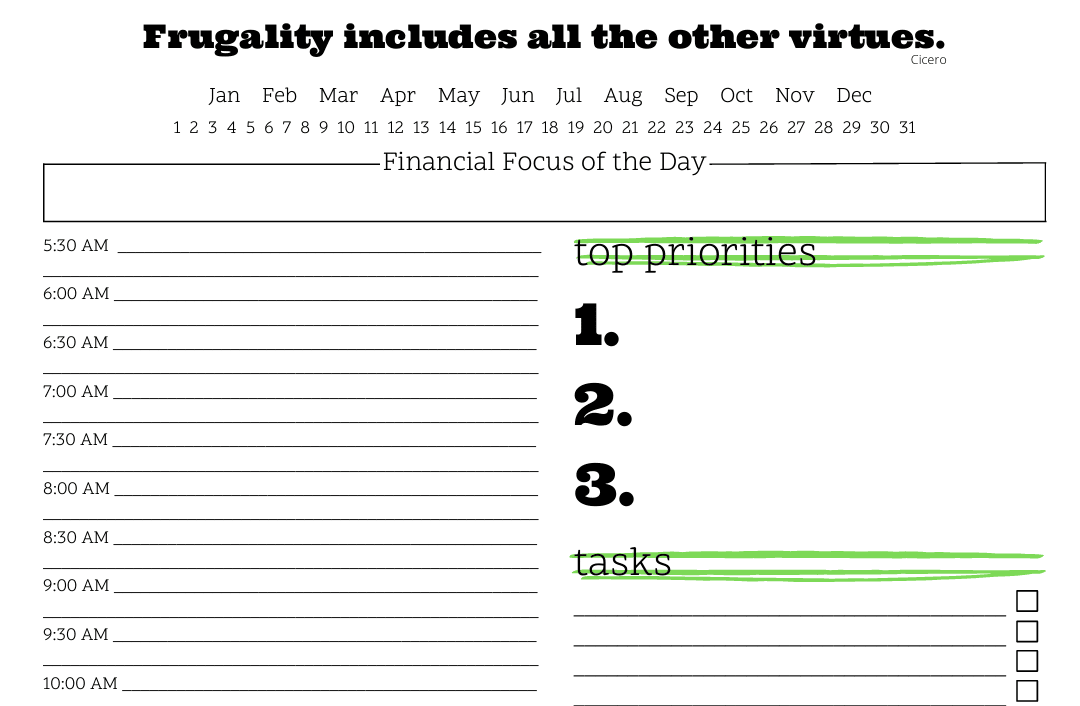
Subscribe to get a free daily budget planner printable to help get your money on track!
Make passive money the right way. No spam.
Editorial Disclaimer: The editorial content on this page is not provided by any of the companies mentioned. The opinions expressed here are the author's alone.
The content of this website is for informational purposes only and does not represent investment advice, or an offer or solicitation to buy or sell any security, investment, or product. Investors are encouraged to do their own due diligence, and, if necessary, consult professional advising before making any investment decisions. Investing involves a high degree of risk, and financial losses may occur including the potential loss of principal.
Source Citation References:
+ Inspo
There are no additional citations or references to note for this article at this time.