

This article may contain references to products or services from one or more of our advertisers or partners. We may receive compensation when you click on links to those products or services. Nonetheless, our opinions are our own.
The information presented in this article is accurate to the best of our knowledge at the time of publication. However, information is subject to change, and no guarantees are made about the continued accuracy or completeness of this content after its publication date.


Updated by Albert Fang
In 2025, affordable and healthy eating tips are more valuable than ever. Rising grocery costs have left families, students, and professionals searching for practical ways to stretch their budgets without sacrificing nutrition. Many assume that eating well requires pricey organic products or strict diets, but that’s not the case. With a few smart strategies, it’s possible to enjoy nourishing meals while keeping costs under control.
From planning weekly menus to making the most of seasonal produce and cooking more meals at home, affordable and healthy eating is achievable for every household. These tips not only reduce grocery bills but also improve long-term health by focusing on whole, nutrient-dense foods. Below are ten practical strategies, plus a helpful comparison table, to make healthy and budget-friendly eating simple in 2025.
- Top 10 Easy and Affordable Eating Tips
- 1. Plan Meals Ahead for Affordable and Healthy Eating
- 2. Choose Seasonal Produce for Better Value
- 3. Buy in Bulk for Everyday Staples
- 4. Cook More Meals at Home
- 5. Reduce Food Waste and Save Money
- 6. Opt for Budget-Friendly Protein Sources
- 7. Make Snacks Healthier and Cheaper
- 8. Add Whole Grains to Your Pantry
- 9. Explore Community Resources
- 10. Balance Affordability with Nutrition
- Comparison of Affordable and Healthy Eating Strategies
- How to Apply Affordable and Healthy Eating Strategies Effectively
- 1. Meal Planning in Practice
- 2. Maximizing Seasonal Produce
- 3. Bulk Buying for Everyday Staples
- 4. Cooking More Meals at Home
- 5. Reducing Food Waste
- 6. Budget-Friendly Protein Sources
- 7. Healthy Snack Preparation
- 8. Whole Grains in the Pantry
- 9. Leveraging Community Resources
- 10. Balancing Affordability with Nutrition
- Conclusion
- Frequently Asked Questions
- Recommended Reads
Top 10 Easy and Affordable Eating Tips
1. Plan Meals Ahead for Affordable and Healthy Eating
A little planning goes a long way. By creating a weekly meal plan, grocery shopping becomes more focused and efficient. Fewer impulse buys mean lower bills, and portion control ensures food stretches further. Meal planning also reduces last-minute takeout orders, which tend to be both costly and less nutritious.
2. Choose Seasonal Produce for Better Value
One of the easiest ways to save is by buying fruits and vegetables that are in season. They’re fresher, more flavorful, and usually cost less than out-of-season imports. Farmers’ markets and local growers often provide great deals, making this one of the most reliable affordable and healthy eating tips in 2025.
3. Buy in Bulk for Everyday Staples
Items like rice, oats, beans, and lentils are much cheaper when purchased in bulk. These versatile staples form the base of countless meals and last for months in the pantry. Bulk buying is a cost-saving strategy that supports healthier eating compared to relying on processed convenience foods.
4. Cook More Meals at Home
Cooking at home is one of the most effective ways to cut food costs. It provides complete control over ingredients, portion sizes, and cooking methods. Even simple home-cooked meals are healthier and less expensive than dining out, making this a cornerstone of affordable and healthy eating.
5. Reduce Food Waste and Save Money
Every bit of food wasted is money lost. Freezing leftovers, repurposing ingredients, and storing food properly all help reduce waste. These habits maximize the value of groceries while lowering household expenses and supporting a more sustainable lifestyle.
6. Opt for Budget-Friendly Protein Sources
Protein doesn’t have to be expensive. Affordable options like eggs, lentils, canned tuna, chickpeas, and chicken thighs deliver excellent nutrition at a fraction of the cost of premium cuts of meat. Including these choices regularly ensures balanced meals without overspending.
7. Make Snacks Healthier and Cheaper
Packaged snacks often come with high price tags and little nutritional value. Instead, try homemade alternatives such as air-popped popcorn, roasted chickpeas, or cut veggies with hummus. They’re not only more affordable but also far healthier.
8. Add Whole Grains to Your Pantry
Whole grains like brown rice, quinoa, oats, and whole wheat pasta are inexpensive sources of long-lasting energy. When purchased in larger quantities, they provide excellent nutrition and variety at a low cost, making them a smart addition to any budget-conscious diet.
9. Explore Community Resources
Many communities offer affordable food programs such as food co-ops, CSA subscriptions, and discount grocery stores. These options expand access to fresh, nutritious food at lower prices, helping households save while supporting local growers and producers.
10. Balance Affordability with Nutrition
The best affordable and healthy eating tips encourage balance. Small substitutions such as swapping soda for water or trading processed snacks for homemade ones help cut costs while improving health. The goal is not to spend less at the expense of nutrition, but to make every dollar work harder toward better meals.
Comparison of Affordable and Healthy Eating Strategies
| Strategy | Benefits | Cost-Saving Impact |
|---|---|---|
| Meal Planning | Prevents impulse buying, ensures balanced meals | Saves up to 20% on groceries |
| Seasonal Produce | Fresher, nutrient-rich, supports local farmers | Lower prices during peak season |
| Bulk Buying | Reduces long-term costs | Cuts expenses by 15–30% |
| Cooking at Home | Healthier meals, better control | Cheaper than dining out |
| Reducing Waste | Maximizes grocery use | Saves hundreds annually |
| Budget Proteins | Affordable, nutritious | Lowers protein costs significantly |
| Healthy Snacks | Reduces processed food purchases | Improves diet and savings |
| Whole Grains | Cost-effective energy source | Long shelf life, low cost per serving |
| Community Resources | Expands affordable food options | Provides access to discounts |
| Balanced Choices | Combines savings with nutrition | Supports long-term wellness |
Voted "Best Overall Budgeting App" by Forbes and WSJ
Monarch Money helps you budget, track spending, set goals, and plan your financial future—all in one app.
Get 50% OFF your first year with code MONARCHVIP


How to Apply Affordable and Healthy Eating Strategies Effectively
Each strategy in the comparison table can be applied in practical ways to maximize savings and nutrition. Below are detailed tips and examples for implementing these approaches in daily life:
1. Meal Planning in Practice
Use a notebook, app, or spreadsheet to plan breakfast, lunch, dinner, and snacks for the week.
Check pantry and fridge before shopping to avoid buying duplicates.
Prepare a shopping list organized by store sections to save time and prevent impulse purchases.
Example: Plan two protein-rich meals using the same base ingredient, such as lentils or chicken, to minimize waste and maximize value.
2. Maximizing Seasonal Produce
Research local harvest calendars or farmers’ market schedules to buy fruits and vegetables at peak season.
Freeze surplus produce to use in smoothies, soups, or casseroles throughout the year.
Example: Buy summer berries in season, freeze them, and use them in yogurt or oatmeal instead of buying costly frozen imports.
3. Bulk Buying for Everyday Staples
Store grains, legumes, and dried herbs in airtight containers to extend shelf life.
Split bulk purchases with friends or family if storage space is limited.
Example: Buy a 10-pound bag of rice, divide it into smaller containers, and rotate use over months to reduce per-serving cost.
4. Cooking More Meals at Home
Batch-cook meals on weekends to reduce weekday cooking time.
Use slow cookers, air fryers, or instant pots to simplify meal prep and save energy costs.
Example: Prepare a large pot of vegetable stew, portion it for lunches and dinners, and freeze extras for later.
5. Reducing Food Waste
Store leftovers in clear containers so they are visible and eaten sooner.
Repurpose food scraps into soups, sauces, or vegetable stock.
Example: Use carrot tops for pesto or leftover rice to make fried rice instead of throwing it away.
6. Budget-Friendly Protein Sources
Rotate inexpensive proteins with occasional pricier cuts to maintain variety.
Canned or frozen protein options often cost less than fresh meat while retaining nutrition.
Example: Mix canned chickpeas into salads or stews as a plant-based protein alternative.
7. Healthy Snack Preparation
Pre-portion snacks to avoid overconsumption.
Experiment with low-cost, nutrient-rich ingredients like nuts, seeds, and whole-grain crackers.
Example: Roast a large batch of chickpeas with spices to create crunchy, protein-rich snacks for the week.
8. Whole Grains in the Pantry
Substitute refined grains with whole-grain alternatives in everyday recipes.
Cook grains in bulk and store for quick meals during the week.
Example: Use oats for overnight oatmeal, muffins, or homemade granola bars, reducing reliance on packaged breakfast items.
9. Leveraging Community Resources
Sign up for local CSA programs to get weekly boxes of fresh produce at lower prices.
Check community boards or apps for discounted grocery deals or co-op memberships.
Example: Join a neighborhood food co-op to buy fresh vegetables in bulk at wholesale prices.
10. Balancing Affordability with Nutrition
Focus on nutrient density rather than calorie count when choosing affordable foods.
Make small substitutions to reduce costs without sacrificing health.
Example: Swap sugary beverages for water or herbal tea, saving money while improving hydration and overall health.
Conclusion
Eating well doesn’t have to drain your budget. In 2025, affordable and healthy eating tips like meal planning, seasonal shopping, and bulk buying make it possible to keep costs low while enjoying nutritious meals. By focusing on whole foods, reducing waste, and making smart substitutions, households can save money and build healthier habits at the same time. With these ten strategies, balancing nutrition and affordability becomes not only possible but sustainable for the long term.
Frequently Asked Questions
What are the most effective affordable and healthy eating tips for families in 2025?
Meal planning, bulk shopping, and cooking at home offer the biggest savings while keeping meals nutritious.
Can affordable eating habits help with weight management?
Yes. Focusing on whole foods, portion control, and reducing processed snacks supports both weight management and cost savings.
Are frozen fruits and vegetables healthy options?
Absolutely. Frozen produce is nutrient-rich, affordable, and a reliable alternative when fresh options are too expensive.
How does reducing meat help with affordability?
Meat is often one of the most expensive grocery items. Substituting beans, lentils, or tofu lowers costs while maintaining protein intake.
What is the simplest tip to start with?
Start with meal planning. Writing down a weekly menu helps avoid overspending and makes healthy eating easier.

Reviewed and edited by Albert Fang.
See a typo or want to suggest an edit/revision to the content? Use the contact us form to provide feedback.
At FangWallet, we value editorial integrity and open collaboration in curating quality content for readers to enjoy. Much appreciated for the assist.
Did you like our article and find it insightful? We encourage sharing the article link with family and friends to benefit as well - better yet, sharing on social media. Thank you for the support! 🍉
Article Title: Affordable and Healthy Eating Tips for Saving Money in 2025
https://fangwallet.com/2025/08/24/affordable-and-healthy-eating-tips-for-saving-money-in-2025/The FangWallet Promise
FangWallet is an editorially independent resource - founded on breaking down challenging financial concepts for anyone to understand since 2014. While we adhere to editorial integrity, note that this post may contain references to products from our partners.
The FangWallet promise is always to have your best interest in mind and be transparent and honest about the financial picture.
Become an Insider
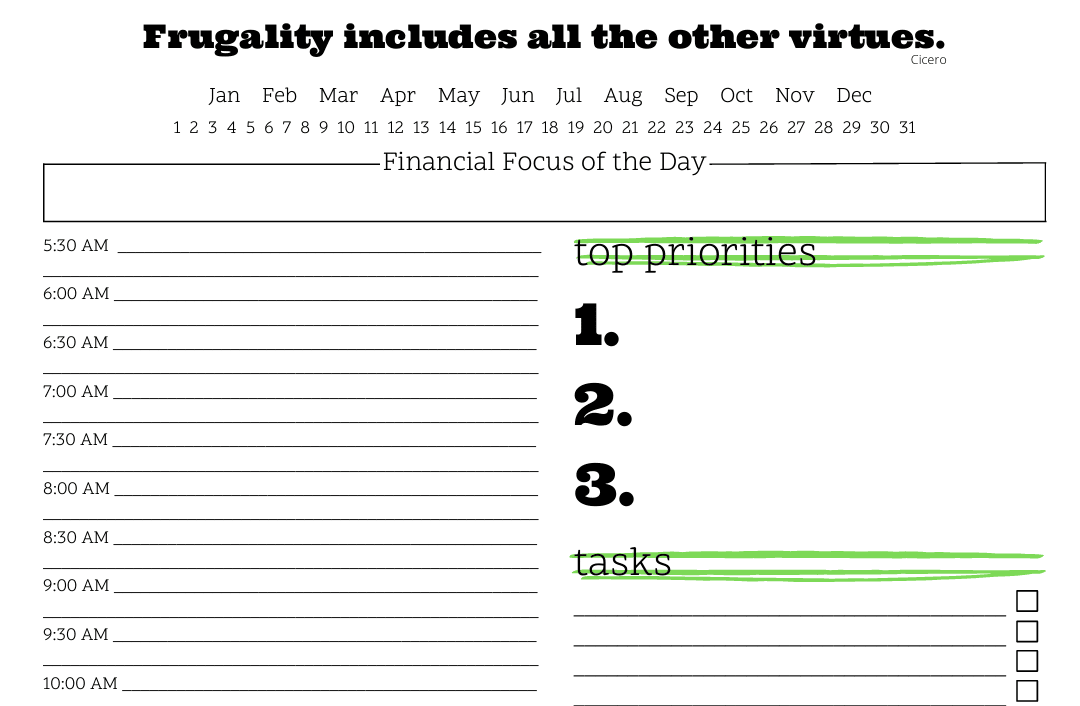
Subscribe to get a free daily budget planner printable to help get your money on track!
Make passive money the right way. No spam.
Editorial Disclaimer: The editorial content on this page is not provided by any of the companies mentioned. The opinions expressed here are the author's alone.
The content of this website is for informational purposes only and does not represent investment advice, or an offer or solicitation to buy or sell any security, investment, or product. Investors are encouraged to do their own due diligence, and, if necessary, consult professional advising before making any investment decisions. Investing involves a high degree of risk, and financial losses may occur including the potential loss of principal.
Source Citation References:
+ Inspo
There are no additional citations or references to note for this article at this time.