


This article may contain references to products or services from one or more of our advertisers or partners. We may receive compensation when you click on links to those products or services. Nonetheless, our opinions are our own.
The information presented in this article is accurate to the best of our knowledge at the time of publication. However, information is subject to change, and no guarantees are made about the continued accuracy or completeness of this content after its publication date.

A major settlement can feel like the finish line. However, for families facing long-term disability care, it’s more like the starting line. The settlement money has to cover years of therapy, equipment, caregiving, housing changes, and everyday tasks that they’ll have to deal with.
Families have to decide if they want to take one big lump sum now, or set up a structured settlement that pays out over time. In this article, we’ll compare both options with cash-flow planning for each option for families facing decades of care. Let’s take a look at what you are really choosing when you choose between lump sum or structured settlement.
- Lump Sum: One Payment, Full Access
- Structured Settlement: Scheduled Payments Over Time
- Why Decades of Care Changes Everything
- Cash-Flow Planning: Think in Monthly Needs, Not Settlement Size
- Why Structure Settlement Feels Restrictive
- The Emotional Risk of Receiving a Lump Sum
- The Hybrid Approach: Some Now, Most Later
- Protecting SSI and Medicaid: The Part People Miss
- Why You Can’t Ignore Inflation
- The Important Role of Taxes
- Common Mistakes to Avoid
- Who Should Be in the Room for This Decision?
- Endnote
- Recommended Reads
Lump Sum: One Payment, Full Access
A lump sum is the simplest structure. If you choose this option, the settlement gets paid in one shot, or sometimes a few large payments that are not far apart. The good thing about this structure is that it’s both direct and flexible. A lump sum can be useful for:
- Paying off high-interest debt
- Catching up on medical bills
- Buying an accessible vehicle
- Remodeling a home for accessibility
- Building a large emergency fund
However, you need to be wary of the tradeoff:
- It’s easy to overspend early without noticing.
- Investment losses hit you directly.
- If the settlement is taxable (depending on the case), a large payout can create a tax surprise.
Structured Settlement: Scheduled Payments Over Time
A structured settlement pays in installments, often monthly or annually. It is usually funded through an annuity set up as part of the settlement terms. In a lot of personal injury cases, these payments are typically tax-free under federal rules. Structured settlements are often used for:
- Severe injuries
- Disabilities
- Cases involving minors
- Situations where long-term medical care is expected
- Guardianship or protected-person arrangements
The main benefit of this option is that the money is paid on a schedule, year after year. That consistency can be the difference between stable care and constant financial scrambling.
Why Decades of Care Changes Everything
A short-term injury settlement and a lifetime-care settlement are not the same kind of money problem. Long-term care often involves:
- Therapy and specialist visits
- Equipment replacement (wheelchairs, braces, lifts, communication devices)
- Housing upgrades (ramps, bathrooms, widened doorways)
- Paid caregivers (and caregiver costs rise over time)
- Lost earnings for the person needing care
- Lost earnings for parents or guardians who reduce work to provide care
This is where cash-flow planning becomes vital. The total number is important, but the timing of the money matters more in most cases. For instance, families seeking cerebral palsy lawsuit settlements have to carefully think about their choice. This is important because care needs can last a lifetime, and can change as a child grows into adulthood.
Cash-Flow Planning: Think in Monthly Needs, Not Settlement Size
A settlement can look huge on paper, and still fail to meet real life needs. This often happens when the spending pattern doesn’t match the care timeline. A helpful way to plan is to build a care cash-flow map.
Step 1: List Recurring Monthly Costs
Here’s an example of recurring monthly costs:
- Caregiver hours
- Physical, occupational, or speech therapy
- Prescriptions and supplies
- Transportation to appointments
- Extra child care for siblings
- Increased housing costs if you need a different setup
Step 2: List Predictable Lumpy Costs
These are not monthly, but they are not optional either:
- Home modifications every few years
- Replacement equipment cycles
- Vehicle upgrades
- Out-of-network specialist consults
- Legal and administrative fees
- Education and transition support (teen years into adulthood can be expensive)
Step 3: Add an Emergency Buffer
Families dealing with complex care needs tend to get hit with surprise costs quite often, so it’s vital to have an emergency buffer in case things go wrong.
Why Structure Settlement Feels Restrictive
By the time families reach this stage of the decisions, they already understand what a structured settlement is. The harder part is accepting the fact that it takes away total freedom. That loss of freedom is why it often works over decades of care.
When payments arrive on a schedule, families don’t have to constantly decide whether today’s expense is worth tomorrow’s security. When the money is paid on schedule, care continues. At the same time, the future stays funded without daily negotiation. Structured payments often help families:
- Keep long-term care funded even when life gets chaotic
- Avoid spending too much during emotionally heavy years
- Maintain consistency when caregivers, housing, or health needs shift
- Reduce the stress of managing large investment portfolios
However, you give something up when you choose this option. If a large, unexpected expense appears, scheduled payments can feel tight. However, many families often realize that this restriction was what protected them from far bigger losses. Structured settlement doesn’t necessarily take away control, instead, it removes the need for constant self-control.
The Emotional Risk of Receiving a Lump Sum
Lump sums often fail because of the unpredictability of life, and not mainly because families are careless. When a large amount of money comes in at once, every decision suddenly feels permanent.
If you spend too much now, you may end up regretting it later. At the same time, if you save too much now, you might neglect today’s needs. If you invest wrong, the damage can take years to underdo. This unpredictability can be quite confusing for families, which can lead them to make financial mistakes. Families who take lump sums often underestimate:
- How long care will really last
- How often costs change
- How emotional stress affects money decisions
- How quickly temporary spending becomes permanent
Lump sums work best when there is a written plan, outside accountability, and clear boundaries around spending and investing. Without those, freedom can quietly turn into pressure.
Voted "Best Overall Budgeting App" by Forbes and WSJ
Monarch Money helps you budget, track spending, set goals, and plan your financial future—all in one app.
Get 50% OFF your first year with code MONARCHVIP


The Hybrid Approach: Some Now, Most Later
Many families end up combining both options:
- Lump sum portion: covers immediate, high-cost changes.
- Structured portion: funds steady care costs for years or life.
Hybrid examples families use:
- $200,000 to $400,000 lump sum for home/vehicle/urgent bills
- Remaining amount structured as:
- Monthly payments for ongoing care
- Larger scheduled payments at ages 18, 25, 35 for major transitions
- Optional step-ups later in life when care needs often rise
Hybrid planning also makes it less likely you’ll need to sell payments later at a discount.
Protecting SSI and Medicaid: The Part People Miss
If someone depends on means-tested programs like SSI or Medicaid, the settlement structure shifts to ownership and eligibility and not just spending. Receiving money directly, especially a lump sum, can push assets over eligibility limits. This common issue can lead to benefit loss.
Families often pair settlement planning with tools such as:
- Special needs trusts to hold funds without breaking eligibility rules.
- Settlement structuring designed to work with a trust.
- In some cases, ABLE accounts, where rules vary and contribution limits apply.
Why You Can’t Ignore Inflation
We don’t talk about inflation in just a year. You need to consider 20 to 30 years in the future. Failure to do so might leave you overwhelmed with financial burden. For long-term care planning, two inflation points matter:
- General inflation, which includes food, housing, and utilities
- Medical inflation often rises differently than normal consumer costs
A few ways families address inflation include:
- Building cost-of-living increases into structured payments when possible.
- Keeping a portion of funds invested conservatively with a long timeline if appropriate.
- Avoiding fixed forever plans that assume today’s costs stay today’s costs.
A settlement that covers everything in year one can become tight in year 15 if inflation isn’t planned for.
The Important Role of Taxes
Many personal injury settlement payments are typically tax-free, but tax can still appear in the following ways:
- Parts of a settlement that aren’t tied to physical injury, which depends on case details
- Punitive damages, which are often treated differently under tax rules
- Interest components
- Investment earnings, that is if you take a lump sum and invest it
Even if the settlement itself is tax-free, how you invest the money can create taxable income. Big dividends, capital gains, and interest can affect your yearly tax picture and sometimes benefit eligibility.
Common Mistakes to Avoid
- Choosing without modeling cash flow
- Ignoring inflation
- Overestimating investment ability
- Forgetting benefit rules
- Treating settlement money as flexible income
- Skipping professional review
These mistakes rarely hurt immediately, but they definitely hurt years later.
Who Should Be in the Room for This Decision?
Even if you’re financially sharp, this decision is too big to do solo. Families often consult:
- A settlement planning advisor
- A tax professional
- An attorney familiar with disability planning
- A trustee or trust attorney if a special needs trust is needed
Endnote
A settlement payout is a long-term support system. While lump sums can solve urgent problems, they often put the burden of financial responsibility and accountability on the family. On the other hand, structured settlement can keep care stable for decades, but they can feel restrictive.
For families facing lifelong care needs, a hybrid plan provides enough money for your current situation, and enough steady income to keep care consistent. Regardless of the plan you choose, the goal is to keep the plan working year after year.

Reviewed and edited by Albert Fang.
See a typo or want to suggest an edit/revision to the content? Use the contact us form to provide feedback.
At FangWallet, we value editorial integrity and open collaboration in curating quality content for readers to enjoy. Much appreciated for the assist.
Did you like our article and find it insightful? We encourage sharing the article link with family and friends to benefit as well - better yet, sharing on social media. Thank you for the support! 🍉
Article Title: Lump Sum vs. Structured Settlement: Cash-Flow Planning for Families Facing Decades of Care
https://fangwallet.com/2026/02/04/lump-sum-vs-structured-settlement/The FangWallet Promise
FangWallet is an editorially independent resource - founded on breaking down challenging financial concepts for anyone to understand since 2014. While we adhere to editorial integrity, note that this post may contain references to products from our partners.
The FangWallet promise is always to have your best interest in mind and be transparent and honest about the financial picture.
Become an Insider
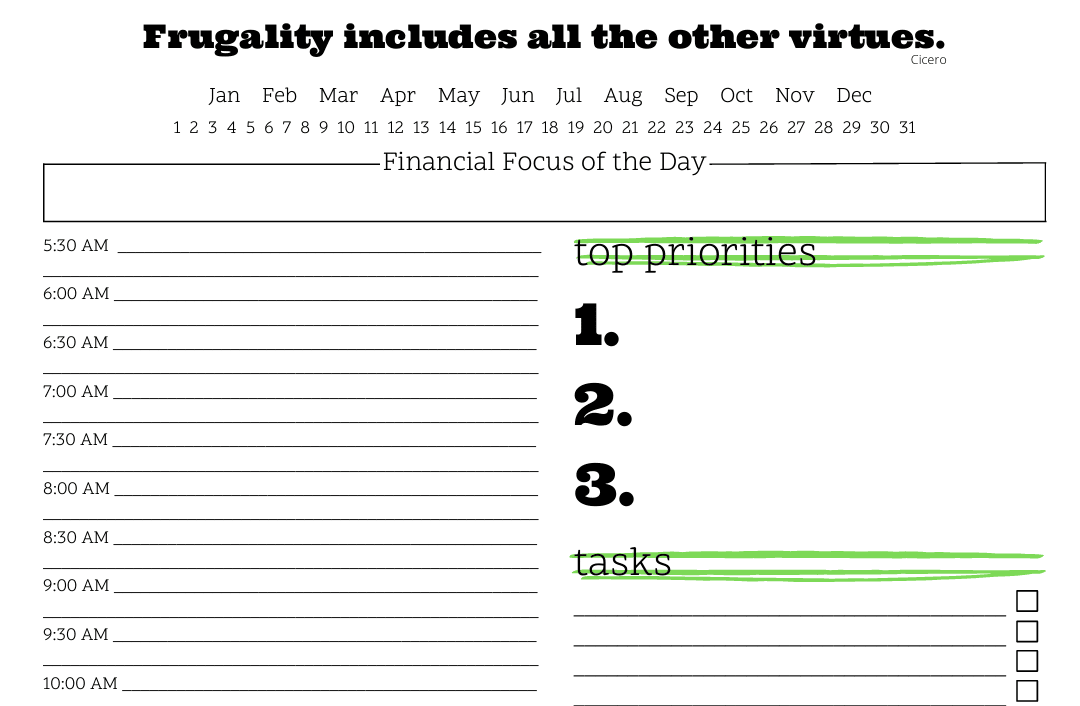
Subscribe to get a free daily budget planner printable to help get your money on track!
Make passive money the right way. No spam.
Editorial Disclaimer: The editorial content on this page is not provided by any of the companies mentioned. The opinions expressed here are the author's alone.
The content of this website is for informational purposes only and does not represent investment advice, or an offer or solicitation to buy or sell any security, investment, or product. Investors are encouraged to do their own due diligence, and, if necessary, consult professional advising before making any investment decisions. Investing involves a high degree of risk, and financial losses may occur including the potential loss of principal.
Source Citation References:
+ Inspo
There are no additional citations or references to note for this article at this time.