

This article may contain references to products or services from one or more of our advertisers or partners. We may receive compensation when you click on links to those products or services. Nonetheless, our opinions are our own.
The information presented in this article is accurate to the best of our knowledge at the time of publication. However, information is subject to change, and no guarantees are made about the continued accuracy or completeness of this content after its publication date.

Higher income rarely happens by accident. It usually follows a skill that the market values, a credential employers recognize, or a career move that puts someone closer to growing industries.
That’s where career training matters. Not every high-earning path requires a four-year degree, and not every worker wants to spend years studying before earning more. Some people need a faster route. Some need a practical one. Others need training that lets them step into a field with better pay, stronger demand, and clearer progression.
A person who completes a Diploma of Electrical and Instrumentation, for example, may be preparing for work in industries where technical knowledge is tied directly to operations, safety, automation, and infrastructure. That kind of training is specific. It tells employers, “This person can do more than show up. They can solve a real problem.”
And that’s the point. Career training works best when it connects learning to income.
- Why Practical Training Often Pays Off Faster
- Training Can Also Support Smarter Relocation Choices
- Higher-Income Industries Reward Specialization
- Career Training Can Help Business Owners Too
- Networks Can Be as Valuable as the Course
- Financial Access Can Shape Career Mobility
- The Best Training Matches the Market
- Recommended Reads
Why Practical Training Often Pays Off Faster
Traditional education can be valuable, but it’s not always the shortest path to a better paycheck. Practical training often focuses on job-ready skills. Less theory. More doing.
That can be a big deal for people who don’t want to pause their lives for years. Rent still needs paying. Groceries don’t wait. Neither do family responsibilities.
The last time many households reviewed their budgets, the same problem kept showing up: income wasn’t growing as fast as costs. Career training gives people a way to respond instead of just cutting expenses again and again. There are only so many subscriptions to cancel before the bigger issue becomes obvious.
Earn more. That’s the lever.
A worker who trains in health care, construction, energy, finance support, logistics, or technology can move toward industries that need people with specific capabilities. Employers in these sectors often care less about perfect resumes and more about whether someone can handle the work.
Training Can Also Support Smarter Relocation Choices
Sometimes, career growth means moving closer to opportunity. That may mean a new city, a different state, or even a temporary move while studying.
In Australia, for instance, students comparing training pathways may also need to think about living costs, transport, and access to work placements. Someone looking at student accommodation in Brisbane would likely consider the city’s universities, vocational education options, public transport links, and growing employment market across Queensland.
Location matters more than people admit. A good course in the wrong place can become expensive fast. A solid training program near employers, internships, or part-time work can make the whole plan easier to manage.
This is where financial planning becomes part of career planning. Tuition is only one line item. Housing, food, tools, uniforms, transport, internet, and emergency savings all count. Ignore them, and the dream gets stressful quickly.
Higher-Income Industries Reward Specialization
General skills can get someone started. Specialized skills often move them up.
That doesn’t mean every person needs to become a surgeon, engineer, or software architect. It means that higher-income industries usually reward workers who can handle tasks others can’t easily pick up in a weekend.
Think about trades, cybersecurity, aged care management, allied health, mining support, renewable energy, financial services, and business operations. These fields often need trained people who understand systems, compliance, equipment, safety, customers, or money. Sometimes all of the above.
There’s a reason short, targeted courses can be powerful. They reduce the distance between “I want a better role” and “I can prove I’m ready for one.”
Of course, not all training is equal. Some courses look great on a brochure but don’t lead anywhere useful. That’s where people need to be picky. Very picky. Before signing up, they should check job ads, salary ranges, accreditation, employer demand, and whether graduates actually find work.
Voted "Best Overall Budgeting App" by Forbes and WSJ
Monarch Money helps you budget, track spending, set goals, and plan your financial future—all in one app.
Get 50% OFF your first year with code MONARCHVIP


Career Training Can Help Business Owners Too
Career training isn’t only for employees. Business owners also use education to move into higher-value work or prepare for major financial decisions.
A childcare operator in Queensland who plans to sell childcare business Brisbane assets, for example, may benefit from learning more about valuation, compliance, negotiation, and exit planning before entering the market. Brisbane’s childcare sector sits within a competitive and regulated environment, so preparation can make a real difference.
This is where training becomes less about getting hired and more about protecting value. A business owner who understands financial statements, staff systems, licensing requirements, and buyer expectations is in a stronger position than someone guessing their way through the process.
Guessing is expensive. Painfully expensive.
The same applies to freelancers, franchisees, and side-hustle owners. Learning sales, bookkeeping, marketing analytics, or operations can move a small business from “busy but broke” to genuinely profitable. It’s not glamorous, but neither is losing money while working ten-hour days.
Networks Can Be as Valuable as the Course
A good training program teaches skills. A great one also puts people near useful networks.
Classmates become referrals. Trainers know employers. Industry placements lead to interviews. Even a short course can introduce someone to people who understand the industry from the inside.
That hidden network can matter just as much as the certificate.
In business, the same principle shows up when owners work with business brokers Brisbane professionals who understand the local buyer pool, market demand, and valuation expectations across South East Queensland. Knowledge is useful, but access to the right people can speed things up.
Career training can do something similar. It places learners in rooms, workshops, online groups, and placement settings where opportunities are easier to spot. Not guaranteed. Easier.
And easier matters.
Financial Access Can Shape Career Mobility
Even when training makes sense, money can get in the way. Course fees, time away from work, equipment, and relocation costs can stop people before they start.
Some workers save first. Others study part-time. Some use employer-funded training or payment plans. Business owners and self-employed people may also explore financing options, including no doc loans, though these require careful review because convenience can come with higher costs or stricter terms.
Debt should never be treated like free money. That’s a fast way to turn a smart career move into a financial headache.
The better approach is simple: compare the cost of training with the realistic income upside. Not the fantasy salary from a course ad. The real one. Look at entry-level roles, mid-level roles, and how long it usually takes to progress.
If the numbers work, training can be an investment. If they don’t, it might just be an expensive confidence boost.
The Best Training Matches the Market
The strongest career training sits at the intersection of interest, ability, and demand.
Interest matters because no one wants to spend years in a field they hate. Ability matters because some jobs require technical, physical, emotional, or analytical strengths. Demand matters because passion alone doesn’t pay the bills. Lovely idea. Terrible budget strategy.
People who want higher income should start with the market, then work backward. Which industries are hiring? Which roles pay more with experience? Which credentials appear again and again in job ads? Which skills are hard to automate, outsource, or replace?
That kind of research can prevent wasted time. It can also reveal paths people didn’t know existed.
Career training is not magic. It won’t fix every financial problem overnight. But it can open doors that were previously closed, especially for people willing to choose practical skills, study the market, and make decisions with both ambition and math.
That combination is underrated.

Reviewed and edited by Albert Fang.
See a typo or want to suggest an edit/revision to the content? Use the contact us form to provide feedback.
At FangWallet, we value editorial integrity and open collaboration in curating quality content for readers to enjoy. Much appreciated for the assist.
Did you like our article and find it insightful? We encourage sharing the article link with family and friends to benefit as well - better yet, sharing on social media. Thank you for the support! 🍉
Article Title: How Career Training Can Open Doors to Higher-Income Industries
https://fangwallet.com/2026/06/16/how-career-training-can-open-doors-to-higher-income-industries/The FangWallet Promise
FangWallet is an editorially independent resource - founded on breaking down challenging financial concepts for anyone to understand since 2014. While we adhere to editorial integrity, note that this post may contain references to products from our partners.
The FangWallet promise is always to have your best interest in mind and be transparent and honest about the financial picture.
Become an Insider
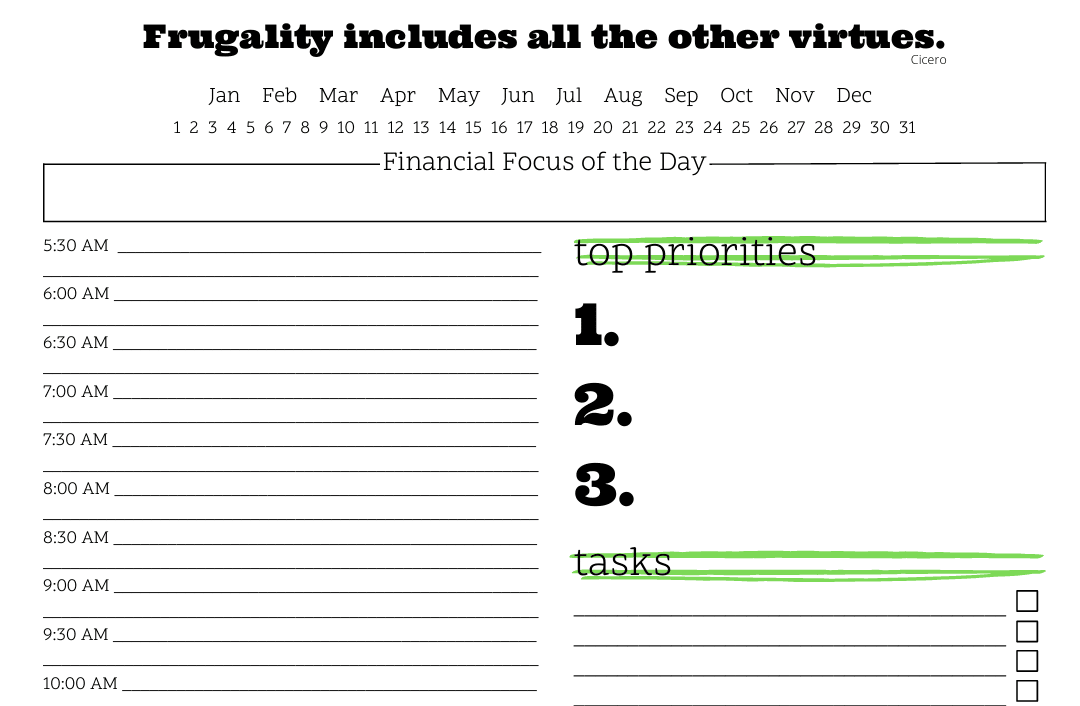
Subscribe to get a free daily budget planner printable to help get your money on track!
Make passive money the right way. No spam.
Editorial Disclaimer: The editorial content on this page is not provided by any of the companies mentioned. The opinions expressed here are the author's alone.
The content of this website is for informational purposes only and does not represent investment advice, or an offer or solicitation to buy or sell any security, investment, or product. Investors are encouraged to do their own due diligence, and, if necessary, consult professional advising before making any investment decisions. Investing involves a high degree of risk, and financial losses may occur including the potential loss of principal.
Source Citation References:
+ Inspo
There are no additional citations or references to note for this article at this time.