

This article may contain references to products or services from one or more of our advertisers or partners. We may receive compensation when you click on links to those products or services. Nonetheless, our opinions are our own.
The information presented in this article is accurate to the best of our knowledge at the time of publication. However, information is subject to change, and no guarantees are made about the continued accuracy or completeness of this content after its publication date.


Updated by Albert Fang
A big property move always looks cleaner on paper than it feels in real life. There’s the deposit, the loan approval, the settlement date, maybe a renovation plan waiting in the wings. Then come the smaller costs. The urgent plumber. The storage unit. The double payment month where rent and a mortgage overlap just long enough to sting.
That’s where a property emergency fund earns its keep.
This fund isn’t the same as a general savings account. It has a job. It protects the move from becoming a financial scramble when something changes, breaks, gets delayed, or costs more than expected. And something almost always does.
The smart starting point is to list the non-negotiable costs first. These include mortgage repayments, rent overlap, insurance, utilities, moving costs, legal fees, council rates, strata fees if applicable, and basic repairs. Not dream upgrades. Not the outdoor kitchen. Just the costs that could cause stress if they landed at the wrong time.
- Separate the Emergency Fund From the Dream Fund
- Price the Move Before Pricing the Lifestyle
- Use a Three-Tier Target
- Plan for the First 90 Days After Moving
- Protect Investment Moves From Cash Flow Gaps
- Get Better Numbers Before Making Commitments
- Automate the Fund Before the Move Gets Emotional
- Keep the Fund Alive After Settlement
- Recommended Reads
Separate the Emergency Fund From the Dream Fund
It’s tempting to treat all savings as one big bucket. That gets messy fast. A property emergency fund should sit apart from renovation savings, furniture money, investment cash, or holiday plans. Boring? Maybe. Useful? Absolutely.
A good rule is to keep the money somewhere accessible but not too accessible. A high-yield savings account can work well because the funds stay separate while still earning something in the background. The account should not be tied to everyday spending. If the debit card makes it too easy to dip into, skip the card.
This fund should cover surprises, not preferences. A broken hot water system counts. A nicer couch does not. The difference matters because property decisions can stir up emotional spending. New keys in hand, and suddenly every room “needs” something. It doesn’t. Not yet.
Price the Move Before Pricing the Lifestyle
Before building the fund target, map the move from start to finish. That means looking past the sale price or deposit and working through each stage of the process.
Someone buying in New South Wales, for example, needs to factor in conveyancing costs NSW buyers often face alongside stamp duty, lender fees, inspections, and settlement adjustments. These expenses can vary, but they should never be treated as afterthoughts. They arrive early, and they can put pressure on cash flow before the move even happens.
The emergency fund should sit on top of these planned costs, not include them. That’s the part many buyers get wrong. They save just enough for the transaction, then assume normal life will behave itself for a few months. Brave. Also risky.
Use a Three-Tier Target
Not every property move needs the same size fund. A first-home buyer moving into a newer apartment has different risks from a family relocating into an older freestanding home. A renovator has a different risk profile again.
A simple three-tier target helps. The first tier is one month of essential property and household costs. This is the minimum safety net. The second tier is three months, which gives more breathing room if income changes or repairs appear. The third tier is six months, which suits bigger moves, older homes, investment properties, self-employed buyers, or anyone taking on renovation work.
For major structural plans, the buffer should be even bigger. A family weighing up a rebuild should research knock down rebuild cost estimates in their specific suburb or city before setting aside emergency money, because demolition, temporary accommodation, design changes, approvals, and site issues can all shift the final number. A rebuild budget without a separate emergency fund is asking one spreadsheet to do too much.
Voted "Best Overall Budgeting App" by Forbes and WSJ
Monarch Money helps you budget, track spending, set goals, and plan your financial future—all in one app.
Get 50% OFF your first year with code MONARCHVIP


Plan for the First 90 Days After Moving
The riskiest period often comes right after moving. Cash has already gone out. The routine hasn’t settled. Boxes are still everywhere. Someone can’t find the kettle. Again.
The first 90 days tend to reveal problems that were invisible during inspection. Drainage issues. Electrical quirks. A door that sticks every time it rains. A fence that suddenly looks much worse once the neighbor mentions it.
This is why the fund should include a post-move repair allowance. Not a renovation allowance. A repair allowance. Think urgent safety, security, weatherproofing, and functionality. If the garage door won’t close, that’s a priority. If the bedroom paint color feels wrong at 7 p.m., that can wait.
Buyers moving into houses with outdoor spaces should also budget for weather-exposed materials and maintenance. For instance, people planning to buy composite decking for a patio or garden upgrade should keep that purchase separate from emergency savings, even if it feels practical. Outdoor improvements can add value and comfort, but they are still upgrades unless they solve an immediate safety issue.
Protect Investment Moves From Cash Flow Gaps
Property investing needs a bigger buffer than owner-occupier buying because the property has to perform financially. Tenants can leave. Repairs can land between leases. Interest rates can shift. Rental income can pause while expenses keep marching.
Investors using retirement structures also need extra care. SMSF property loans can involve stricter rules, higher setup costs, liquidity requirements, and compliance obligations, so the emergency fund should account for both property risks and fund-level responsibilities. It’s not just about having enough money to buy. It’s about having enough money to hold.
A strong investment emergency fund usually covers loan repayments, insurance, maintenance, vacancy periods, property management fees, and urgent repairs. Three months may work for a stable property with reliable rent. Six months may feel safer for older homes, regional locations, or properties with higher maintenance needs.
Get Better Numbers Before Making Commitments
Bad estimates create weak emergency funds. Clean numbers make better decisions.
Before committing to a purchase, buyers should ask for quotes, not guesses. Removalists, insurance providers, inspectors, lenders, trades, and legal professionals can all help turn vague costs into real numbers. The goal isn’t perfection. Property never gives that. The goal is to reduce the number of surprises.
People buying in competitive markets should also price in professional support. Working with buyer’s agents Sydney property seekers use in suburbs from the Inner West to the Northern Beaches, for example, may add a fee, but it can also help clarify market value, auction strategy, due diligence, and suburb-level trade-offs. The emergency fund should reflect the full buying approach, not just the property price.
Automate the Fund Before the Move Gets Emotional
Once the target is clear, automate the savings. Weekly or fortnightly transfers work because they remove the daily decision-making. No drama. No motivational speech required.
A good approach is to name the account clearly. “Property Emergency Fund” works better than “Savings.” The label reminds everyone what the money is for. It also makes it slightly harder to raid for a dining table, a new appliance, or the suspiciously expensive rug that somehow looks “necessary.”
Any windfalls can speed things up. Tax refunds, bonuses, freelance income, unused travel money, or money from selling old furniture can all go straight into the fund. Small amounts count. A few hundred dollars may not feel exciting, but it can cover a locksmith, a callout fee, or an urgent repair without touching credit.
Keep the Fund Alive After Settlement
The fund shouldn’t disappear once the move is complete. In fact, settlement is when the emergency fund becomes even more important.
A property costs money long after the keys arrive. Appliances age. Roofs leak. Insurance premiums rise. Lenders change repayment amounts. Even well-maintained homes have their moments.
After using any part of the fund, rebuild it. Treat replenishing it like a bill, not a nice idea. That habit turns the emergency fund from a one-time moving tool into long-term financial protection.
A big move should feel exciting, but excitement doesn’t pay for a burst pipe. A property emergency fund keeps one problem from becoming five. It gives the move a stronger foundation, and sometimes that matters more than the perfect floor plan.

Reviewed and edited by Albert Fang.
See a typo or want to suggest an edit/revision to the content? Use the contact us form to provide feedback.
At FangWallet, we value editorial integrity and open collaboration in curating quality content for readers to enjoy. Much appreciated for the assist.
Did you like our article and find it insightful? We encourage sharing the article link with family and friends to benefit as well - better yet, sharing on social media. Thank you for the support! 🍉
Article Title: How to Build a Property Emergency Fund Before Making a Big Move
https://fangwallet.com/2026/07/03/how-to-build-a-property-emergency-fund-before-making-a-big-move/The FangWallet Promise
FangWallet is an editorially independent resource - founded on breaking down challenging financial concepts for anyone to understand since 2014. While we adhere to editorial integrity, note that this post may contain references to products from our partners.
The FangWallet promise is always to have your best interest in mind and be transparent and honest about the financial picture.
Become an Insider
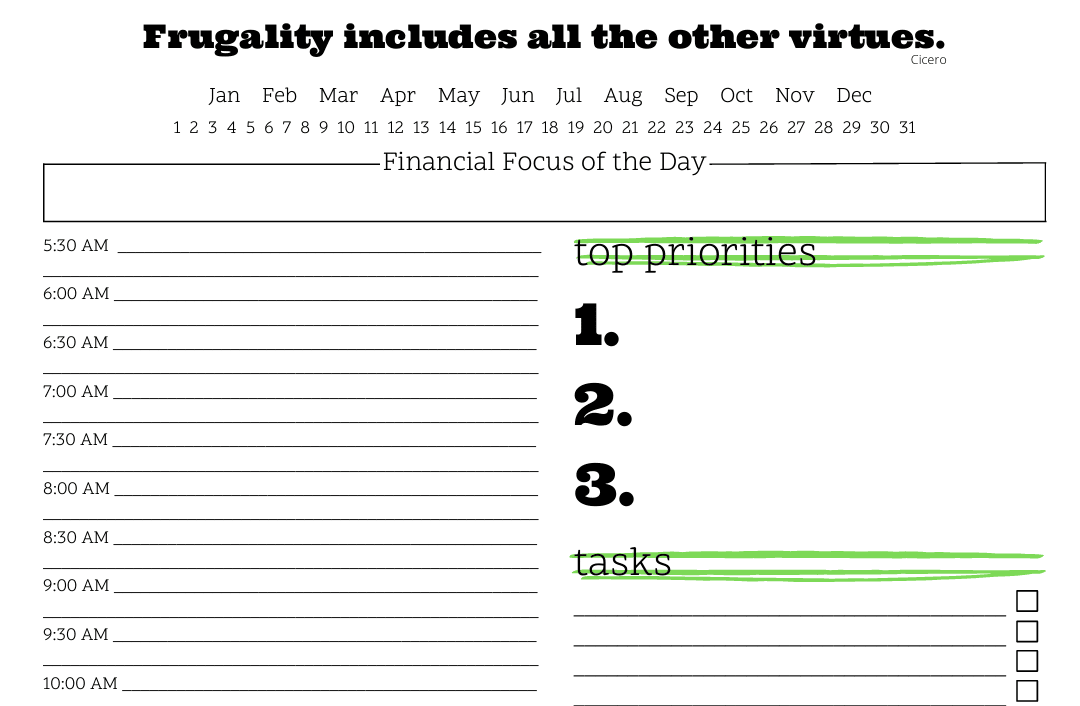
Subscribe to get a free daily budget planner printable to help get your money on track!
Make passive money the right way. No spam.
Editorial Disclaimer: The editorial content on this page is not provided by any of the companies mentioned. The opinions expressed here are the author's alone.
The content of this website is for informational purposes only and does not represent investment advice, or an offer or solicitation to buy or sell any security, investment, or product. Investors are encouraged to do their own due diligence, and, if necessary, consult professional advising before making any investment decisions. Investing involves a high degree of risk, and financial losses may occur including the potential loss of principal.
Source Citation References:
+ Inspo
There are no additional citations or references to note for this article at this time.