
This article may contain references to products or services from one or more of our advertisers or partners. We may receive compensation when you click on links to those products or services. Nonetheless, our opinions are our own.
The information presented in this article is accurate to the best of our knowledge at the time of publication. However, information is subject to change, and no guarantees are made about the continued accuracy or completeness of this content after its publication date.

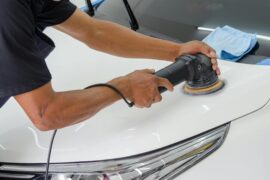
The day Angela picked up her crossover from the body shop, it sparkled like a showroom model. The color matched perfectly, the panel gaps were tight, and the repair bill was paid by the at fault driver’s insurance. Her headache finally disappeared and drove home relieved.
Around six months later, she tried to trade in the same car.
The dealer scanned the VIN, glanced at the screen, and slid an offer across the desk that was $4,200 lower than she expected.
“There’s an accident on record,” he said. “Even with perfect repairs, buyers pay less.” That gut drop moment has a name most drivers only learn too late: diminished value.
What Diminished Value Really Means
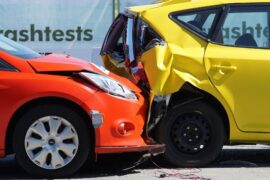
Diminished value is the value your car loses in the marketplace after it’s been in a reported accident, even if it was repaired fully and perfectly with quality parts. It’s the difference between what a buyer will pay for a clean-history vehicle that hasn’t been in an accident and what they’ll pay for yours, strictly because of the accident flag on reports like CARFAX or AutoCheck. It’s not a punishment; it’s how markets price risk and stigma.
Two identical cars. One carries a collision on its record; one doesn’t. The repaired one will always sell for less. That gap is claimable if you know how to present it.
Why “Repaired Perfectly” Isn’t “Worth the Same”
Insurance adjusters are paid to make a car functionally whole again. The goal of repairs is for the vehicle to have safe operation and appearance, resale isn’t quite a priority. Meanwhile, dealers and private buyers see an accident history and imagine hidden risk: weakened structure, compromised paint longevity, alignment concerns, even just tougher financing or slower resale.
That risk whether it’s real or perceived, gets baked into the price. You’re left with the tab unless you pursue a diminished value claim.
The Three Flavors of Value Loss (and Which One Matters Most)
- Immediate Diminished Value: The drop in value right after the crash, before repairs.
- Repair Related Diminished Value: Loss due to something that is actually wrong with the repair (mismatched paint, frame variances, warning lights).
- Inherent Diminished Value (the important one): Loss that remains even after a high quality repair, simply because the vehicle now has an accident history.
Most drivers are dealing with inherent diminished value. That’s what hit Angela.
How Much Is At Stake?
Numbers vary with age, mileage, make/model and damage severity. A two year old compact might lose hundreds; a luxury SUV could lose thousands. Major hits to structural areas, airbags, or high-dollar panels usually move the needle more than cosmetic repairs.
You don’t need a magic formula for diminished value; you need evidence: pre-accident market value, repair scope, and a credible comparison to clean-history vehicles.
Angela’s Playbook: Turning a Silent Loss into a Big Check
Angela didn’t argue with the dealer; at the end it wasn’t his fault. Instead, she went to the insurer who paid for the repairs. Here’s how she did it, and how you can, too:
1) Gather proof
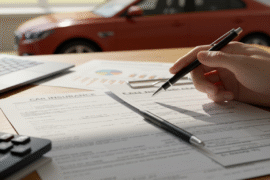
She organized her repair estimate, final invoice, photos of the vehicle (before and after), and the vehicle’s options, mileage, and maintenance history. She pulled market listings for similar vehicles without accident histories and also trade-in values for her vehicle now.
2) Get an independent DV appraisal
A independent licensed appraiser quantified her loss using real world comps, recent sales data,
and the specifics of her repair. The report translated “gut feeling” into a factual defendable number.
3) Submit a concise claim
She sent the report to the at-fault insurer with a short demand letter: vehicle details, claim number, what was repaired, and the appraisal’s conclusion. No emotion, just documentation and evidence.
4) Negotiate, briefly but firmly
Insurers often counter or lowball. Angela’s appraiser addressed the pushback point by point, explaining why the comps, adjustments, and method were sound. The result wasn’t instant but it was effective.
Outcome: Angela recovered most of that $4,200 gap before ever listing the car for sale.
Common Myths (That Cost Drivers Money)
“If it’s repaired perfectly, there’s no loss.”
Market data disagrees. Accident history alone reduces bids.
“My insurer would have told me.”
Diminished Value is rarely volunteered. It’s your responsibility, you must raise it and support it.
“Only high end cars qualify.”
Any vehicle with a reportable accident can suffer Diminished Value. The amount scales with the market.
“I’ll just wait until I sell.”
You can, but you’ll negotiate from a weaker position. At that point, alongside with Diminished Value, there’s also natural depreciation. It’s better to recover Diminished Value now while the claim is active and documentation is fresh.
Quick Checklist You Can Use Today
- Save every document: repair estimates, final invoices, photos, supplement orders. • Record options and packages (these move value more than you think). • Screenshot or save a few clean-history comps similar to yours.
- Request a diminished value appraisal from an independent licensed professional.
- Submit a simple, dated letter or email with the report attached.
- Negotiate once or twice; escalate if needed. (Polite persistence wins.)
The Mindset Shift That Pays
After a crash, most of us sprint toward the finish line labeled “repairs complete.” But the true finish line is “value restored or compensated.” Repairs make the car safe and pretty. A diminished value claim closes the financial gap the market won’t forgive.
Between the insurer's DV check and the dealer's initial offer, Angela's crossover remained unchanged. Who carried the loss was different. When you know Diminished Value exists and how to show it, you stop paying for a stigma you didn’t create.
About the author: Fiona Kertalli, licensed auto appraiser and DVHIVE founder that helps drivers recover diminished value and fair payouts after crashes. dvhive.com
Voted "Best Overall Budgeting App" by Forbes and WSJ
Monarch Money helps you budget, track spending, set goals, and plan your financial future—all in one app.
Get 50% OFF your first year with code MONARCHVIP


Recommended Reads
- Airbnb Cars: How Peer-to-Peer Car Rentals Are Changing Travel Auto
- How to Purchase Auto Body Paint Supplies at Wholesale Prices Auto
- 10 Things to Look for When Buying a Used Car Frugal Living
- How to Become an Uber Delivery Driver: Requirements and Pay Make Money
- Is Shop Pay Safe and Secure: Key Factors to Consider Reviews
- Level Up Your Setup with Gaming Desktop Black Friday Sales in 2025 Deals
- Cost of Car Detailing: What You’re Really Paying For Auto
- Blogger Outreach 101: Tips and Techniques for Success Small Business
- Auto Repair Loans for Bad Credit: Fix Your Car Without Breaking the Bank Auto
- Is a Car Accident Settlement Taxable? An Overview Insurance

Reviewed and edited by Albert Fang.
See a typo or want to suggest an edit/revision to the content? Use the contact us form to provide feedback.
At FangWallet, we value editorial integrity and open collaboration in curating quality content for readers to enjoy. Much appreciated for the assist.
Did you like our article and find it insightful? We encourage sharing the article link with family and friends to benefit as well - better yet, sharing on social media. Thank you for the support! 🍉
Article Title: Shiny Paint, Smaller Price: The Invisible Cost After a Crash
https://fangwallet.com/2026/04/25/shiny-paint-smaller-price-the-invisible-cost-after-a-crash/The FangWallet Promise
FangWallet is an editorially independent resource - founded on breaking down challenging financial concepts for anyone to understand since 2014. While we adhere to editorial integrity, note that this post may contain references to products from our partners.
The FangWallet promise is always to have your best interest in mind and be transparent and honest about the financial picture.
Become an Insider
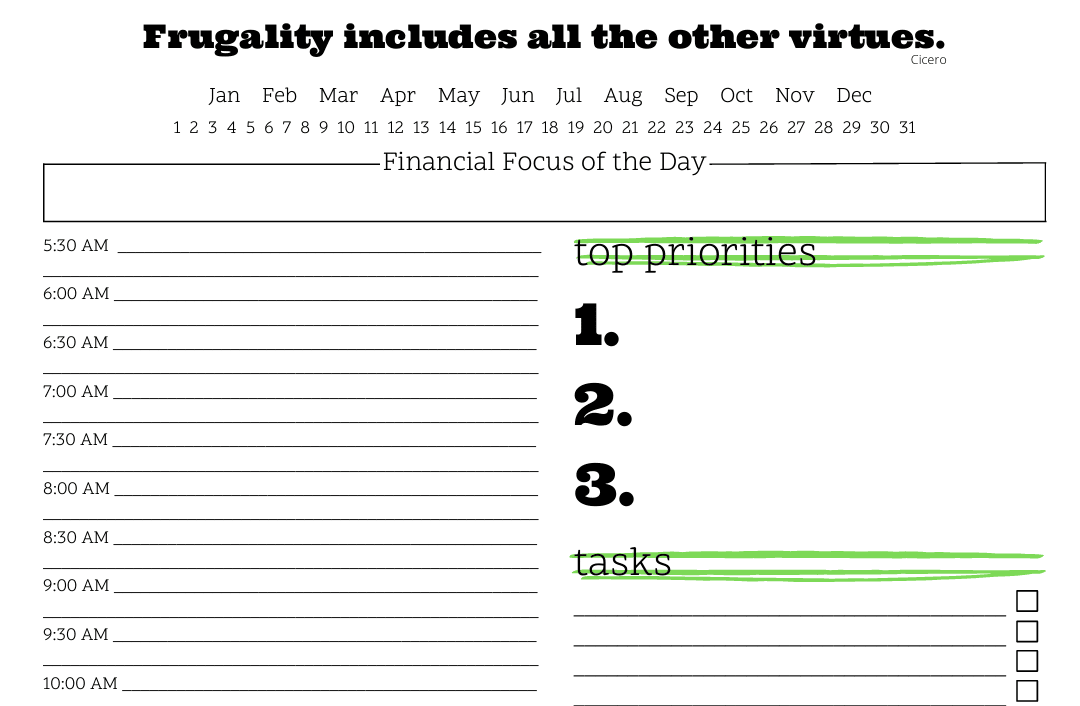
Subscribe to get a free daily budget planner printable to help get your money on track!
Make passive money the right way. No spam.
Editorial Disclaimer: The editorial content on this page is not provided by any of the companies mentioned. The opinions expressed here are the author's alone.
The content of this website is for informational purposes only and does not represent investment advice, or an offer or solicitation to buy or sell any security, investment, or product. Investors are encouraged to do their own due diligence, and, if necessary, consult professional advising before making any investment decisions. Investing involves a high degree of risk, and financial losses may occur including the potential loss of principal.
Source Citation References:
+ Inspo
There are no additional citations or references to note for this article at this time.