

This article may contain references to products or services from one or more of our advertisers or partners. We may receive compensation when you click on links to those products or services. Nonetheless, our opinions are our own.
The information presented in this article is accurate to the best of our knowledge at the time of publication. However, information is subject to change, and no guarantees are made about the continued accuracy or completeness of this content after its publication date.

General Investment Accounts (GIAs) have become one of the UK’s most popular ways to invest money without the same contribution limitations that ISAs have. But what are some of the best tips to keep in mind before getting started with your account?
General Investment Accounts are a flexible way to build your investments and manage your wealth.
Although GIAs don’t have the same tax efficiency as ISAs, there are no £20,000 contribution limits to impede your ability to build substantial investment portfolios. You can also benefit from shared ownership and access to a far wider range of assets, including equities, investment funds, ETFs, bonds, investment trusts, cash, and even commodities like gold via certain funds.
The flexible nature of GIAs has inspired more UK residents to open accounts once they’ve used up their Stocks and Shares ISA allocations, but what tips should you be aware of when getting started with your General Investment Account? Let’s take a look at 10 essential tips to remember before you begin your GIA journey:
- Build an Emergency Fund First
- Make Sure You’re Free of Credit Card Debt
- Always Look to the Long Term
- Diversify Your Portfolio
- ETFs are Great for Passive Investing
- Use Pound-Cost Averaging
- Keep an Eye on Fees
- Don’t Overthink Your Portfolio
- Work With Your ISA
- Keep Tax in Mind
- Making the Most of Your GIA
- Recommended Reads
Build an Emergency Fund First
Before you get started saving in your GIA, make sure that you have access to emergency funds to cover unexpected expenses first.
The reason for having emergency funds that span between three and six months’ worth of wages before you begin investing is that they can help to keep your long-term GIA investments safe, preventing you from having to make early withdrawals to cover costs elsewhere.
Because some GIA providers charge a fee to sell stocks, you could find yourself losing out not only on future profitability but also in the here and now.
Make Sure You’re Free of Credit Card Debt
The aim of a GIA is to grow your debt. This means that if you’re making contributions to a general interest account but also have existing high-interest debt through products like credit cards, you’ll stand a high chance of making a loss overall because the money you’re paying each month will be higher than the amount you’re making.
With this in mind, be sure to audit your debts and make payments for anything that could pose a threat to your ability to grow your wealth in a General Investment Account.
Always Look to the Long Term
GIAs are designed to be long-term investments, and your accounts should be focused on at least five years into the future to help you ride out any short-term market volatility while benefiting from compounding your earnings.
The great thing about keeping the long-term in mind with your investment account is that your profits can be rolled into fresh investments in a way that can cause your earnings to snowball, provided that your investments are well-researched.
Diversify Your Portfolio
It can be tempting to look at the best-performing stocks on Wall Street or the FTSE 100 and buy into them. But this strategy means that you’ll be putting all of your eggs in one basket, and that signs of an industry downturn could cause you to make heavy losses.
Avoid putting your money into one stock or industry, and instead use ETFs or tracker funds to diversify your portfolio across sectors and regions to lower your exposure to risk.
Voted "Best Overall Budgeting App" by Forbes and WSJ
Monarch Money helps you budget, track spending, set goals, and plan your financial future—all in one app.
Get 50% OFF your first year with code MONARCHVIP


ETFs are Great for Passive Investing
On a similar note, exchange-traded funds (ETFs) are excellent if you’re looking for more of a hands-off investing experience. This is because low-cost index funds and ETFs work by tracking a broader market of assets focused on a specific industry, index, or region.
They also have a strong track record of performing better than individual stock picking in the long run. So it’s worth looking to all-encompassing ETFs rather than specific stocks to buy and hold.
Use Pound-Cost Averaging
Stocks go up and down, and there’s no getting away from market volatility as an investor. Despite this, you can make equity price fluctuations work for you by automating your deposits each month.
By automating your contributions, you can deploy pound-cost averaging, which means the price you pay for the assets you hold will even out over time.
Keep an Eye on Fees
When holding a GIA for a long time, relatively high platform fees can really eat into your earnings.
When selecting a General Investment Account, always compare the fees for managing funds with different competitors to ensure that you aren’t overpaying for your product.
Don’t Overthink Your Portfolio
We’ve all been there. When there’s a lot of money in our portfolios, it can be tempting to micromanage our investments. However, checking daily can significantly increase your susceptibility to panic selling or emotional trades, which end up costing you more money in the long term.
Instead, simply check in on your portfolios once or twice a year to rebalance. This means that you can maintain a more long-term mindset for your investments.
Work With Your ISA
Your GIA should complement your ISA, not compete with it. One great strategy to help your General Investment Account and Stocks and Shares ISA work alongside one another is to move your investments from your GIA into your ISA (or a pension) each year if you have any allowance remaining to protect future profits from Capital Gains Tax (CGT) and income tax.
Keep Tax in Mind
GIAs don’t have the same tax benefits as ISAs, so when you sell your investments, you may be liable to pay CGT. At present, the Capital Gains Tax allowance is £3,000 each tax year, and this means that you’ll have to pay tax on any profits realised in excess of that figure.
With this in mind, it may be worth timing your profit taking around different tax years, which begin on the 6th of April, to minimise your tax liability.
Making the Most of Your GIA
General Investment Accounts are easy to use and highly flexible forms of wealth management. While they aren’t quite as tax-efficient as ISAs or pensions, the limitless nature of GIA contributions means that they’re perfect if you regularly exceed your tax-free wrappers each year.
With the right long-term attitude and tactical portfolio-building strategies, you can make your GIA every bit as effective as your Stocks and Shares ISA by making the most of your compounded earnings and diversified equities. As a result, you can grow your wealth more effectively in the future, no matter what challenges are around the corner.

Reviewed and edited by Albert Fang.
See a typo or want to suggest an edit/revision to the content? Use the contact us form to provide feedback.
At FangWallet, we value editorial integrity and open collaboration in curating quality content for readers to enjoy. Much appreciated for the assist.
Did you like our article and find it insightful? We encourage sharing the article link with family and friends to benefit as well - better yet, sharing on social media. Thank you for the support! 🍉
Article Title: Top 10 Beginner-Friendly Tips for Investing Through a General Investment Account
https://fangwallet.com/2026/06/10/tips-for-investing-through-a-general-investment-account/The FangWallet Promise
FangWallet is an editorially independent resource - founded on breaking down challenging financial concepts for anyone to understand since 2014. While we adhere to editorial integrity, note that this post may contain references to products from our partners.
The FangWallet promise is always to have your best interest in mind and be transparent and honest about the financial picture.
Become an Insider
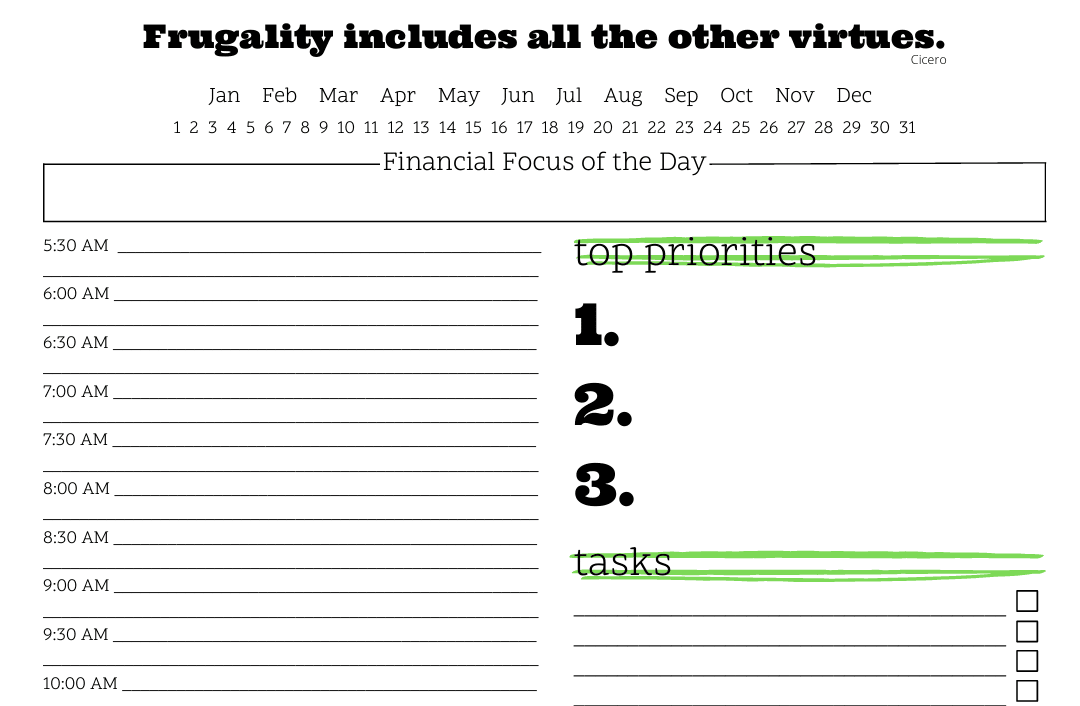
Subscribe to get a free daily budget planner printable to help get your money on track!
Make passive money the right way. No spam.
Editorial Disclaimer: The editorial content on this page is not provided by any of the companies mentioned. The opinions expressed here are the author's alone.
The content of this website is for informational purposes only and does not represent investment advice, or an offer or solicitation to buy or sell any security, investment, or product. Investors are encouraged to do their own due diligence, and, if necessary, consult professional advising before making any investment decisions. Investing involves a high degree of risk, and financial losses may occur including the potential loss of principal.
Source Citation References:
+ Inspo
There are no additional citations or references to note for this article at this time.