

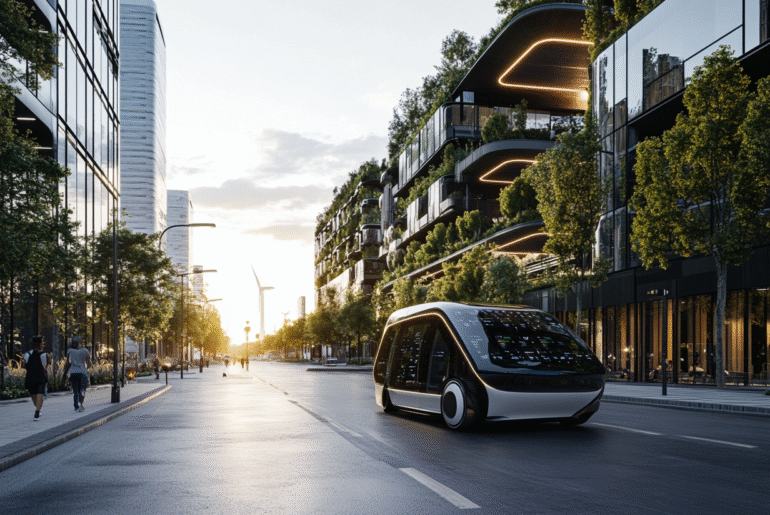
Smart technologies such as AI and IoT are transforming energy use and promoting efficient living. Renewable energy solutions, like solar power, offer eco-friendly alternatives that reduce carbon emissions. Everyday sustainable technologies encourage responsible habits and support environmental goals. The circular economy is growing by focusing on reducing waste and maximizing product lifespan. Digital

Taking breaks from screens supports emotional health, reduces stress, and improves sleep quality. Strategies include setting screen time limits, creating tech-free zones, and minimizing smartphone use. Excessive screen time can lead to financial waste via subscriptions, in-app purchases, and impulsive spending. Digital overload may cause eye strain, sleep disturbances, and elevated stress. Reducing
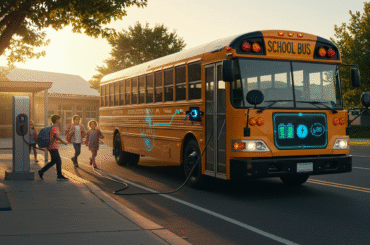
Electric School Buses Are Helping Create a Cleaner Future Electric school buses (ESBs) produce zero tailpipe emissions, reducing air pollution and improving student health. Nearly 5,000 ESBs are currently in use across 49 U.S. states. Benefits include reduced greenhouse gas emissions, absence of diesel fumes, and lower long-term maintenance costs. Federal initiatives, including the EPA’s
The Double Declining Balance (DDB) method helps reduce asset costs quickly in the early years of ownership. Businesses can report higher expenses upfront, aiding in cash flow management and tax savings. DDB accelerates depreciation more rapidly than methods like the straight-line approach. It is ideal for assets that depreciate quickly, such as electronics
Wide variety of styles including modern, art deco, geometric, and Japandi High-quality materials such as MDF, walnut, aluminum, and acrylic Functional options including open and closed backs, drawers, and rotating shelves Versatile dimensions: heights range from 19 to 80 inches; widths from 11 to 72 inches Prices range from $159 to $1,400 to