


This article may contain references to products or services from one or more of our advertisers or partners. We may receive compensation when you click on links to those products or services. Nonetheless, our opinions are our own.
The information presented in this article is accurate to the best of our knowledge at the time of publication. However, information is subject to change, and no guarantees are made about the continued accuracy or completeness of this content after its publication date.

One of the biggest financial decisions you’ll ever make is choosing where to live and how much of your paycheck to hand over for it each month. Rent has a way of quietly consuming more of your income than you planned. However, there is no one-size-fits-all answer. The amount of money you should invest in rent depends on your income, the area you live in, your lifestyle, and your financial goals.
If you spend too little on rent, you may have to compromise on something, such as location or safety. If you spend too much money on rent, there won’t be much left over for savings or emergencies. With that in mind, read along as this post explains why those benchmarks exist and how to decide what actually works for your specific income and lifestyle.
How Do Rent-to-Income Ratios Impact Approval
Approval Decisions
Landlords and property managers run the statistics when you apply for a rental; they don’t just look at your income. To determine whether you can afford the apartment, most use a rent-to-income ratio. The most common benchmark is that your gross monthly income should be at least three times the monthly rent. Reach out to your property manager in Austin if there are any other requirements beyond monthly income during screening.
Even if you have a strong credit score and a solid rental history, your application may be flagged if your rent-to-income ratio falls short. While some landlords are more lenient if you can put up a larger security deposit or provide a co-signer, others stick to their thresholds. Getting familiar with the ratio before applying saves you time and disappointment. It allows you to look for rentals within a realistic range and enter the process fully aware of your situation.
Late Payments
The rent-to-income ratio significantly influences whether landlords accept or reject an applicant. This ratio is considered to be one of the fastest filters used today by most property owners and managers. You can calculate your rent-to-income ratio if you are still weighing your options. Take note of the thresholds assigned during your application, as it might be rejected regardless of your credit score or recommendations.
The ratio affects your ability to pay rent on time. If your rent takes up too much of your income, a minor financial hiccup could cause you to be late on your payment. Late rent payments not only incur various fees but also damage your rental history.
Turnover
Landlords also think about turnover. When tenants’ finances are stretched, they are more likely to break leases, fall behind on payments, or leave as soon as a cheaper option becomes available. This spells expenses for everyone. If your income comfortably covers your rent, you will not only be a better candidate but also more likely to remain in your unit. which works in your favor during renewals and negotiations.
What Percentage of Income Should Go to Rent?

One of the most well-known referenced guidelines is the 30% rule. This prescribes spending no more than 30% of one’s gross monthly salary on rent. This concept has been around for many decades and is still the benchmark most landlords and financial advisors reference.
However, that rule does have its limitations. If you earn a lower income, spending 30% may make it difficult for you to meet your basic needs. If you earn a high income, you could comfortably spend less and redirect more toward savings or investments.
A better approach is to work backwards from your actual expenses. See what is actually left over after adding up your non-negotiables, such as groceries, transportation, debt payments, and savings goals. The remaining amount provides a more accurate assessment of how much you can afford to pay in rent each month.
Voted "Best Overall Budgeting App" by Forbes and WSJ
Monarch Money helps you budget, track spending, set goals, and plan your financial future—all in one app.
Get 50% OFF your first year with code MONARCHVIP


How Do Lifestyle Choices and Debt Obligations Affect Affordability?
Income is just one element of your affordability puzzle. What you spend that income on and how much debt you carry can also determine how much rent you can realistically handle.
When determining financial stability, landlords will look at your total debt rather than just how much you earn. It’s important to look at your unique spending habits to find a rent that gives you peace of mind throughout the lease.
Lifestyle also matters more than people realize. As the tenant, it’s your responsibility to factor in your expenses, such as frequent dining out, gym memberships, subscriptions, and travel, which all add up, and if those are non-negotiables for you, your comfortable rent threshold is lower than the 30% rule suggests. The most important thing is to admit to yourself what your real expenditures are, rather than what you like to believe they are.
Tips for Tenants Trying to Stay Within Budget
Keeping your rent costs under control requires intention, but it can be done. The first thing you must do is track your actual monthly spending for 30 days prior to looking for apartments. You’ll quickly spot where your money is really going. If the rent in your ideal neighborhood exceeds your budget, you should consider getting a roommate or expanding your search by just a few miles.
It’s worth noting that negotiating rent is more common than you might think. Particularly in a slow rental market or when you’re renewing a lease. Don’t hesitate to ask. Finally, include a modest buffer in your budget. If rent is pushing your finances to the limit, one unexpected expense might throw everything out of balance.
Conclusion
Figuring out the right rent-to-income ratio is about understanding your full financial picture and making a decision you can sustain over the long term. The 30% rule is a useful starting point, but your debt, lifestyle, and goals all shape what “affordable” means to you.
Before signing any lease, run your real numbers, not the optimistic ones. When your rent fits comfortably within your budget, everything else becomes a little easier to manage, and that peace of mind is worth more than any apartment upgrade.

Reviewed and edited by Albert Fang.
See a typo or want to suggest an edit/revision to the content? Use the contact us form to provide feedback.
At FangWallet, we value editorial integrity and open collaboration in curating quality content for readers to enjoy. Much appreciated for the assist.
Did you like our article and find it insightful? We encourage sharing the article link with family and friends to benefit as well - better yet, sharing on social media. Thank you for the support! 🍉
Article Title: What Percentage of Income Should Go to Rent?
https://fangwallet.com/2026/08/27/what-percentage-of-income-should-go-to-rent/The FangWallet Promise
FangWallet is an editorially independent resource - founded on breaking down challenging financial concepts for anyone to understand since 2014. While we adhere to editorial integrity, note that this post may contain references to products from our partners.
The FangWallet promise is always to have your best interest in mind and be transparent and honest about the financial picture.
Become an Insider
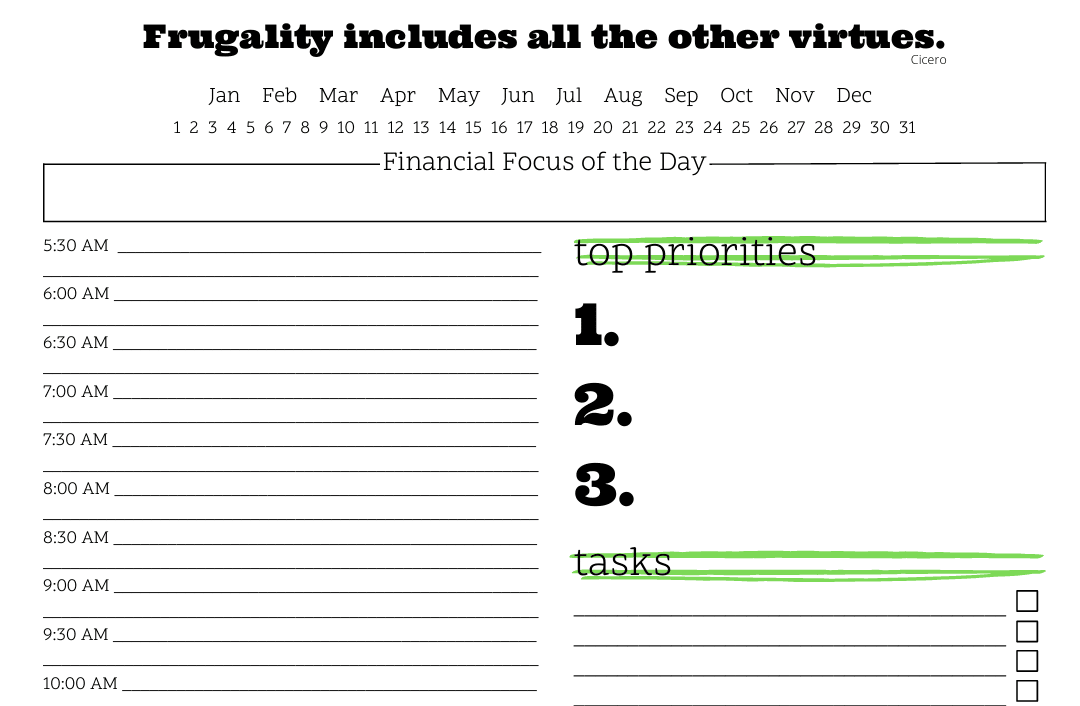
Subscribe to get a free daily budget planner printable to help get your money on track!
Make passive money the right way. No spam.
Editorial Disclaimer: The editorial content on this page is not provided by any of the companies mentioned. The opinions expressed here are the author's alone.
The content of this website is for informational purposes only and does not represent investment advice, or an offer or solicitation to buy or sell any security, investment, or product. Investors are encouraged to do their own due diligence, and, if necessary, consult professional advising before making any investment decisions. Investing involves a high degree of risk, and financial losses may occur including the potential loss of principal.
Source Citation References:
+ Inspo
There are no additional citations or references to note for this article at this time.