


This article may contain references to products or services from one or more of our advertisers or partners. We may receive compensation when you click on links to those products or services. Nonetheless, our opinions are our own.
The information presented in this article is accurate to the best of our knowledge at the time of publication. However, information is subject to change, and no guarantees are made about the continued accuracy or completeness of this content after its publication date.

The letter looks official. It turns up somewhere between four months and a year after a death, addressed to the next of kin, and it says the sender has identified unclaimed assets belonging to the estate. There is a form to sign. The fee is a cut of whatever gets recovered.
It is not a scam. There is very likely money, and these firms do recover it.
The part the letter skips over is where the information came from. Somebody typed a dead person’s name into a database that anyone can search, for free, in about the time it takes to make coffee. Life insurance turns up in these letters more than almost any other asset, because a death benefit just sits there unless a living person knows to go ask for it.
Where Those Letters Come From
The trade calls itself asset location, or heir finding. Some firms prefer unclaimed property recovery, which sounds more like a service. The work is identical whichever name is on the letterhead. They watch the rolls of abandoned property that every state is required to publish, run names against obituaries and probate filings, and get a letter in the mail ahead of the state’s own notice.
None of that takes special access. The rolls are public because the law says they have to be.
Put a number on it. Say $40,000 in death benefit went to the state because the insurer knew the policyholder had died but could not find the beneficiary. A ten percent cut is $4,000. The labor behind that $4,000 was a name typed into a search box.
States worked this out a long time ago, which is why finders are regulated in most of them. Pennsylvania requires certification through the Treasury before a finder can operate at all, and caps the fee at 15 percent of the amount claimed. The Treasury’s page for finders also tells consumers, without much diplomacy about it, that they can claim their funds themselves at no charge and that Treasury staff will walk them through it.
Vermont sets its cap at 10 percent, makes finders post a bond of at least $10,000, and voids any fee agreement signed before the property has been sitting with the Treasurer for two years.
The two-year rule is the one worth thinking about. It hands the state first crack at getting the money back to whoever owns it, and only once that window has closed can anyone charge for doing the same job. Rules like that do not get written unless somebody was getting there first.
The Free National Search
For life insurance, start with the Life Insurance Policy Locator. The National Association of Insurance Commissioners has run it since November 2016 and it costs nothing to use.
What you need is the deceased person’s Social Security number, legal name, date of birth, and date of death, all of which are on the death certificate. That goes into an encrypted portal. Participating insurers check it against their own books, and if one of them finds a policy naming you as beneficiary, that company gets in touch directly.
The thing works. Through August 31, 2025, the NAIC reported more than $13 billion in matched benefits across more than 611,000 policies and annuity contracts, out of more than 1.17 million requests.
Those last two numbers are worth a second look, since most write-ups quote the billions and stop there. Six hundred eleven thousand matches out of 1.17 million requests comes to about one match per two requests filed. A single request can also surface more than one policy, which pushes the number of families who actually got something back lower still. Plenty of people file the thing correctly and never hear a word.
Three practical notes before you send it in:
- Searches may take 90 business days or more, which is about four months on a calendar.
- If no insurer reports a match, nobody writes to tell you. Silence is the answer.
- It looks only for people who have died. NAIC states plainly that the tool will not locate benefits for anyone who is alive.
File it anyway. Just do not treat those four months as waiting time.
State Unclaimed Property Is a Separate System
People run these two things together and they are not the same.
The NAIC locator asks insurers to go look for a policy. State unclaimed property is the downstream version of the story: the insurer already knew the person died, could not find whoever was supposed to be paid, held the money for a statutory period, and eventually handed it over to the state. Once that transfer happens the insurer is done, and no locator search will turn it up.
MissingMoney.com covers 49 states in a single search and is the site state treasurers endorse. Hawaii keeps its own. Searching is free everywhere, and NAUPA, which is the association of the state programs themselves, puts it in plain language: it is always free to search for and claim your missing money through official state government programs.
Most searches that come back empty are spelling problems rather than proof of nothing. Run the maiden name, which catches a lot of women who bought coverage before they married. Run the nickname and the legal name both, so Bill and William, Peggy and Margaret. Try it with the middle initial and without. And run every state the person ever lived in, not just the last one, because property gets reported from wherever the company sat, not wherever the owner ended up.
The Part No Database Does for You
Here the free tools run out and somebody has to start making phone calls. It is also where most families end up finding the thing.
Coverage Through a Job
The most overlooked category by a wide margin, and the reason is that it never felt like insurance to the person who had it. Employers commonly hand out coverage worth one or two times salary at no cost to the employee, who filled out nothing and told nobody at home.
Call the HR or benefits department at every employer the person worked for. Decades back is not too far. On old pay stubs the codes to look for are GTL, which is group term life, and anything reading voluntary life.
While you have HR on the phone, ask whether the coverage got converted when the person left. Departing employees generally have 31 days to turn group coverage into an individual policy. A converted policy is an individual contract, which means it can outlive the job by forty years and will never show up in any employer’s records.
Military Coverage
Servicemembers’ Group Life Insurance, Veterans’ Group Life Insurance, and older programs like National Service Life Insurance from the World War II era all run through the Department of Veterans Affairs rather than the commercial market. Do not count on a commercial database turning them up. That one is a phone call to the VA.
The Paper Trail, and the Company That Changed Its Name
Old tax returns are better evidence than most people expect. A Form 1099-R shows distributions from an insurance or annuity contract. A 1099-INT can show interest credited on a cash value policy. Bank statements will show premiums going out to a company whose name you can then look up. Mail is useful for longer than people assume, since premium notices, annual statements and dividend checks keep arriving for a year or more after a death.
Then there is the thing that stops people cold. You find the policy, you call the number printed on it, and the company is gone. Insurers merge and get bought constantly, and when that happens the obligation to pay a claim travels with the policy to whoever took over the book. If the insurer actually failed rather than merged, a state guaranty association assumes the claim instead, subject to the coverage limits written into that state’s law. The money does not disappear because the letterhead did. Working out which company owns the obligation now is what takes the time. If you want the longer version of all of this, there is the longer list of places a policy hides, including how to trace a policy through a chain of company name changes.
The One Search Worth Paying For
There is one fee in this whole area that makes sense, and it is not a percentage.
MIB keeps a database of life insurance application activity going back to 1996, contributed by its member companies, which is most life insurers in North America. Its Policy Locator Service searches those records for applications submitted by a specific person who has died. An application is obviously not a policy. But it tells you which company to call, and for most families that is the missing piece.
Read MIB’s own FAQ before paying, because the terms are specific. The fee is flat, and it does not come back if the search finds nothing. Each deceased person needs a separate application and a separate fee. Results arrive by mail, usually inside 21 business days, and what shows up is a list of company names with application dates and contact information rather than a policy document or a beneficiary designation.
MIB is also more upfront about the gaps than most vendors bother to be. The service does not cover employer-sponsored group life, policies issued before 1996, insurers that are not MIB members, small face amounts, or military guaranteed-issue coverage, and it searches only for people who have died.
That distinction is the one to hold onto. A flat fee for a private database you have no other way to reach buys you something real. A percentage of your own recovered money, for a search you could have run yourself in a browser tab, does not.
If the Policy Is Still Active
Sometimes there is no death involved at all. You are helping a parent sort out a filing cabinet and up comes a policy nobody has looked at in years, still in force, still taking money every month, and no longer doing whatever it was bought to do back in 1994.
That is a different problem, and it has more options than most people know about. Letting it lapse produces nothing. Surrendering it returns the cash value, which on a contract that old usually sits far below the death benefit printed on page one. The policy can also be sold, and selling the policy instead of surrendering it is a real market with its own rules about who qualifies. Brokerages such as Citizens Life Group work that sale as an auction, collecting bids from institutional buyers rather than taking whatever the first one offers. Individual results vary. Some policies do not qualify at all.
The letter that started all this was not wrong about the money being there. It was wrong about who had to do the work to get it. The databases are open, the searches cost nothing, and what usually keeps a family from an unclaimed death benefit is not a fee. It is that nobody ever typed the name in.
Voted "Best Overall Budgeting App" by Forbes and WSJ
Monarch Money helps you budget, track spending, set goals, and plan your financial future—all in one app.
Get 50% OFF your first year with code MONARCHVIP


Recommended Reads
- Ways to Building Quality Links in 2023: Tips and Tricks Small Business
- Top Link Building Services: Best Finance Link Building SEO Agencies Reviews
- SoFi vs Wealthfront: Which is Better? Banking
- Poppins Payroll vs SurePayroll Review Comparison (2025-2026): Pros and Cons Reviews
- How to Find the Cheapest Flights: CheapOair vs Skyscanner Travel
- Digital Marketing and Social Media Marketing: How to Use Both for Success Business
- Lemonade vs GEICO: Which Renters Insurance is Best? Insurance
- The Definitive Guide to Cloud Based Accounting Solutions Beginner's Guides
- How to Launch a Business Blog: A Step-by-Step Guide Small Business
- How to Decide Between SoFi vs Acorns for Investing Investing

Reviewed and edited by Albert Fang.
See a typo or want to suggest an edit/revision to the content? Use the contact us form to provide feedback.
At FangWallet, we value editorial integrity and open collaboration in curating quality content for readers to enjoy. Much appreciated for the assist.
Did you like our article and find it insightful? We encourage sharing the article link with family and friends to benefit as well - better yet, sharing on social media. Thank you for the support! 🍉
Article Title: How to Find Unclaimed Life Insurance Without Paying a Percentage
https://fangwallet.com/2026/08/30/how-to-find-unclaimed-life-insurance-without-paying-a-percentage/The FangWallet Promise
FangWallet is an editorially independent resource - founded on breaking down challenging financial concepts for anyone to understand since 2014. While we adhere to editorial integrity, note that this post may contain references to products from our partners.
The FangWallet promise is always to have your best interest in mind and be transparent and honest about the financial picture.
Become an Insider
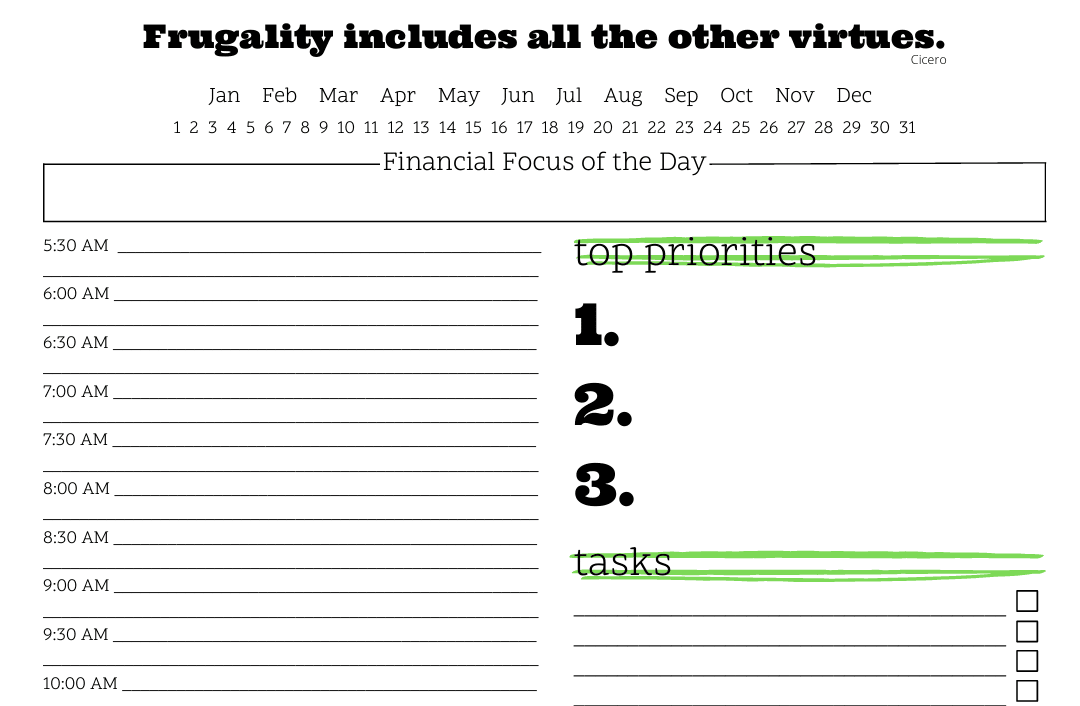
Subscribe to get a free daily budget planner printable to help get your money on track!
Make passive money the right way. No spam.
Editorial Disclaimer: The editorial content on this page is not provided by any of the companies mentioned. The opinions expressed here are the author's alone.
The content of this website is for informational purposes only and does not represent investment advice, or an offer or solicitation to buy or sell any security, investment, or product. Investors are encouraged to do their own due diligence, and, if necessary, consult professional advising before making any investment decisions. Investing involves a high degree of risk, and financial losses may occur including the potential loss of principal.
Source Citation References:
+ Inspo
There are no additional citations or references to note for this article at this time.