


This article may contain references to products or services from one or more of our advertisers or partners. We may receive compensation when you click on links to those products or services. Nonetheless, our opinions are our own.
The information presented in this article is accurate to the best of our knowledge at the time of publication. However, information is subject to change, and no guarantees are made about the continued accuracy or completeness of this content after its publication date.

Anyone who has submitted an HSA or FSA claim knows the moment. The administrator asks for documentation, and suddenly you are searching the car, the kitchen drawer, and three email accounts for a receipt from a visit you only half remember. The money is yours. Getting it back just depends on paperwork you did not think to keep.
A little knowledge about what administrators look for, plus one simple habit, makes the whole process far easier.
The five things every request needs
Most HSA and FSA administrators want the same basic details to approve a claim or support a reimbursement. First, the date the service or purchase happened. Second, the name of the provider or merchant. Third, a description of what was bought or what service was provided. Fourth, the amount you actually paid, after insurance. Fifth, who the expense was for, especially if more than one person in the household is covered.
A credit card slip usually fails that test because it shows an amount and a merchant but not what was purchased. An itemized receipt or an explanation of benefits from your insurer typically covers it. The Brainbrook team has a clear breakdown of what a reimbursement request needs that is worth reading before your next claim.
It also helps to keep the explanation of benefits alongside the receipt when insurance was involved. The receipt proves what you paid. The explanation of benefits proves what insurance covered and what was left as your responsibility, which is the amount that actually qualifies for reimbursement.
The household problem
For a single person, keeping receipts is manageable. For a household, it gets complicated fast. One parent picks up a prescription. The other takes a child to the dentist. A teenager buys contact lenses. Each receipt ends up with whoever paid, and nobody has the full picture.
This is where a shared record helps. Brainbrook is an HSA and FSA receipt ledger that puts the whole household on one list. On the Plus plan, up to six people share a ledger. Adults can sign in, add receipts, and view everything, while kids appear by name only, so their receipts can be tagged to them without giving them an account.
Voted "Best Overall Budgeting App" by Forbes and WSJ
Monarch Money helps you budget, track spending, set goals, and plan your financial future—all in one app.
Get 50% OFF your first year with code MONARCHVIP


How the ledger works day to day
The process is designed to take seconds. You photograph the receipt when you pay, and the date and total fill in for you to check. You tag it HSA or FSA, pick who it was for, and mark it owed back. The tag records which account you mean to claim from. It does not file anything on your behalf.
At the top sits one number: what you are still owed back, with this year’s kept and reimbursed totals underneath. Older receipts stay on the ledger, grouped by year, so a receipt from a previous plan year still counts until you mark it reimbursed. The full walkthrough of how it works shows the three steps: snap, tag, and see.
Starting with the backlog
Most households come to a tool like this with a pile already waiting. Brainbrook has a practice page called Empty the Shoebox that lets you sort sample receipts by tag and year and watch the total build. At the end, it tells you whether the free plan or Plus fits the household you describe, based on how many people you cover and how many receipts you expect a year.
Plans and pricing
The free plan covers one person with up to 30 receipts per plan year, plus reminders for the dates you enter. Plus covers the whole household for $4 a month or $36 a year. Details are on the Brainbrook pricing page.
The takeaway
A reimbursement request is only as good as the documentation behind it. Know the five details administrators look for, capture receipts when you get them, and keep them in one place the whole household can reach. That turns claim time from a search into a quick look at a list.

Reviewed and edited by Albert Fang.
See a typo or want to suggest an edit/revision to the content? Use the contact us form to provide feedback.
At FangWallet, we value editorial integrity and open collaboration in curating quality content for readers to enjoy. Much appreciated for the assist.
Did you like our article and find it insightful? We encourage sharing the article link with family and friends to benefit as well - better yet, sharing on social media. Thank you for the support! 🍉
Article Title: What a Reimbursement Request Actually Needs, and How to Stop Hunting for It
https://fangwallet.com/2026/10/06/what-a-reimbursement-request-actually-needs/The FangWallet Promise
FangWallet is an editorially independent resource - founded on breaking down challenging financial concepts for anyone to understand since 2014. While we adhere to editorial integrity, note that this post may contain references to products from our partners.
The FangWallet promise is always to have your best interest in mind and be transparent and honest about the financial picture.
Become an Insider
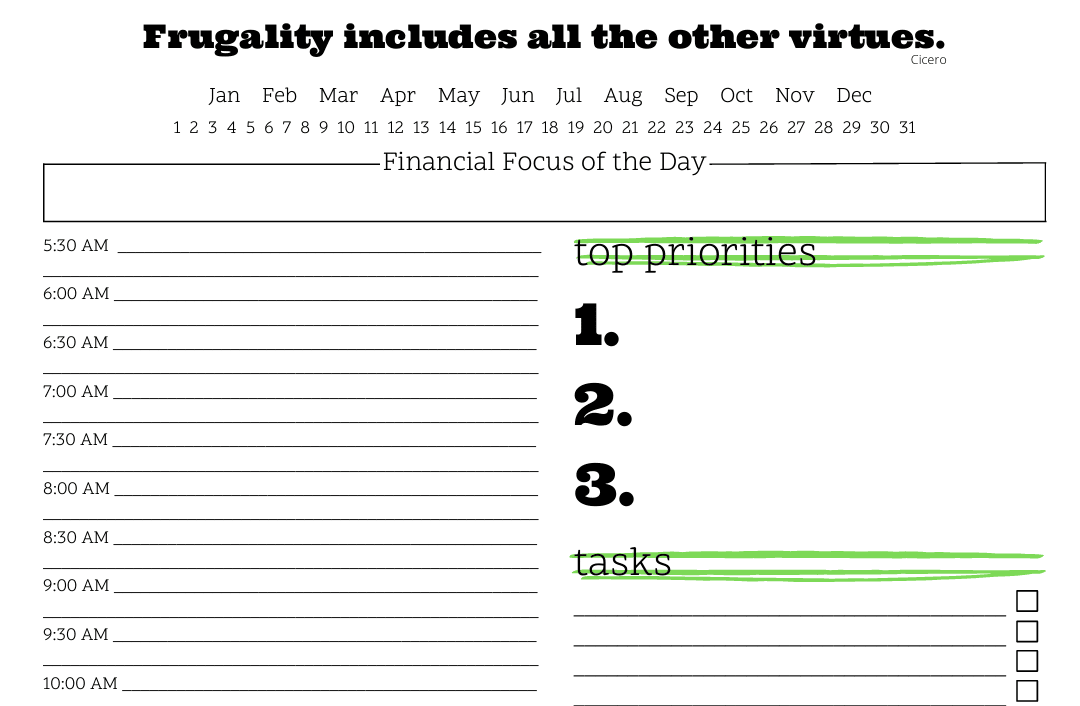
Subscribe to get a free daily budget planner printable to help get your money on track!
Make passive money the right way. No spam.
Editorial Disclaimer: The editorial content on this page is not provided by any of the companies mentioned. The opinions expressed here are the author's alone.
The content of this website is for informational purposes only and does not represent investment advice, or an offer or solicitation to buy or sell any security, investment, or product. Investors are encouraged to do their own due diligence, and, if necessary, consult professional advising before making any investment decisions. Investing involves a high degree of risk, and financial losses may occur including the potential loss of principal.
Source Citation References:
+ Inspo
There are no additional citations or references to note for this article at this time.