


This article may contain references to products or services from one or more of our advertisers or partners. We may receive compensation when you click on links to those products or services. Nonetheless, our opinions are our own.
The information presented in this article is accurate to the best of our knowledge at the time of publication. However, information is subject to change, and no guarantees are made about the continued accuracy or completeness of this content after its publication date.

People quit budgeting and then apologize for it. They say they were not disciplined enough, or they got busy, or they fell off and never climbed back on.
Usually the categories did it.
Why Twelve Categories Is Worse Than Four
A long list looks like rigor. Groceries separate from dining out, dining out separate from coffee, coffee separate from the work lunches you sometimes expense. It feels like you are taking the thing seriously.
What you have actually done is attach a decision to every transaction. Not a big decision, but one that has to be made, and made correctly, every single time. Twenty transactions in a week is twenty small judgments. Most of them are obvious. A few are not, and the few that are not are what kill the system.
Because here is what happens with the ambiguous ones. You buy a coffee while working at a client’s office. Is that food? Is that a business cost? You genuinely do not know, and you are standing on a sidewalk, so you decide to sort it later. Later never happens. Now there is a gap in the record, and a record with gaps is a record you stop trusting. A week after you stop trusting it, you stop opening it.
The failure did not start with willpower. It started the day you created two categories that a real purchase could plausibly belong to.
What a Category Has to Earn
A category deserves to exist if it passes two tests, and most of the ones people create pass neither.
First, it has to be unambiguous. You should never be standing in a shop wondering which of two buckets something belongs in. If you can construct a plausible argument for either, merge them.
Second, it has to correspond to a genuinely different kind of claim on the money. This is the one people miss. Splitting your spending into finer and finer slices of the same underlying thing adds work and tells you nothing new. The useful divisions are between money that is owed to someone else, money that is the cost of doing the work, money you are deliberately not spending, and money that is actually yours.
Those are four different things. Not four flavors of one thing. Four.
Voted "Best Overall Budgeting App" by Forbes and WSJ
Monarch Money helps you budget, track spending, set goals, and plan your financial future—all in one app.
Get 50% OFF your first year with code MONARCHVIP


The Default Set, and Why It Is Short
Nilvo ships with taxes, gas and maintenance, savings, and personal. For someone earning irregular income from clients, gig apps or marketplaces, each of those is a structurally different claim.
Taxes is money that was never yours, sitting in your account because nobody withheld it. Gas and maintenance is the cost of producing the income in the first place, the part that makes a $600 job not actually a $600 job. Savings is money you are choosing to defer. Personal is what remains after the other three have taken what they are owed, and it is the only one of the four you can spend without consequences.
You log a payment, you assign the full amount across those categories, and you keep going until nothing is left unassigned. Nilvo calls that landing at zero. It is a completeness rule, and the reason it matters is that it makes “I will sort this later” structurally impossible. There is no undecided pile to defer into.
Nothing moves while you do this. Nilvo never holds your money, never connects to a bank account and never asks for a login. The money sits exactly where it was. What changes is that it now has labels, which is the difference between a balance and a plan.
When More Categories Actually Helps
None of this means four is a magic number or that nobody should ever add a fifth.
More categories earn their keep once a specific cost gets big enough to deserve its own line and unambiguous enough that you will never hesitate over it. A rideshare driver who starts tracking tolls separately from fuel has a real reason. Someone splitting “fun” into “fun at home” and “fun out of the house” does not, and will be back to not opening the app within a month.
Nilvo’s paid tier adds more categories along with saved templates for recurring income sources, and the template is the more interesting half. If the same platform pays you every Friday and the split is the same every Friday, you should not be making that decision weekly. You made it once. Let it repeat.
Start with the fewest categories that cover genuinely different claims. Add one only when a real cost forces it.
The system you keep using beats the system that was better designed and abandoned in March.

Reviewed and edited by Albert Fang.
See a typo or want to suggest an edit/revision to the content? Use the contact us form to provide feedback.
At FangWallet, we value editorial integrity and open collaboration in curating quality content for readers to enjoy. Much appreciated for the assist.
Did you like our article and find it insightful? We encourage sharing the article link with family and friends to benefit as well - better yet, sharing on social media. Thank you for the support! 🍉
Article Title: Your Categories Are Why Budgeting Keeps Failing. Nilvo Starts With Four.
https://fangwallet.com/2026/10/13/your-categories-are-why-budgeting-keeps-failing/The FangWallet Promise
FangWallet is an editorially independent resource - founded on breaking down challenging financial concepts for anyone to understand since 2014. While we adhere to editorial integrity, note that this post may contain references to products from our partners.
The FangWallet promise is always to have your best interest in mind and be transparent and honest about the financial picture.
Become an Insider
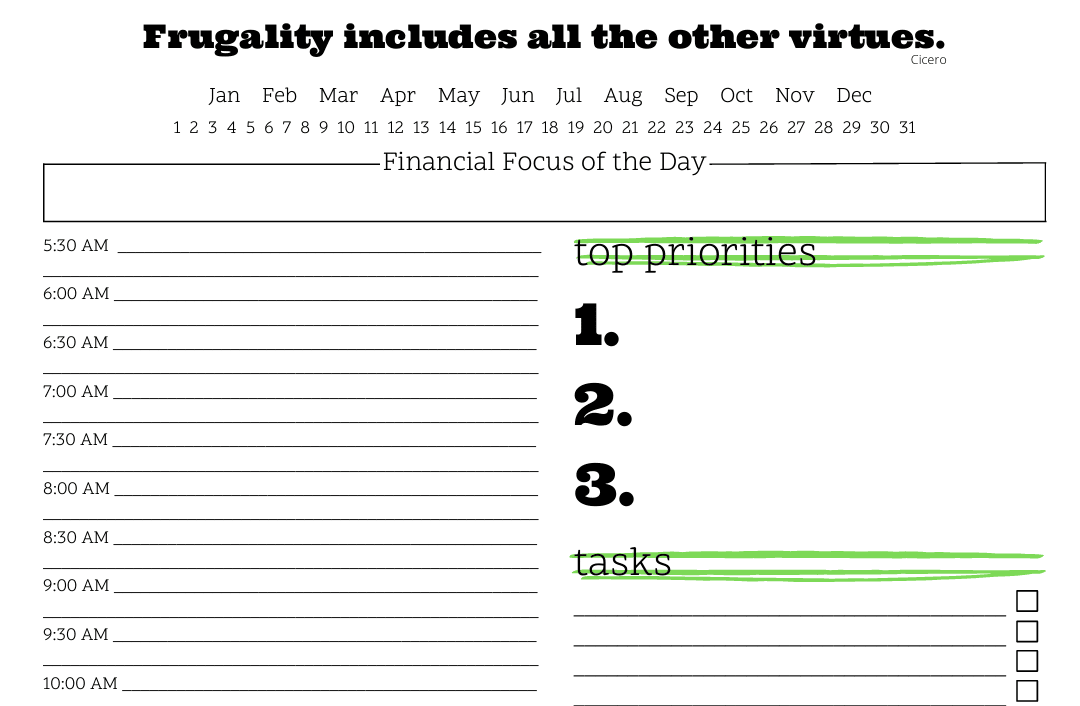
Subscribe to get a free daily budget planner printable to help get your money on track!
Make passive money the right way. No spam.
Editorial Disclaimer: The editorial content on this page is not provided by any of the companies mentioned. The opinions expressed here are the author's alone.
The content of this website is for informational purposes only and does not represent investment advice, or an offer or solicitation to buy or sell any security, investment, or product. Investors are encouraged to do their own due diligence, and, if necessary, consult professional advising before making any investment decisions. Investing involves a high degree of risk, and financial losses may occur including the potential loss of principal.
Source Citation References:
+ Inspo
There are no additional citations or references to note for this article at this time.