
This article may contain references to products or services from one or more of our advertisers or partners. We may receive compensation when you click on links to those products or services. Nonetheless, our opinions are our own.
The information presented in this article is accurate to the best of our knowledge at the time of publication. However, information is subject to change, and no guarantees are made about the continued accuracy or completeness of this content after its publication date.

You already budget your streaming apps by the month, not by the episode. You size up a gym membership by cost per visit, and you probably know, roughly, what an hour of your favorite hobby runs once you average out the gear and the fees. That per-hour habit is one of the most useful money instincts a person can build.
It applies to any paid form of entertainment, including a night at a casino table. The trick most players miss is that they watch the wrong meter, fixating on the outcome of the next hand instead of the running cost of the next hour. When platforms group their tables so you can play baccarat with crypto, Shuffle lists them by category with the stakes and pace visible up front, which is exactly the information a per-hour budget needs before you sit down.
None of this promises that careful budgeting beats the game. It does not. The house keeps a built-in mathematical edge on every wager, and no plan erases it. What a budget does is turn a fuzzy, open-ended risk into a fixed line item you can afford or walk away from.
Why the Per-Hand View Fools Your Brain
A single hand feels like a coin flip with a story attached. Win and you feel sharp. Lose and you feel due. Neither feeling has anything to do with the next result, because outcomes are independent and the odds do not remember what just happened.
The per-hand frame also hides the real number. One hand costs almost nothing in expected terms, so it feels free. Play for two hours and those tiny losses stack into a total that would have shocked you on a single bill. It is the same reason a daily habit purchase quietly outspends an annual insurance premium.
The Meter That Actually Runs
Here is the formula worth taping to your monitor. Your expected hourly cost is roughly your average bet, multiplied by the number of hands you play per hour, multiplied by the house edge. That is it. Three inputs, one honest number.
Two of those inputs are in your control. You set the stake, and you set the pace by choosing a slower table or taking breaks. The third, the house edge, is fixed by the rules of the bet you pick. Treat the result as the price of admission, the way you would treat a cover charge. If it fits your fun budget, you have a plan. If it does not, you have your answer before you lose a cent.
The Baccarat Numbers That Set Your Price
Baccarat is friendlier to this kind of budgeting than most table games because its main bets carry a low, well-documented edge. The Banker bet carries a house edge of about 1.06 percent, the Player bet about 1.24 percent, and the Tie bet is far worse and best left alone. You can read the history and rules of the game if you want the full picture, but for budgeting those three figures are what matter.
Notice what that low edge does to your meter. A small, steady Banker bet keeps the hourly cost modest, which is why disciplined players favor it. Chase the Tie for its flashy payout and you multiply the edge working against you, and your per-hour price climbs fast. The math is the boss here, and it does not negotiate.
Voted "Best Overall Budgeting App" by Forbes and WSJ
Monarch Money helps you budget, track spending, set goals, and plan your financial future—all in one app.
Get 50% OFF your first year with code MONARCHVIP


Crypto Changes the Cashier, Not the Odds
Settling a session in crypto changes how money moves in and out, not whether the house has an edge. On a crypto casino you deposit and withdraw on-chain, often in a stablecoin such as USDT, which is pegged to the US dollar. That can make funding fast and keep your accounting clean, since you can watch balances move in real units rather than waiting on a card statement.
What it does not change is the engine. Online game results are driven by an RNG, a random number generator, and the return to player, or RTP, is a long-run average baked into the rules. A stablecoin deposit and a dollar deposit face the identical edge. The one budgeting caution crypto adds is price movement: fund with a volatile coin instead of a stablecoin and your bankroll can drift on its own, so a stablecoin keeps your budget honest.
Two Ways to Frame the Same Session
| Per-Hand Thinking | Per-Hour Thinking |
|---|---|
| Focuses on the next result | Focuses on total expected cost |
| Feels random and emotional | Feels like a fixed line item |
| Ignores pace and session length | Prices in pace and time played |
| Encourages chasing losses | Encourages a hard stop-loss |
| No clear budget number | Produces one number you can approve |
Building the Budget Before You Sit Down
Start with a session bankroll you would be fine losing entirely, the same discretionary money you might spend on a concert. Decide your average bet so that the bankroll survives a realistic run of bad hands rather than three unlucky ones. Pick a bet with a low edge, set a time limit, and set a stop-loss and a walk-away win figure in advance. Our readers already run this drill for groceries and subscriptions, and the archive of budget tips is full of the same envelope logic applied elsewhere.
Then write the number down before you play, not after. A budget decided in advance is a decision. A budget decided mid-session is a rationalization.
Gambling involves risk. 18+. Play responsibly, and treat any money at a table as spent the moment you sit down.
FAQ
What does cost per hour actually mean at a baccarat table?
It is your average bet multiplied by hands played per hour multiplied by the house edge. It estimates what an hour of play is likely to cost you over the long run, so you can budget it like any other entertainment expense.
Is the Banker bet really the cheapest way to play?
Among the main bets, yes. The Banker edge sits near 1.06 percent, lower than the Player bet near 1.24 percent, and far below the Tie. A lower edge means a lower expected hourly cost at the same stake and pace.
Does paying in crypto give me better odds?
No. Crypto changes how deposits and withdrawals settle, not the house edge or the RNG behind the results. A stablecoin such as USDT keeps your bankroll steady, but the math of the game is unchanged.
How big should my session bankroll be?
Only as large as money you are genuinely fine losing in full. Size your average bet so the bankroll can absorb a normal losing streak, then set a stop-loss and a time limit before you start.
Can careful budgeting help me win?
Budgeting controls what you spend and how long you play, not whether you win. The house edge is built in and no system removes it. A budget makes the cost predictable and keeps the entertainment affordable.

Reviewed and edited by Albert Fang.
See a typo or want to suggest an edit/revision to the content? Use the contact us form to provide feedback.
At FangWallet, we value editorial integrity and open collaboration in curating quality content for readers to enjoy. Much appreciated for the assist.
Did you like our article and find it insightful? We encourage sharing the article link with family and friends to benefit as well - better yet, sharing on social media. Thank you for the support! 🍉
Article Title: Cost Per Hour, Not Per Hand: Budgeting Before You Play Baccarat With Crypto
https://fangwallet.com/2026/08/30/cost-per-hour-not-per-hand-budgeting-before-you-play-baccarat-with-crypto/The FangWallet Promise
FangWallet is an editorially independent resource - founded on breaking down challenging financial concepts for anyone to understand since 2014. While we adhere to editorial integrity, note that this post may contain references to products from our partners.
The FangWallet promise is always to have your best interest in mind and be transparent and honest about the financial picture.
Become an Insider
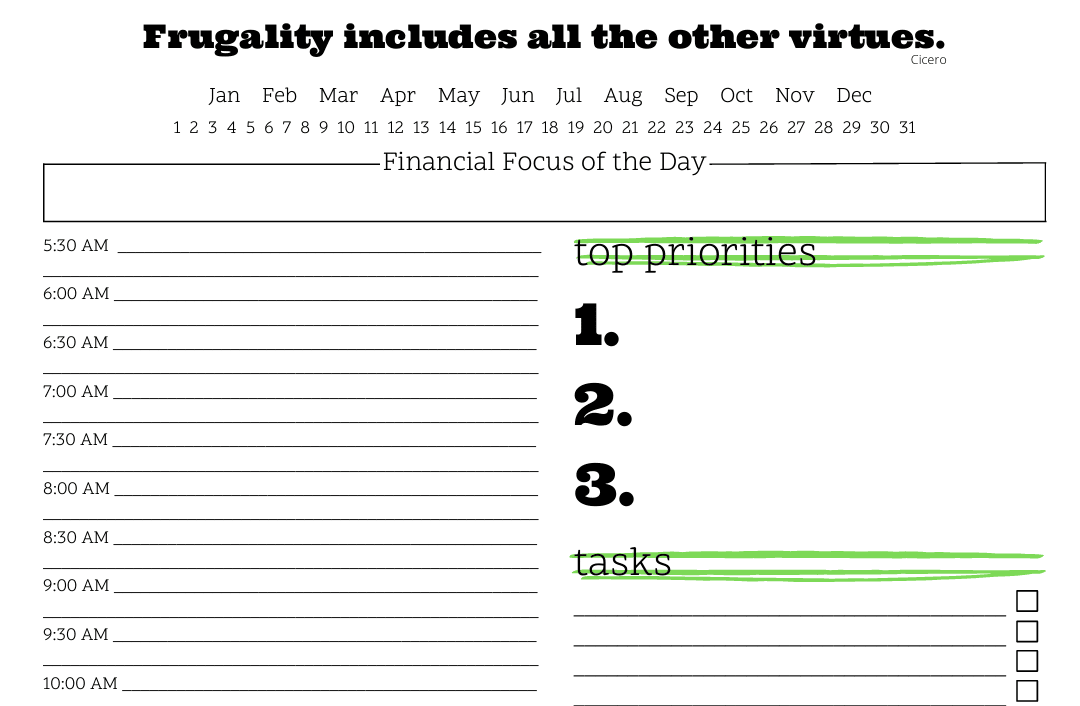
Subscribe to get a free daily budget planner printable to help get your money on track!
Make passive money the right way. No spam.
Editorial Disclaimer: The editorial content on this page is not provided by any of the companies mentioned. The opinions expressed here are the author's alone.
The content of this website is for informational purposes only and does not represent investment advice, or an offer or solicitation to buy or sell any security, investment, or product. Investors are encouraged to do their own due diligence, and, if necessary, consult professional advising before making any investment decisions. Investing involves a high degree of risk, and financial losses may occur including the potential loss of principal.
Source Citation References:
+ Inspo
There are no additional citations or references to note for this article at this time.